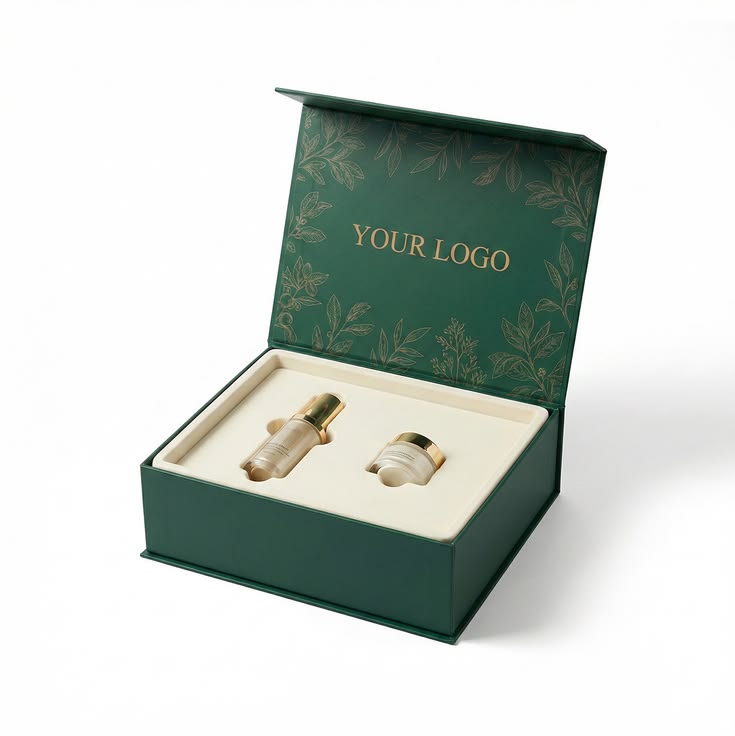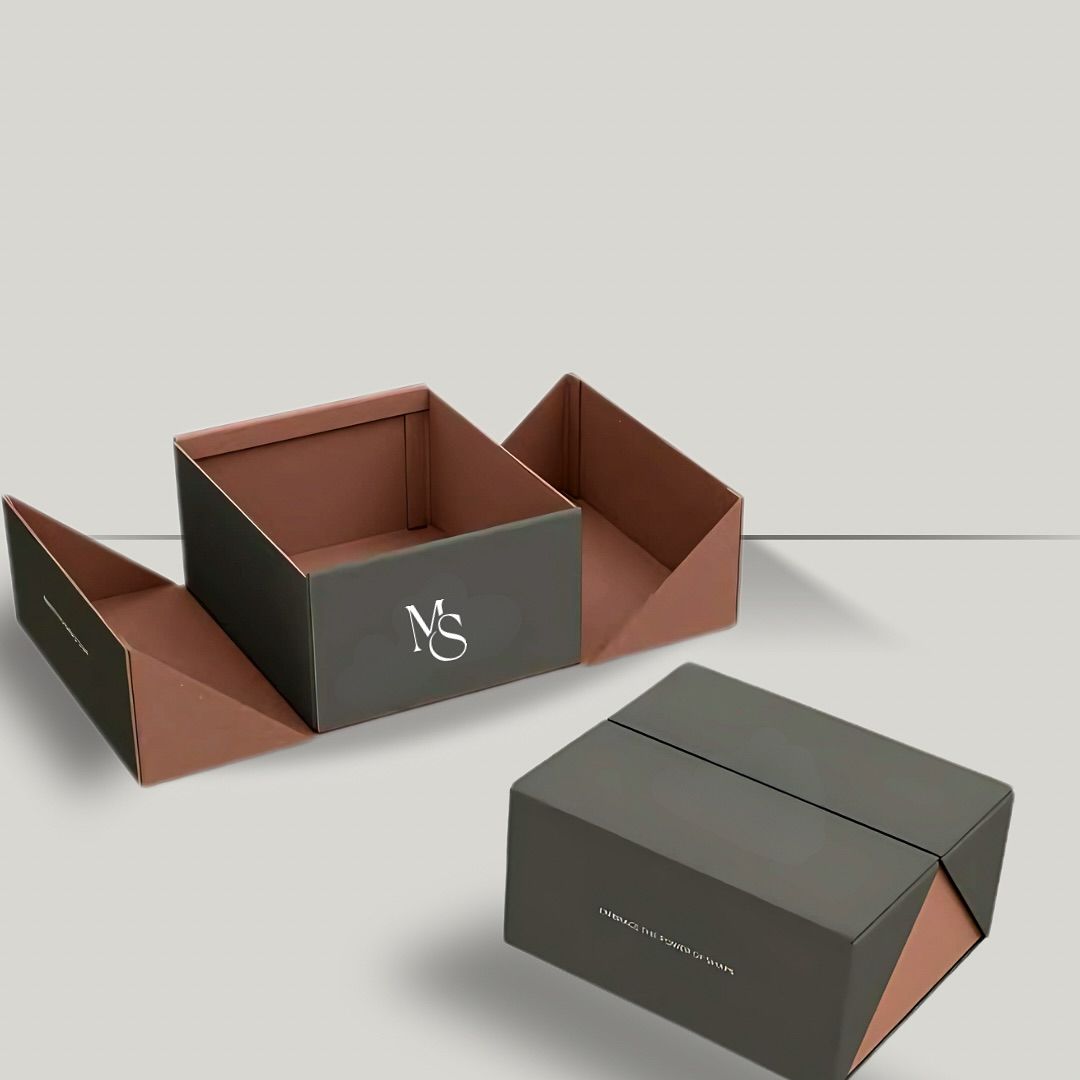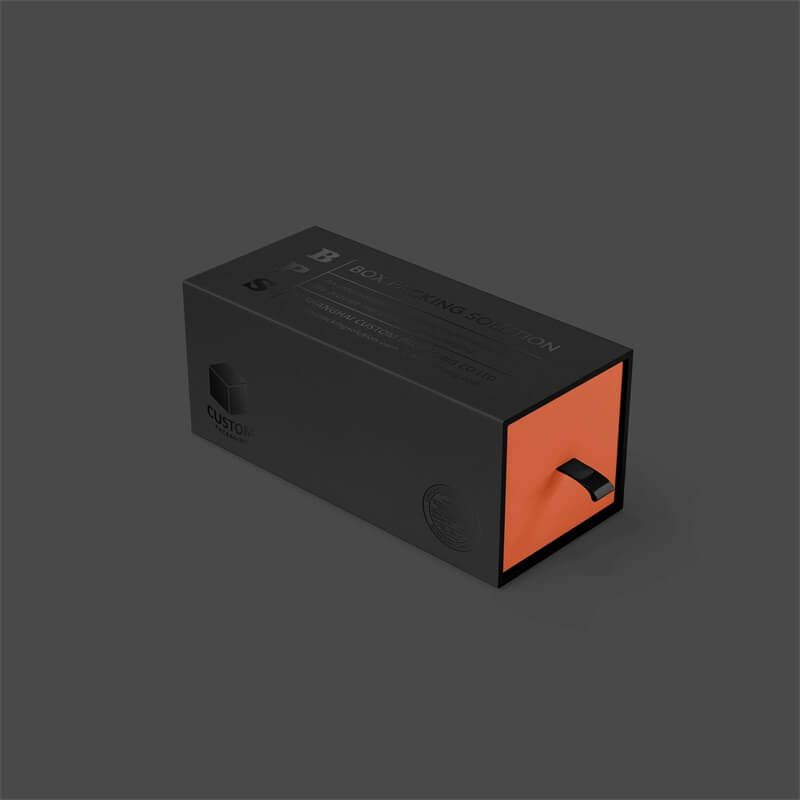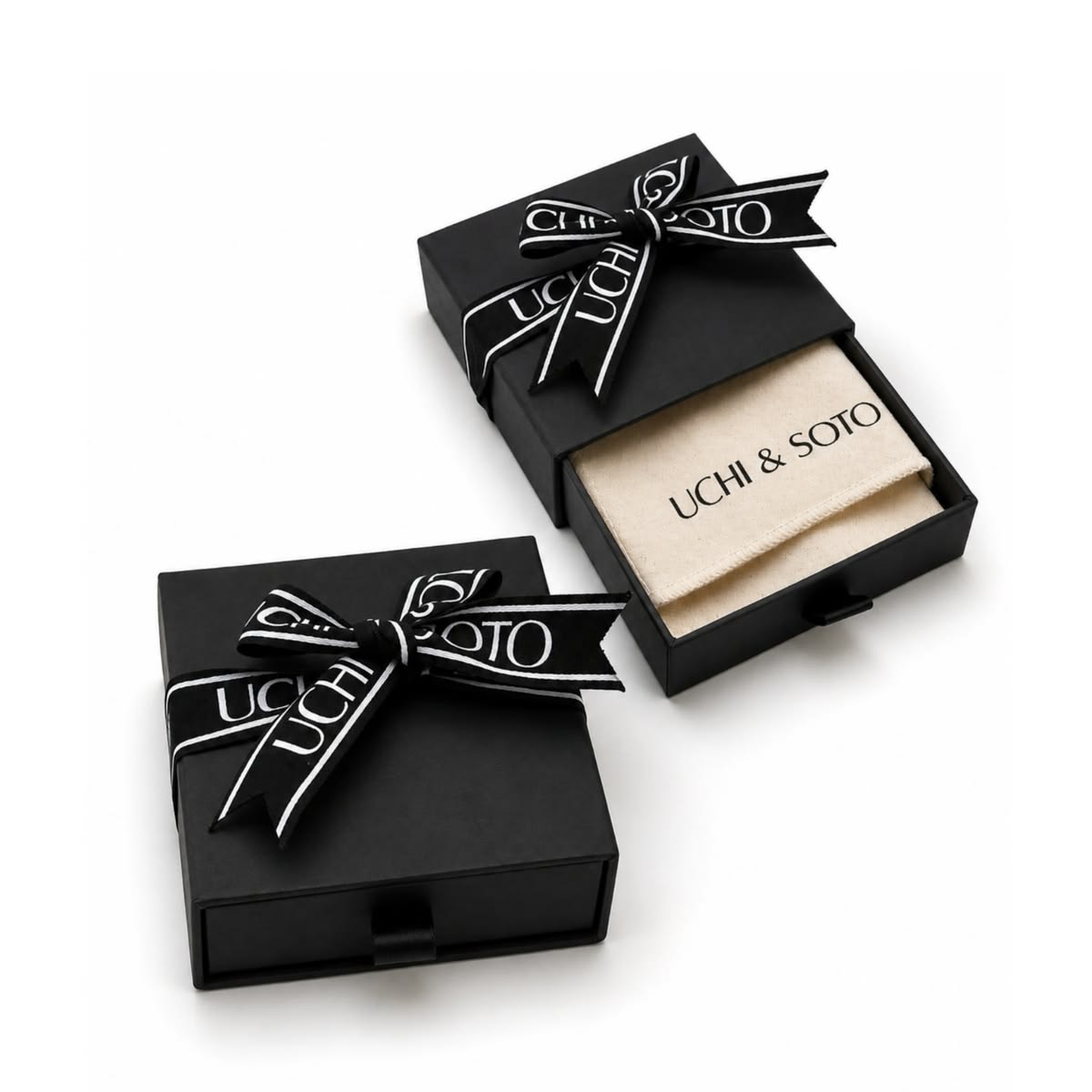


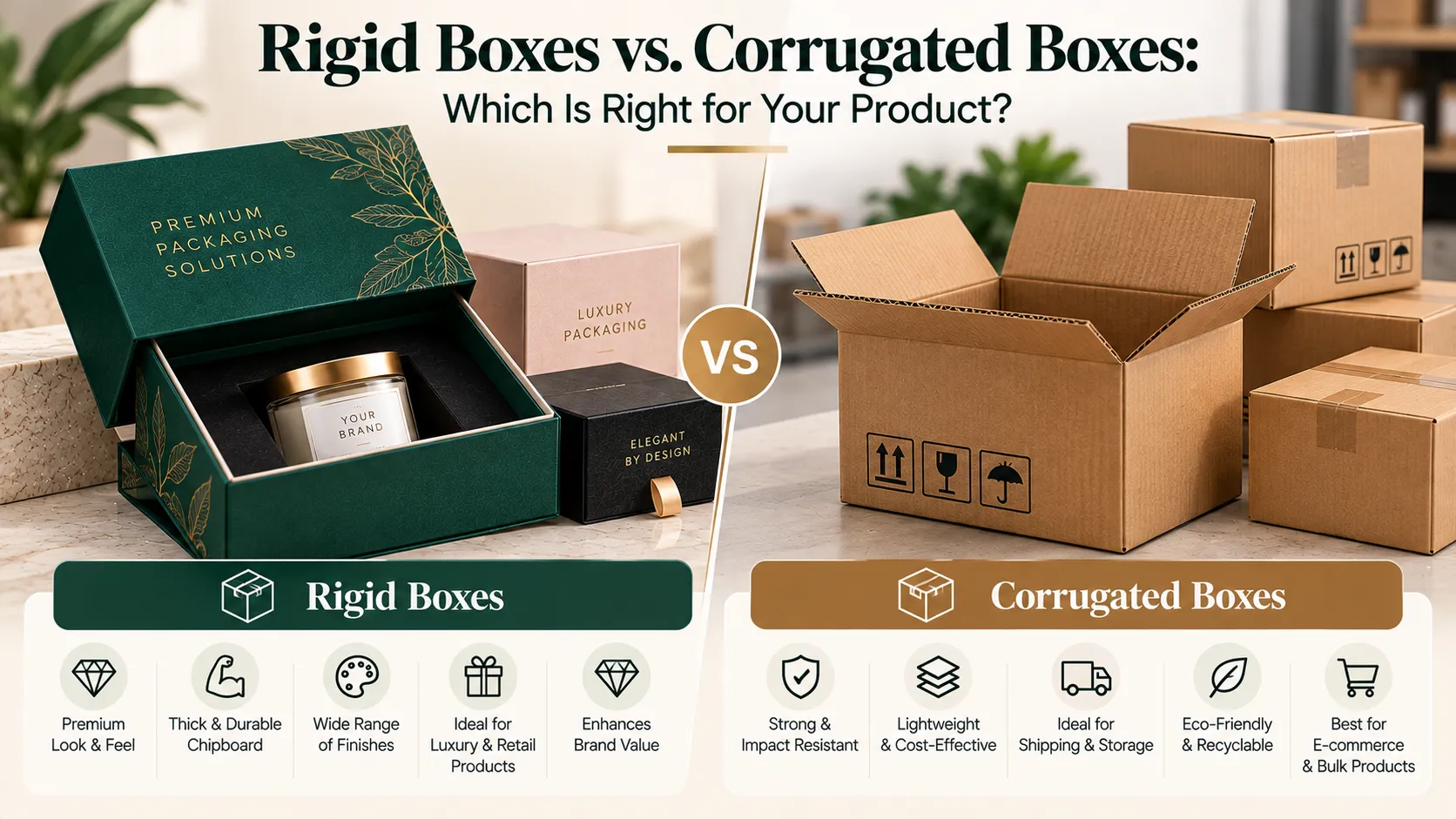








Rigid boxes are presentation packaging, and corrugated boxes are shipping packaging. A rigid box is built from thick, paper-wrapped board to make a product look and feel premium, while a corrugated box uses fluted board to carry products through warehouses, trucks, and mail carriers. When buyers compare “rigid boxes vs corrugated boxes,” the real question is which job the box needs to do. Often the answer is both.
Here is how each one is made and how brands use them together.
How Each Box Is Constructed
Rigid Boxes

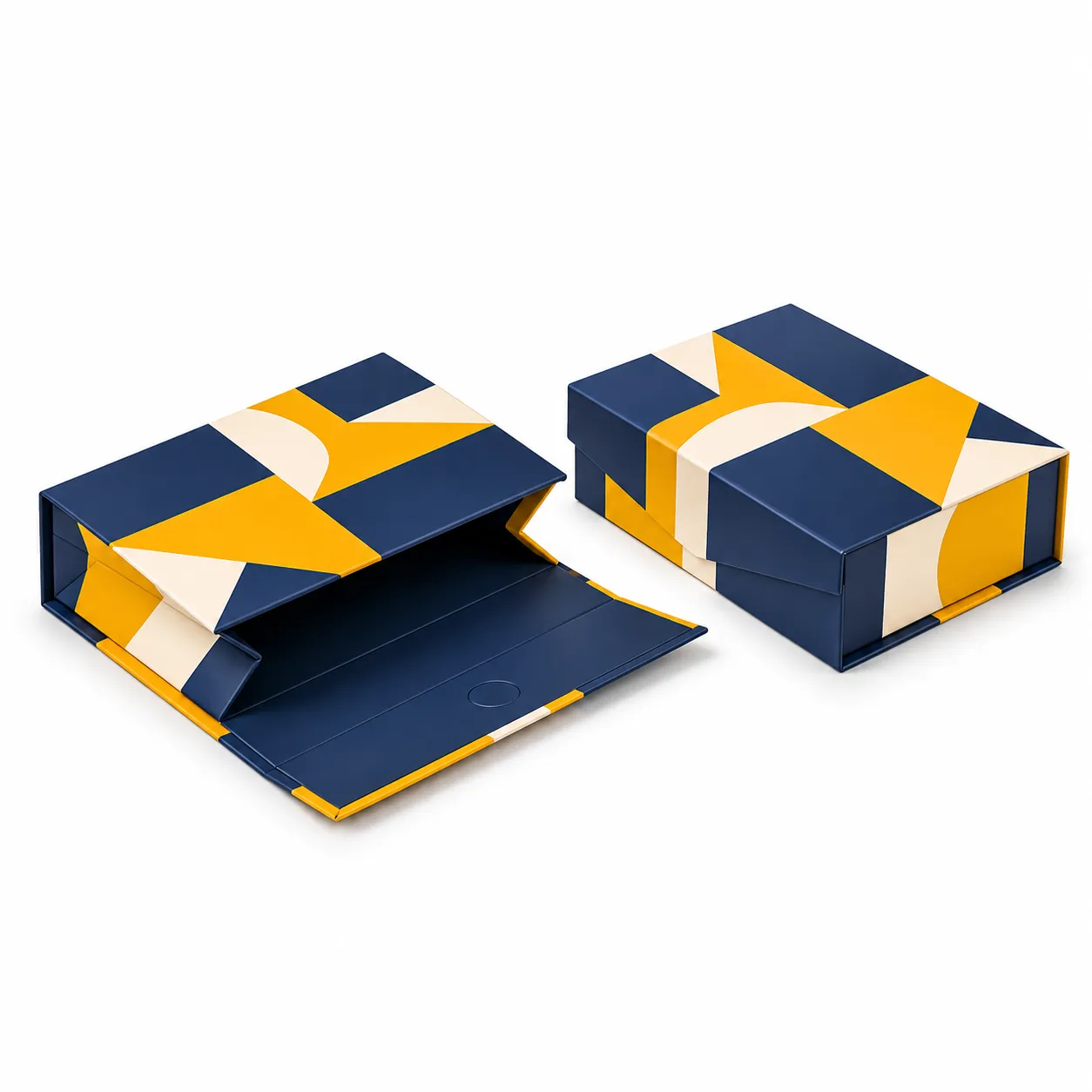
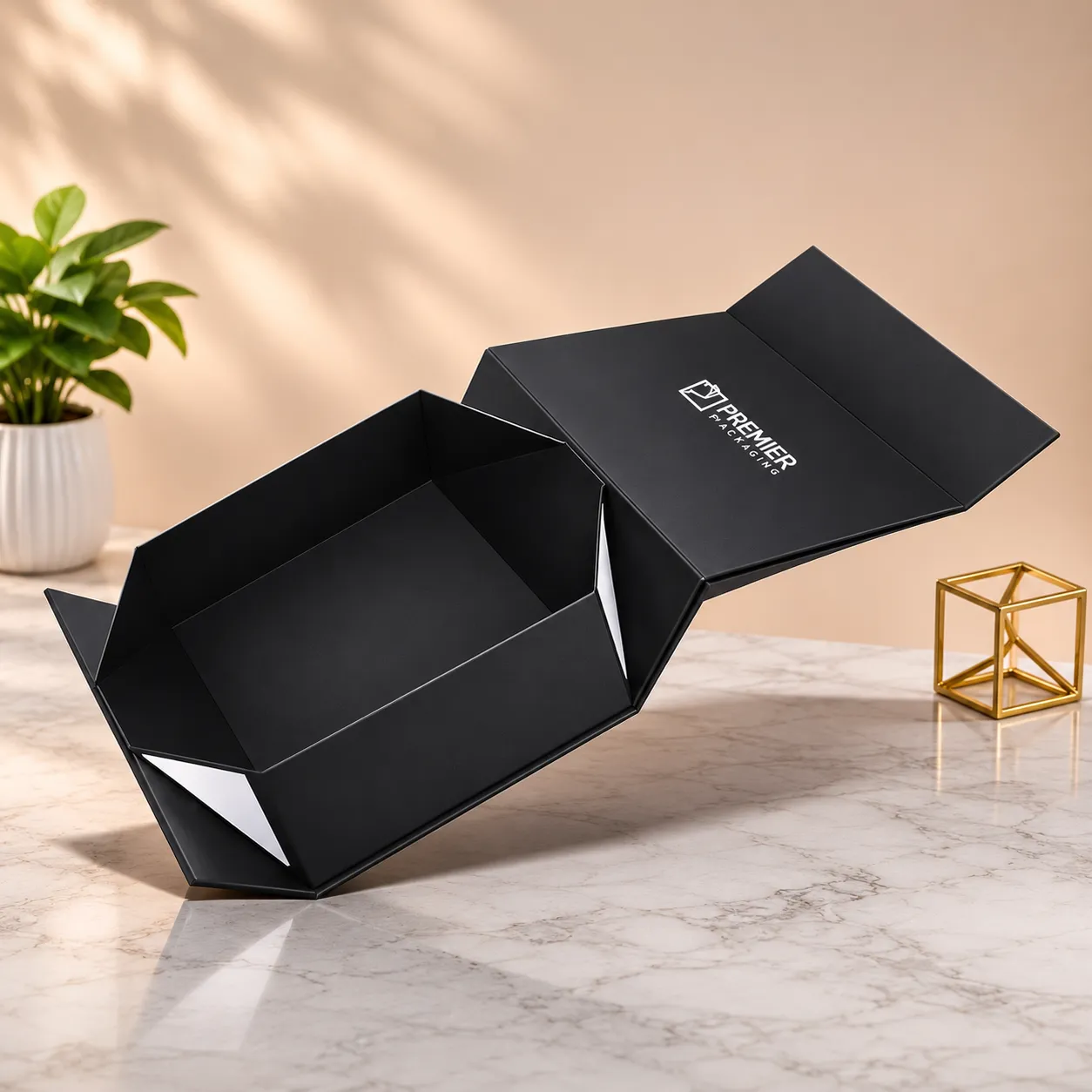
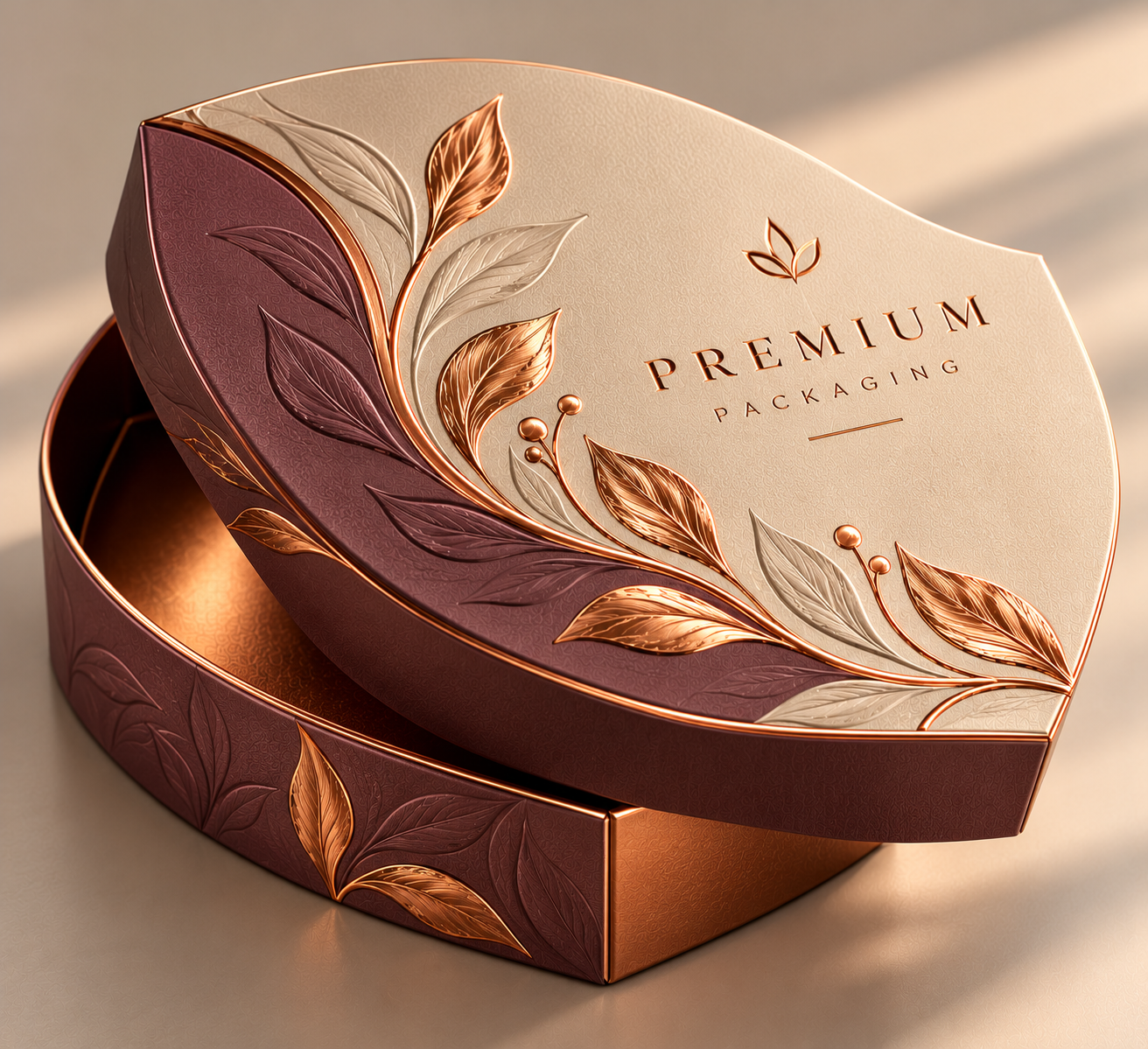
A rigid box is made from dense chipboard or greyboard. The board is cut into panels, formed into walls, and covered with a printed or specialty paper wrap that folds over every edge. It arrives at your facility fully assembled, with a lid, tray, drawer, or magnetic flap as part of the structure. For a step-by-step look at rigid box construction, see our guide to rigid packaging.
Corrugated Boxes

Corrugated packaging is made from layers of paper. A wavy inner layer, called the fluted medium, is glued between flat outer sheets called liners. The flutes create an air gap that adds stiffness without much added weight. Corrugated board is available in different flute and wall structures, ranging from small flutes for printed mailer boxes to heavy-duty double-wall boards for large items.
Most corrugated containers are shipped flat and then are folded and taped or tucked shut when packed.
Material Differences
The two boards behave differently. A rigid board is hard and dense, making it feel heavy and solid when you hold it in your hands. It can accept paper wrap easily. The corrugated board is light in weight for its thickness due to the air in its flutes. Its liner is brown or white kraft paper.
That difference shows up in printing and finishing. Rigid box wrap can get foil stamping, embossing, debossing, spot UV, and soft touch coatings on smooth or textured paper. The corrugated board can be printed on; and the white-lined mailer will be neat and branded. To learn more about the board grades, wraps, and linings, see rigid box materials and construction.
Shipping Use
Corrugated boxes are built for transit. They are the standard packaging for shipments in e-commerce sales, restocking retail stores, and freight movement. The carriers know them, packaging lines are designed for them, and vendors can qualify them for the load they are asked to carry. For shipments of any significant weight or of breakable materials, discuss with your vendor board type, flute sizes, and strength ratings such as the edge crush test (ECT) for your particular shipment weight.
The rigid box is not normally used by itself as a shipper. There is always a risk of scuffs, dents, or damage caused by labels and tape. The accepted practice is to package the rigid box inside a corrugated shipper, using packing materials or an insert that fits the box and keeps it from moving. That way, the shipper gets all of the abuse of transit, and the rigid box comes through cleaner.
Presentation and Premium Packaging
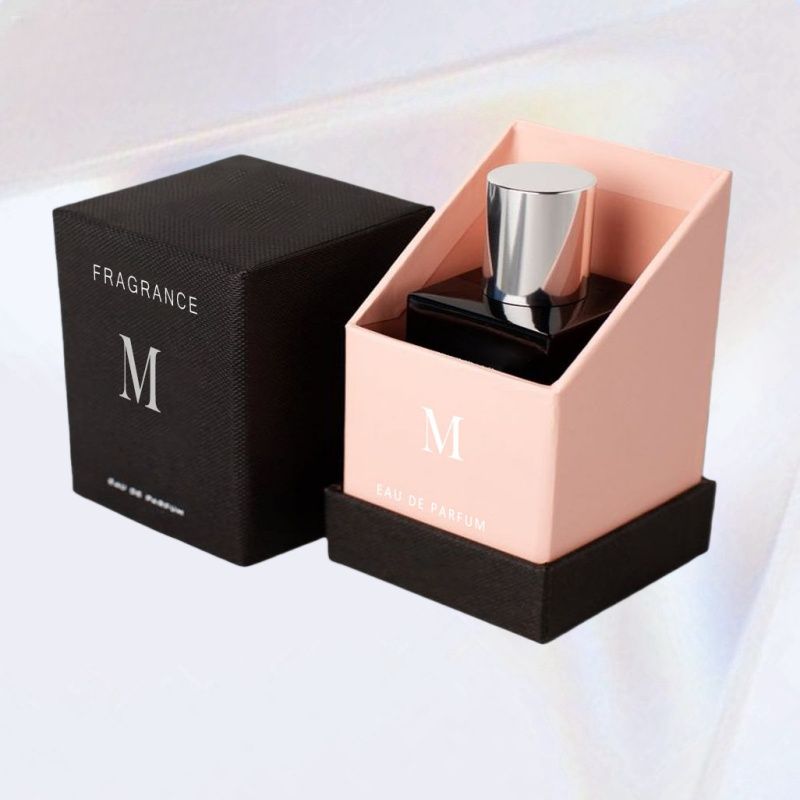
Presentation is where the rigid boxes fail. The consumer senses the weight of the box, the sharp corners when they are wrapped in the box, and the opening motion of the lid or drawer. This is why rigid boxes are popular options in premium packaging such as jewelry, fragrances, watches, and gift packs. Rigid Jewelry Boxes, for instance, are typically designed with a combination of lid-and-base box or hinged box with the velvet or foam insert to hold rings or necklaces.
Corrugated mailers can still create a great presentation. Printed mailer box with the logo on the box, interior print, and tissue paper can work very well for subscription packages and apparels. The box would appear as a shipping box with the brand, not a keepsake box.
Durability Considerations
Durability is different for each packaging style, so it helps to be specific about your needs.
- Stacking and handling. Rigid board maintains its form on the shelf and during handling. Corrugated board is engineered and rated to stack in warehouses and trucks.
- Surface condition. Rigid boxes display scuffs and dents more easily; that’s why they go into another box for shipment.
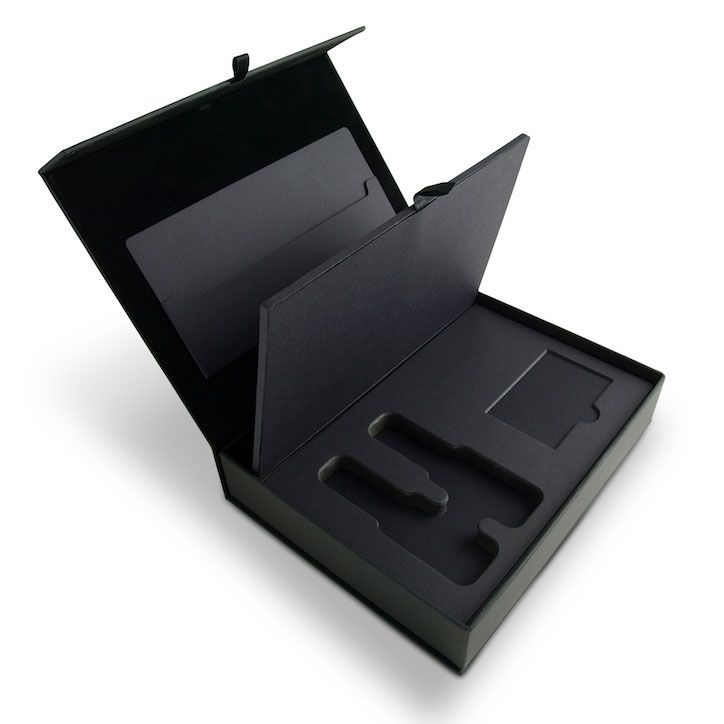
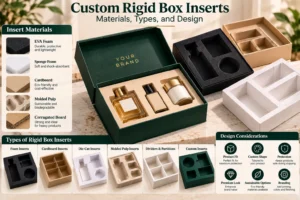
- Product movement. In either case, the product will be contained by a fitted insert. Inserts may be die-cut from foam, cardboard, or other material to accommodate the product.
- Repeated use. Rigid boxes are used for storage; therefore, they must endure repeated opening and closing.
Shipping protection comes from the entire system: product, insert, inner box, filler, and outer shipper. Test your packed order before full-scale shipping, especially with fragile products such as glass or electronics.
Product Fit
Both require proper sizing. An oversized box will not fit tightly and allow the item to move around inside while an undersized box will be too tight to remove the product. Prior to getting quotes, be sure to check out our rigid box size guide. How to Measure Your Product for a Custom Box to make sure your insert and interior dimensions will accommodate your product.
Cost Considerations
In most cases, corrugated boxes are going to be less expensive per unit than rigid boxes due to lower-priced materials, high-speed production, and shipment as flat boxes to reduce shipping costs and space. The rigid boxes are more expensive due to higher quality board material, the need for wrapping paper, assembling and finish work, and taking up more space as assembled boxes.
Both boxes will require you to budget for both. Products intended for sale primarily through retail channels may only require the rigid box and a bulk shipping carton for cases.
Common Use Cases
- Shoes & sneakers. Rigid shoe boxes are good for limited edition products, with a corrugated outer box for e-commerce sales.
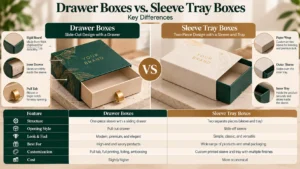
- Gift sets & PR kits. A sleeve tray rigid box reveals itself as the tray is pulled out, and a mailer delivers it to its destination.
- Standard e-commerce orders. Just a corrugated mailer may be sufficient for apparel, books, and household items.
Rigid Boxes vs. Corrugated Boxes: Comparison Table
| Factor | Rigid box | Corrugated box |
|---|---|---|
| Main purpose | Presentation and keepsake | Shipping and storage in transit |
| Board | Dense chipboard or greyboard with a paper wrap | Fluted medium between paper liners |
| Arrives | Assembled | Usually flat |
| Surface | Smooth or textured printed paper | Kraft or white liner |
| Finishing options | Foil, embossing, debossing, spot UV, soft-touch | Printing, limited specialty finishes |
| Used alone for shipping | Not typically | Yes |
| Relative unit cost | Higher | Lower |
Other Alternatives
There are other packaging solutions besides these two types. Folding cartons fall somewhere in between regarding cost and are quite popular in retail. Should you be choosing between a premium box and a light retail box, you can check out our comparison of rigid boxes vs. folding cartons.
Frequently Asked Questions
Can I ship a rigid box without an outer carton?
It is possible, although most brands don’t. The paper wrapping could get scratched, dented, or marked from labels and tapes used during shipping. Putting the rigid box in a corrugated shipper with fillers or inserts is the typical solution, and this will give the box a much better chance of making it in one piece.
Is corrugated packaging stronger than a rigid box?
They have different uses. Corrugated packaging is engineered and rated for transportation and stacking. Rigid boxes are engineered for display purposes, using thick board that will maintain its form on the shelf. When it comes to shipping, the correct outer box depends on the weight and fragility of your product, so consult your supplier.
Can a corrugated mailer box feel premium?
A mailer with interior print, tissue, and a branded sticker will appear well-crafted, especially for subscription or apparel brands. However, it will still be recognized as a shipping box. In the case of the box being the gift itself, then the rigid box makes it a keepsake.
Which should I choose for a product sold online?
This approach is used by many online businesses. A rigid box shows off the product, while the corrugated shipper protects the rigid box during shipping. If your product is inexpensive or not a gift, then the corrugated mailer is all you need.
Plan Your Rigid Box
However, if your product requires an upscale presentation, begin with the rigid box and design the shipper around it. Visit our rigid packaging boxes page and get our Free Sample Kit to see what materials we have in stock.
When you are ready, request a custom rigid box quote with your product dimensions and preferred style.