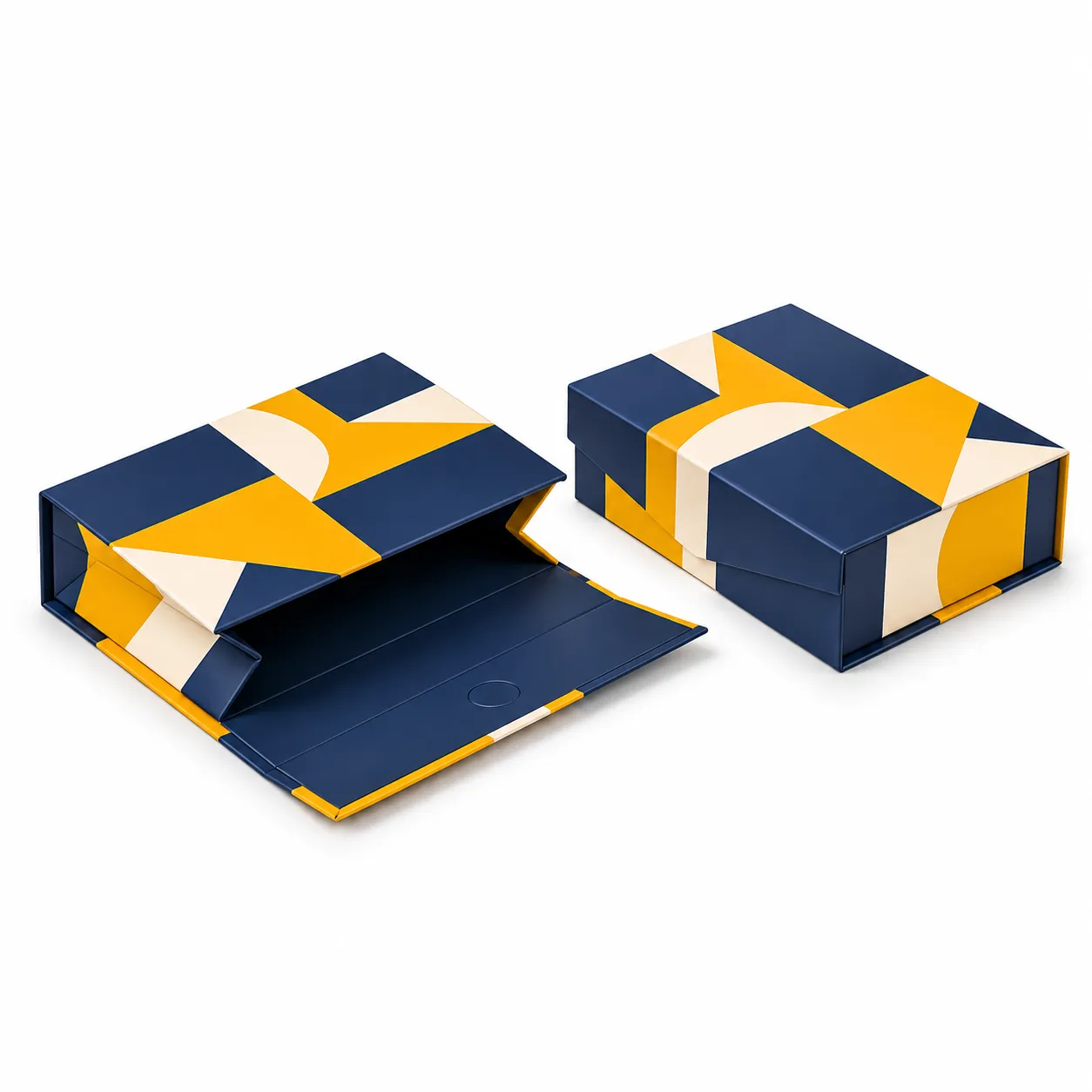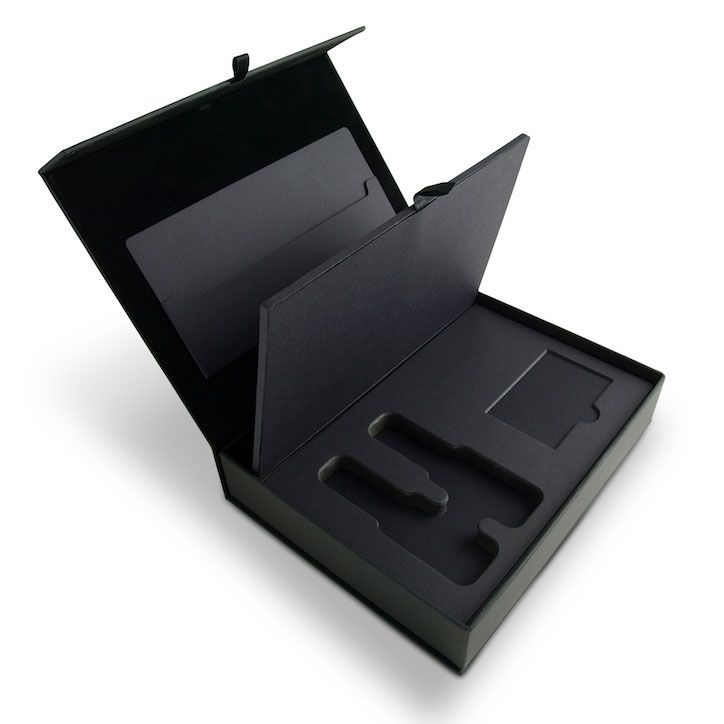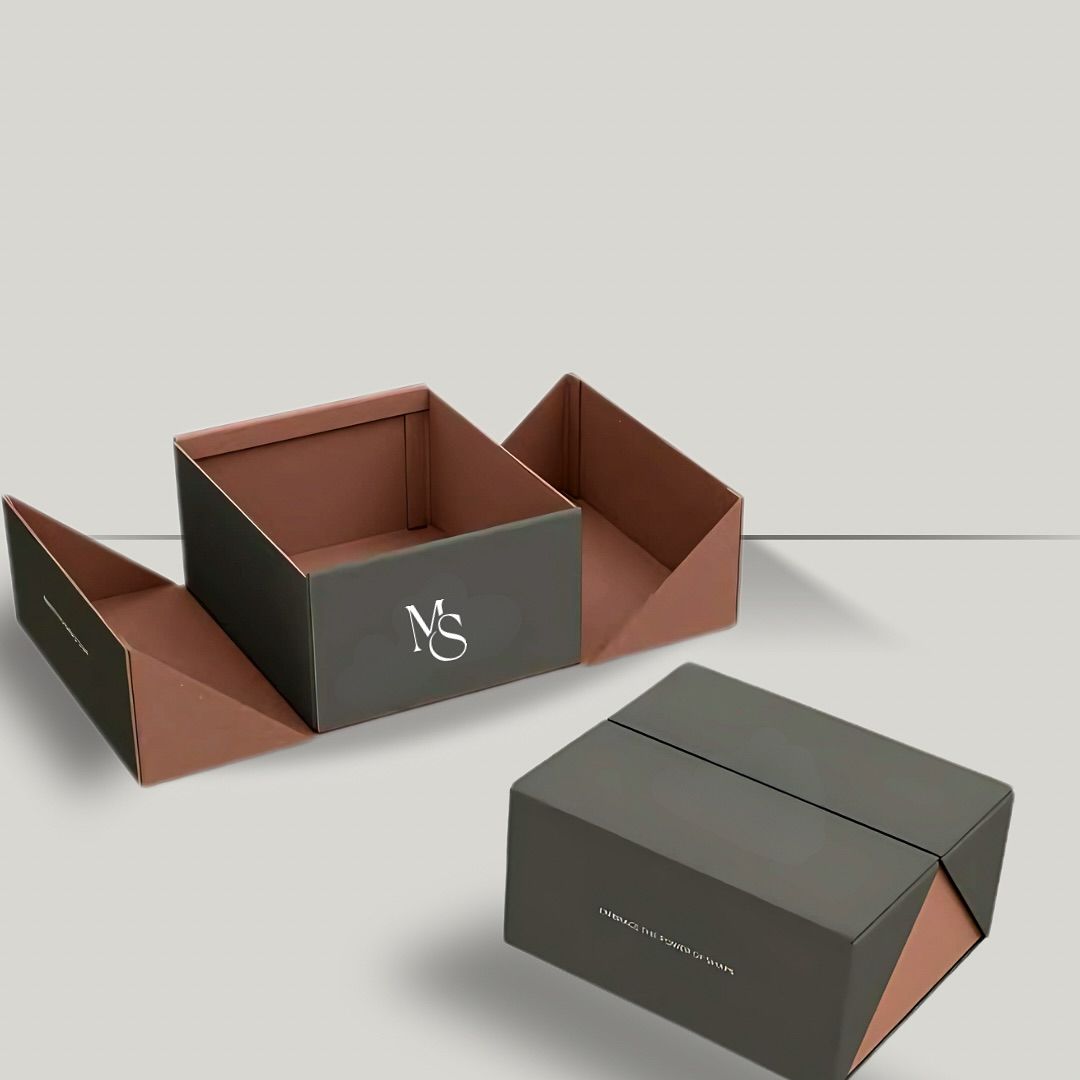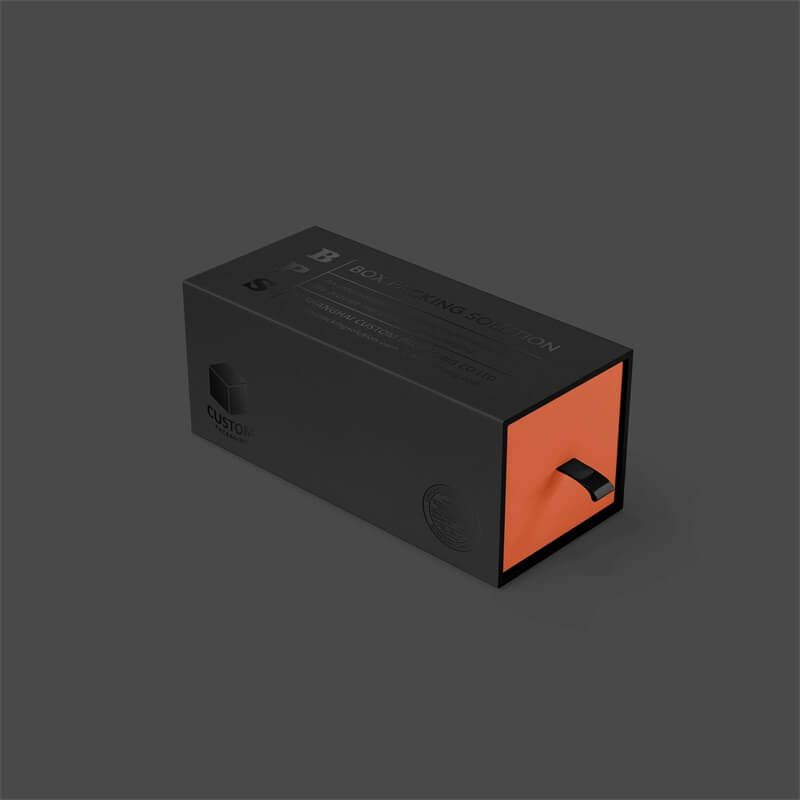


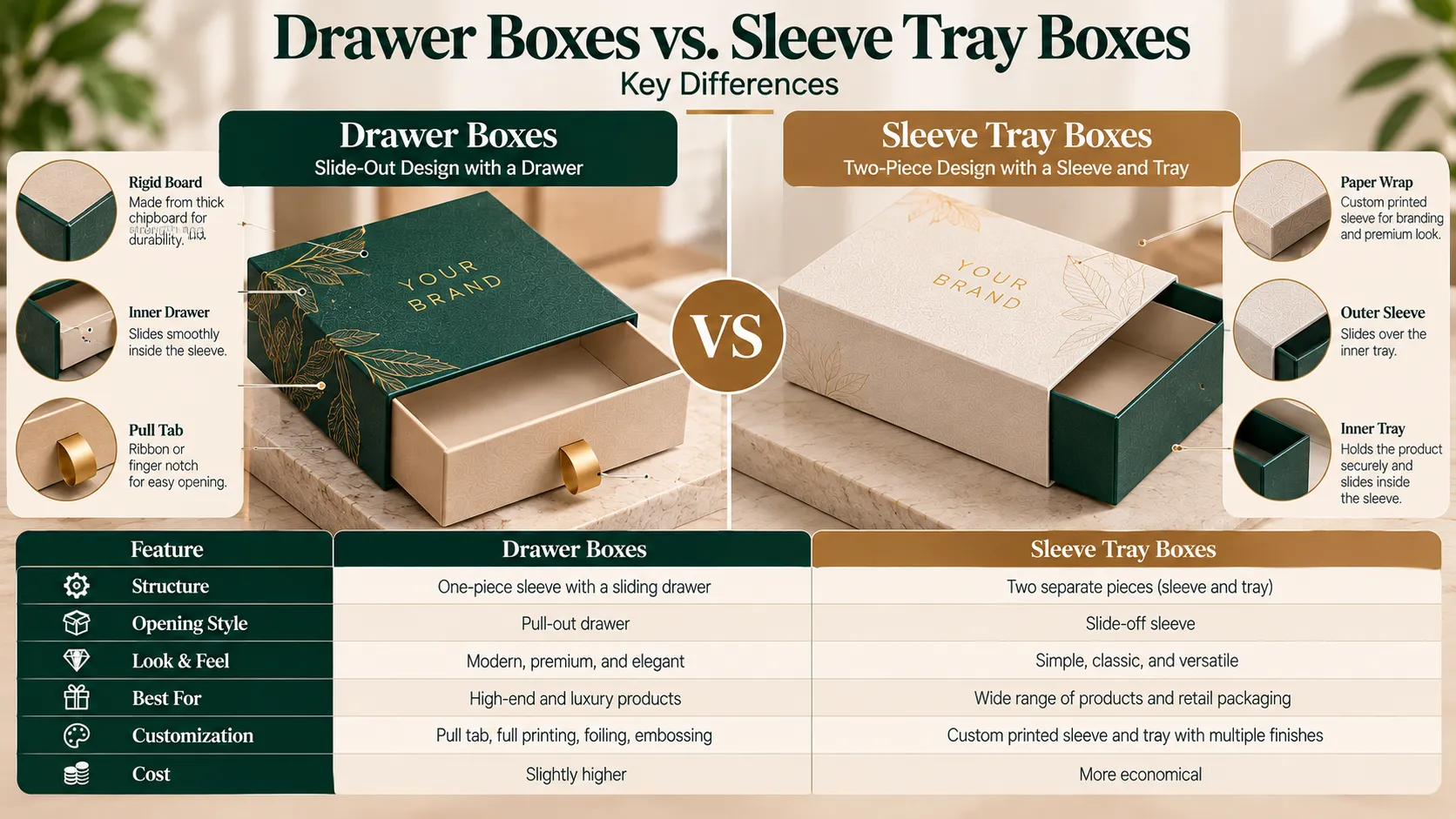










The “drawer boxes vs sleeve tray boxes” question is more equal than many people would think, since both employ the use of a tray that slides out from an outer sleeve. It comes down to construction of the sleeve, the opening mechanism, and how much structure you get for your money. If you want to look at all the possibilities before settling on one, check out our blog post Types of Rigid Boxes: A Guide to Styles and Structures where we describe all different types of rigid boxes.
How Each Box Opens
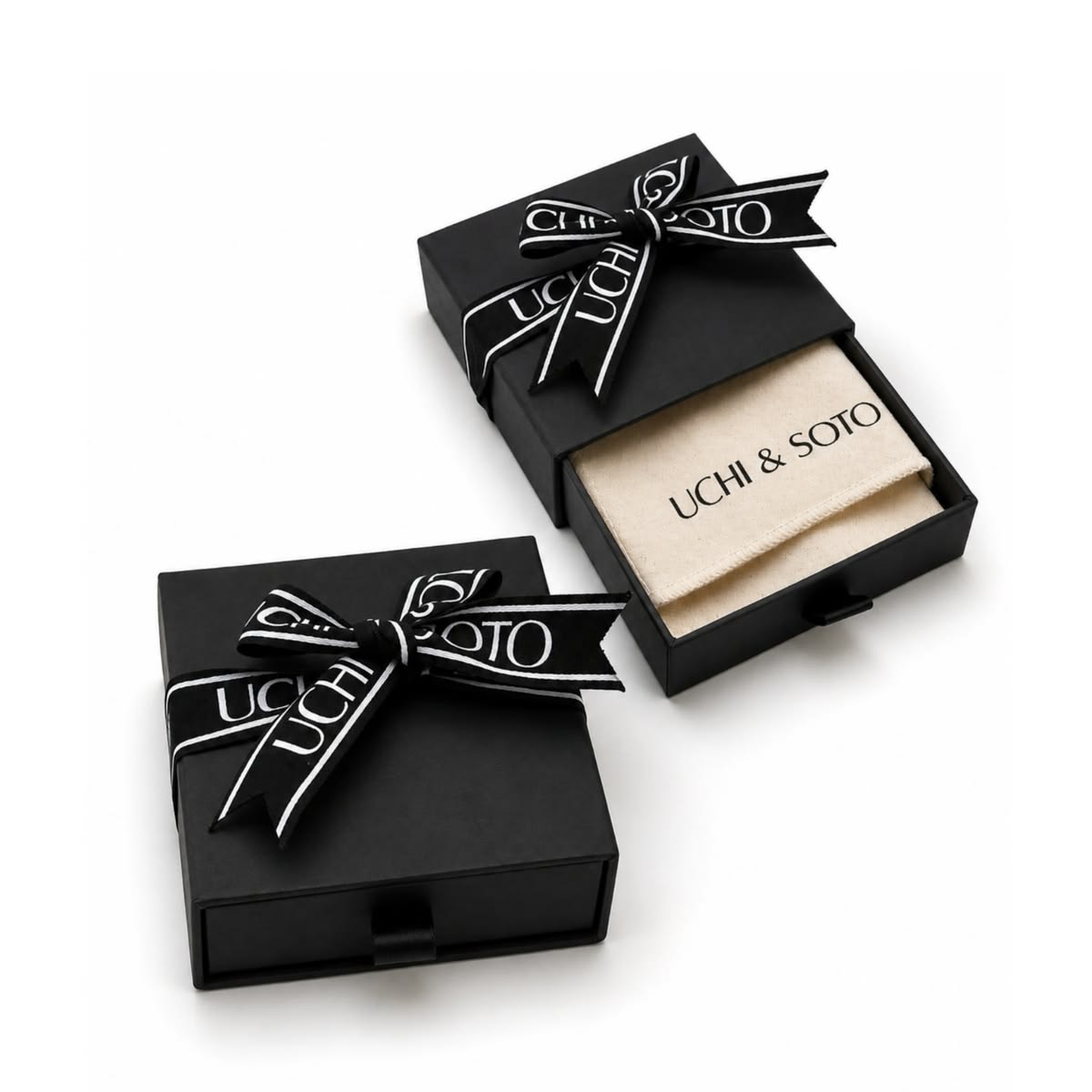
A drawer box operates similarly to a matchbox. The customer pulls the inner tray out of a rigid outer shell using either a ribbon pull or a thumb-notch. This is why drawer boxes are also known as sliding boxes.
The sleeve tray box operates on the same concept, except that the sleeve serves as a removable wrapper rather than a permanent container. Most customers remove the sleeve completely, put it aside, and then retrieve the products from the tray.
Construction: Where the Two Styles Differ
The difference between the two is found in their construction, which is composed of two elements in both cases.
Drawer Box Construction
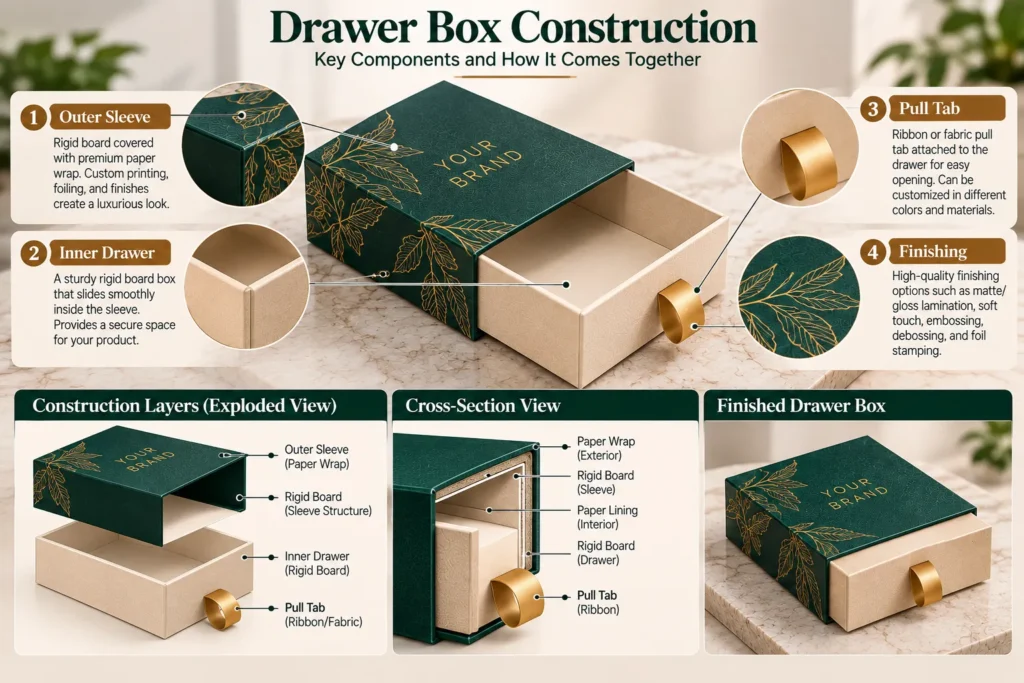
In the drawer box design, the inner tray and the outer shell are both constructed of rigid board, such as chipboard or greyboard, and covered with printed or special paper. The shell and the tray are of the same strength and thickness, thus maintaining the rigidity of the box throughout opening. Rigid drawer boxes are often selected for durable items, like watches or fine stationery.
Sleeve Tray Construction
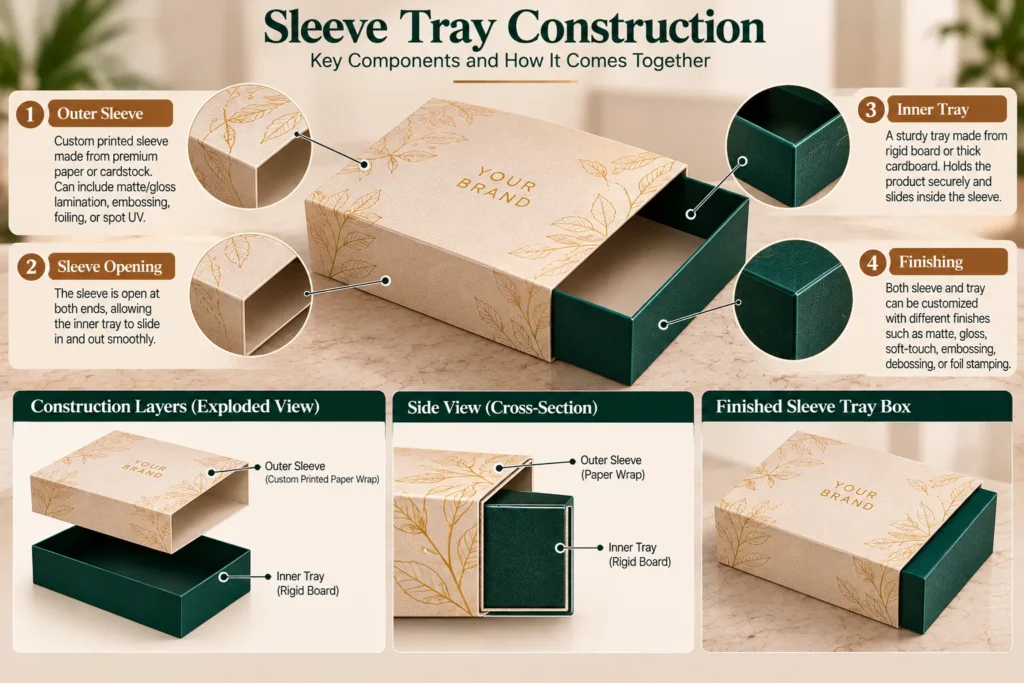
In the sleeve packaging, the tray is typically rigid, but the sleeve may be rigid board or a wrapped sleeve that is lighter in weight. The construction of the tray is similar to the drawer box a rigid bottom with four sides that are wrapped outside and lined inside. The difference is in the sleeve, which may be lighter in weight and have seasonal graphics on it.
In cases when both components are rigid board, a “sleeve tray box” and “drawer box” are almost identical products, and most suppliers treat these terms interchangeably. You should request a dieline or a sample to see what you are buying.
Use Cases for Each Style
The drawer box is a good choice for items that remain in the box after purchase, like the fountain pen set, 4 x 4 x 2 inch watch box, or premium deck of playing cards. The tray is used many times, so it is important to have a strong shell.
The sleeve tray box is a good choice for products where the sleeve holds the information. A brand can create one design for the trays in the product line and print a new sleeve for each scent or season. These boxes are also common for gift sets and subscription kits, where the sleeve is removed once and the tray becomes the display.
Both types are used for jewelry. A ring or earring can fit perfectly in the drawer, while the necklace would need a longer and flatter tray. Our guide to luxury jewelry box styles explains more.
Insert Fit and Tray Interiors
Both styles use the same tray, so the options for the insert are very similar: foam, cardboard or velvet-like inserts with die cut cavities, and dividers/compartments for multiple item kits.
There is one important distinction to consider: a drawer tray is pulled out horizontally, meaning that the insert needs to keep its items tight enough so that they do not move towards the rear wall while the drawer is opened. In case of a sleeve tray, when the customer pulls out his items vertically, there is more flexibility with cavity depths. For further information about materials and designs, check our guide to custom inserts for rigid boxes.
Presentation and Unboxing
The drawer box is a type of packaging that provides for a gradual reveal, with the product being revealed gradually as the tray slides out. This is because there is only one hero product in the middle of the tray.
A sleeve tray box is a type of packaging that provides for a layered reveal: sleeve off, then tray/inner lid, then product. Since the sleeve is a separate surface from the rest of the packaging, it is an ideal place to use artwork, while the tray is kept simple.
Drawer Boxes vs. Sleeve Tray Boxes: Comparison Table
| Feature | Drawer boxes | Sleeve tray boxes |
|---|---|---|
| Opening style | Tray slides out of a fixed rigid shell | Sleeve slides off, or tray slides out |
| Sleeve construction | Usually rigid board, same as the tray | Rigid board or a lighter wrapped sleeve |
| Reuse after opening | High; built to open and close often | Varies; the sleeve is often removed |
| Artwork flexibility | One design across shell and tray | Sleeve can change while the tray stays the same |
| Best for | Keepsake items, jewelry, watches | Gift sets, kits, product lines with variants |
| Relative cost | Higher when both parts are rigid | Can be lower with a lighter sleeve |
Cost Considerations
Cost is typically where drawer boxes and sleeve tray boxes are the most different. Since a drawer box will use more board and wrapping than a sleeve tray box, which only has a sleeve, it will cost more per unit at the same size. Ribbon pulls and multiple foil colors will make both types more expensive. Quantity, size of the box, and the complexity of the insert are important as well, and you can read about them in our blog post about rigid box pricing factors.
How to Choose Between Them
When considering drawer boxes vs. sleeve tray boxes, the first question to ask yourself is how the box will be used once it is opened. If the box will be retained and reused later, then use a drawer box with a rigid shell. If the sleeve is only a marketing component, then a sleeve tray box allows for changing the artwork without replacing the actual tray. Heavy items perform well with rigid sleeves, while lighter ones may work well with a more flexible sleeve and budget restrictions.
When neither type seems to fit, then collapsible rigid boxes, which ship flat, are great options along with all other types of rigid boxes we have on offer.
Frequently Asked Questions
Is a drawer box the same as a sleeve tray box?
They are very similar, and many manufacturers refer to both as the same thing. However, both involve enclosing a tray in a sleeve. A drawer-style case will have a fixed outer structure, while the sleeve tray may only consist of a light sleeve that the consumer can take off. See if there is a dieline available.
Which style is better for jewelry?
These two are both good options, depending on the jewelry piece. The former will fit best for smaller items such as rings and earrings since this kind of case holds only one object in a small tray. On the other hand, necklaces and bracelets will go well with the latter because it is more flat. The inserts also matter as much as the box itself.
Can I add a ribbon pull to a drawer box?
Absolutely. A pull ribbon is one of the most typical components for a drawer box. It is installed on the short side of the tray to make it easier for the customer to pull the drawer using just one hand. Another choice may be the thumb notch on the shell if you prefer a neater look without ribbons.
Do sleeve tray boxes cost less than drawer boxes?
Sure, particularly in cases when the sleeve is lighter than the tray. If both elements are equally stiff, then their price usually differs little. Size, material, inserts, quantity, and other factors tend to matter more than the style name, so it would be best to compare quotes based on the same specifications.
Get Pricing for Your Box Style
Just let us know the dimensions of your product, its quantity, and what finish you prefer, and we will suggest the structure you need. We will also check your artwork files free of charge. Request a quote.