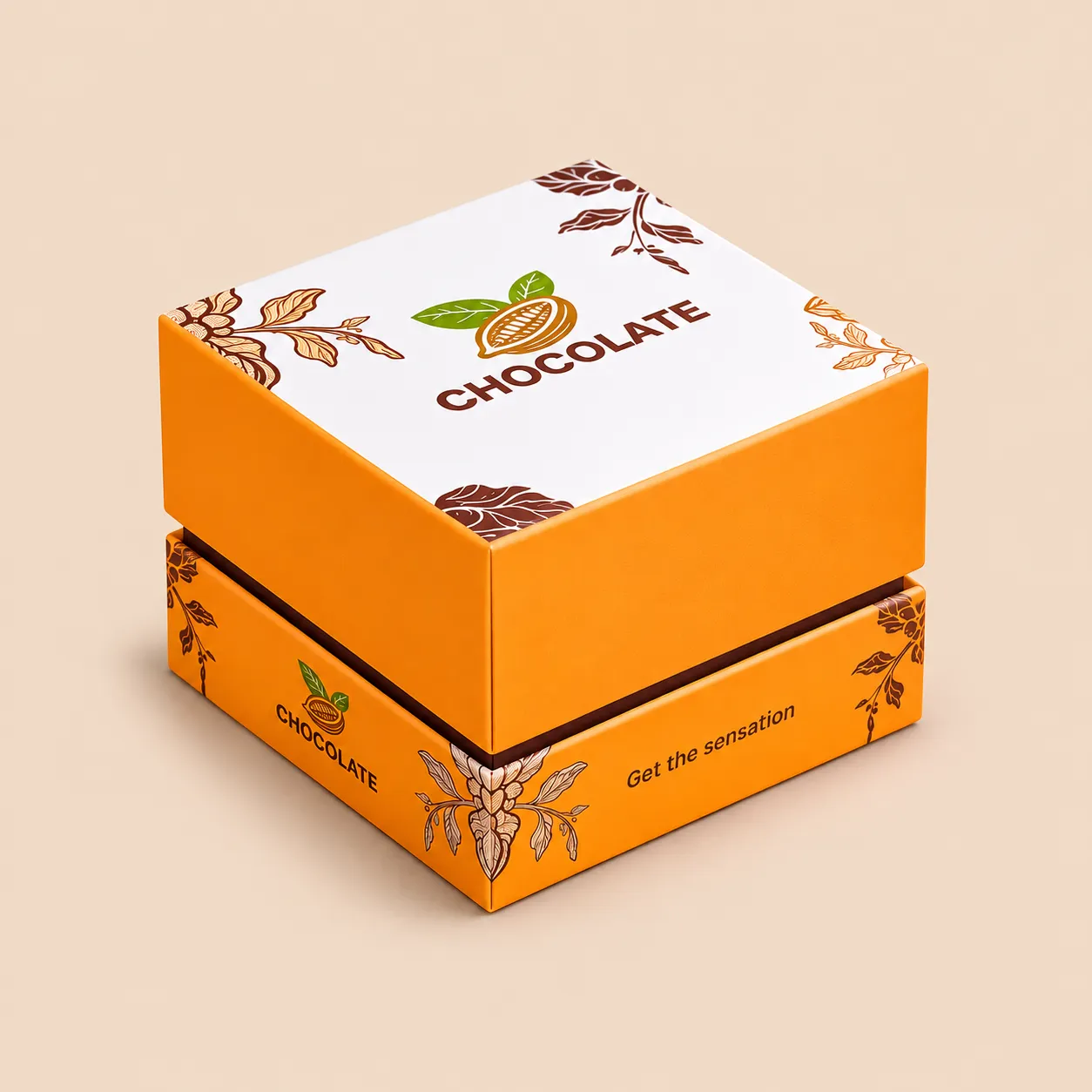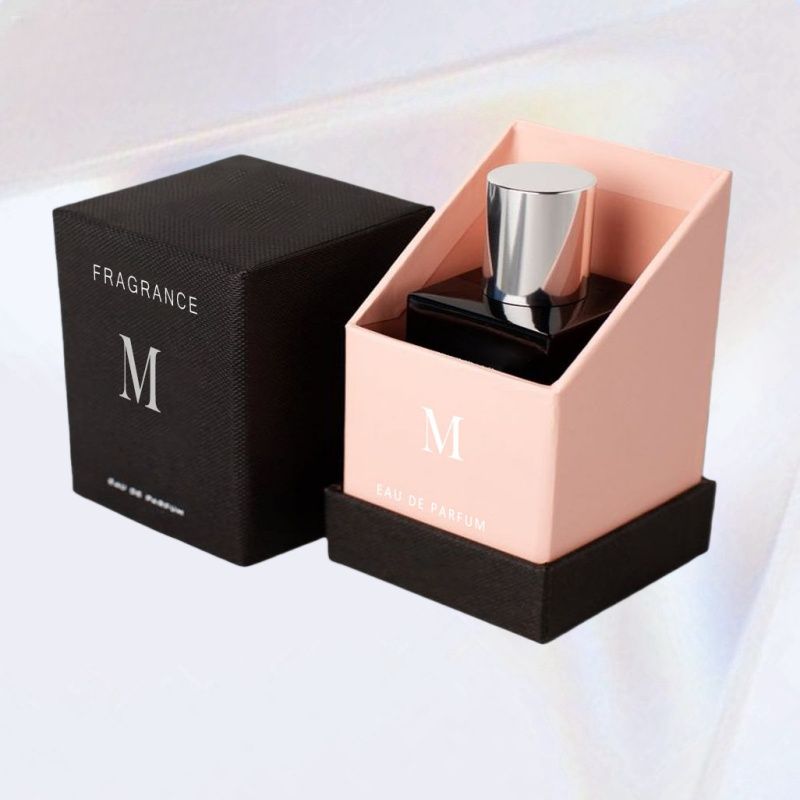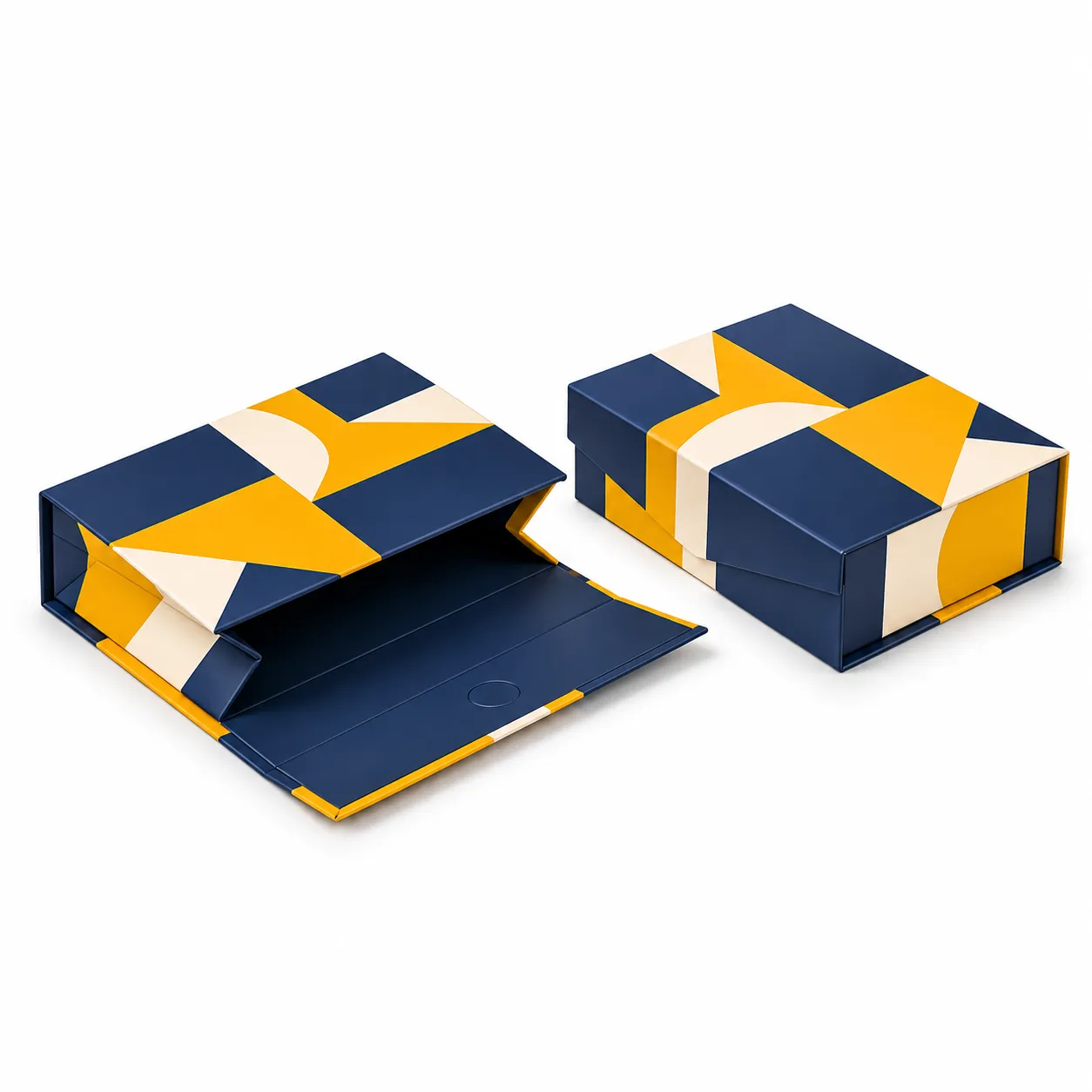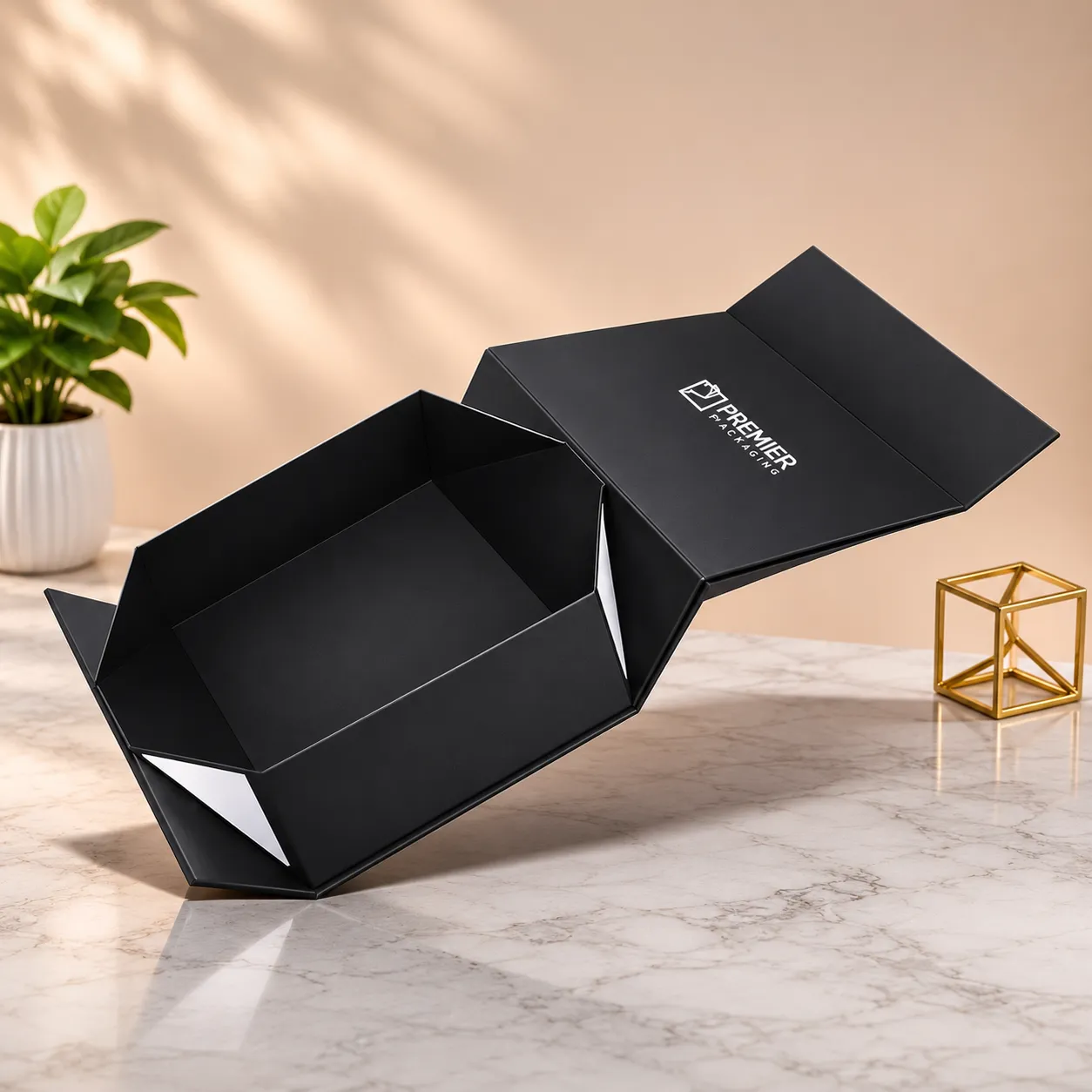

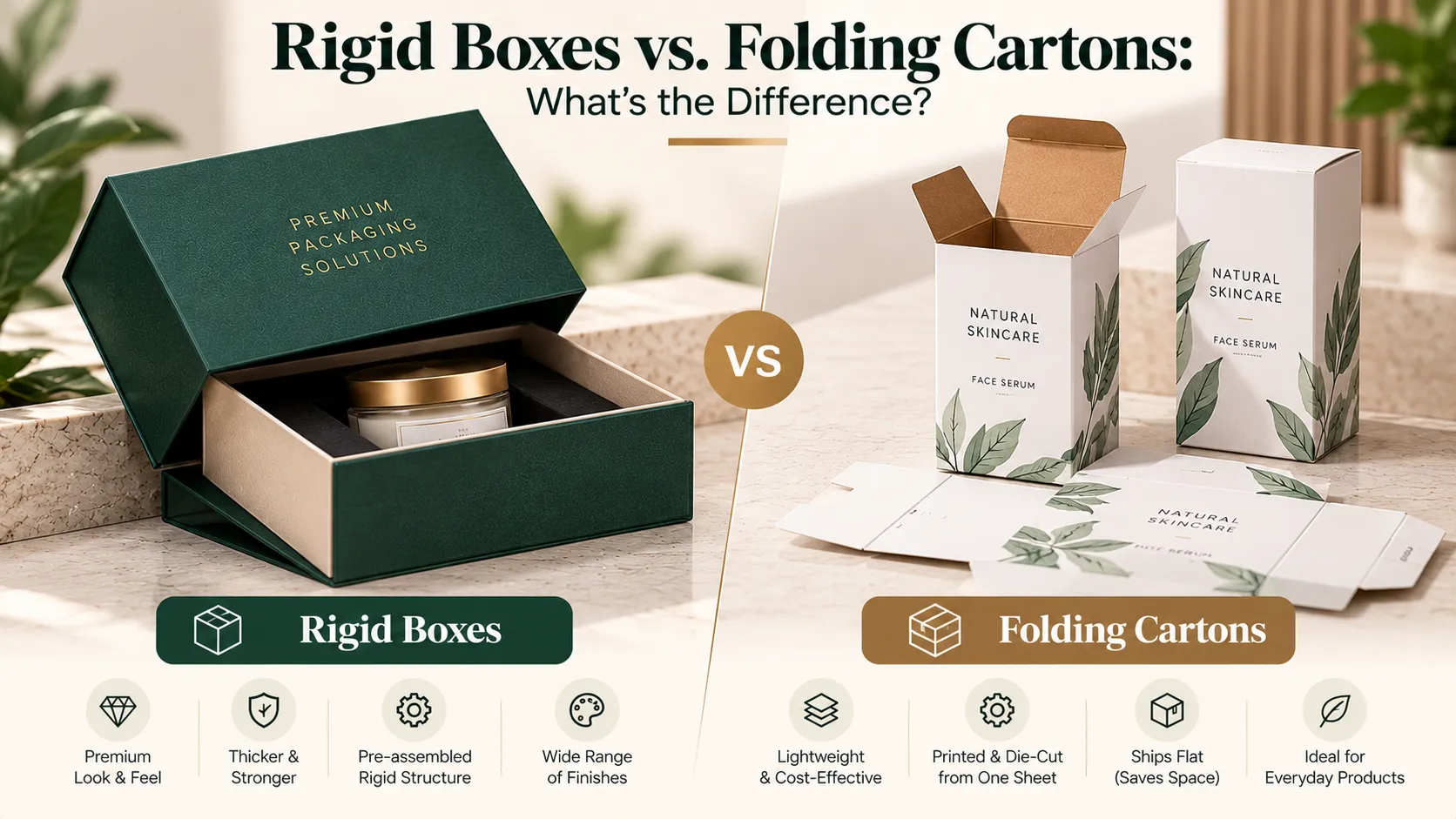








The main difference between rigid boxes and folding cartons is construction. The former is made from heavy wrapped board that comes pre-assembled, whereas the latter is made from light paperboard that comes in flat and then gets assembled as you pack it. It’s the biggest distinction that leads to all others in the “rigid boxes vs folding cartons” debate, from storage requirements to price to the package feel in a customer’s hand.
This guide compares the two packaging types so that you can choose the right one for your product and sales channel.
What Each Box Is
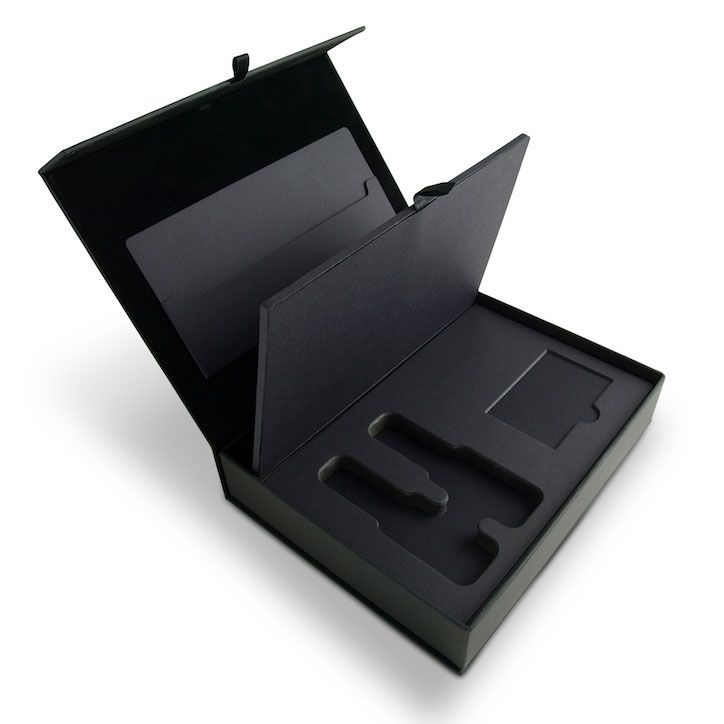
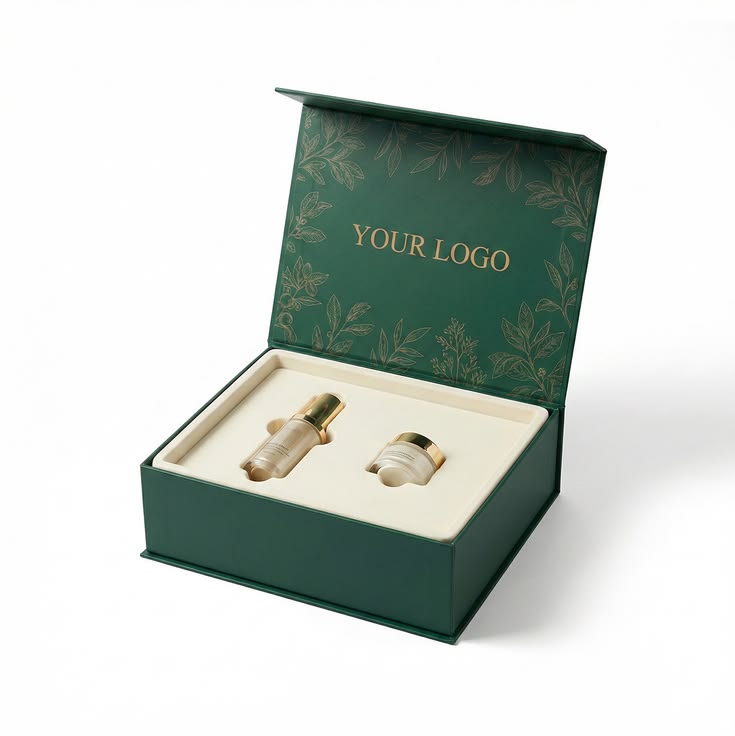
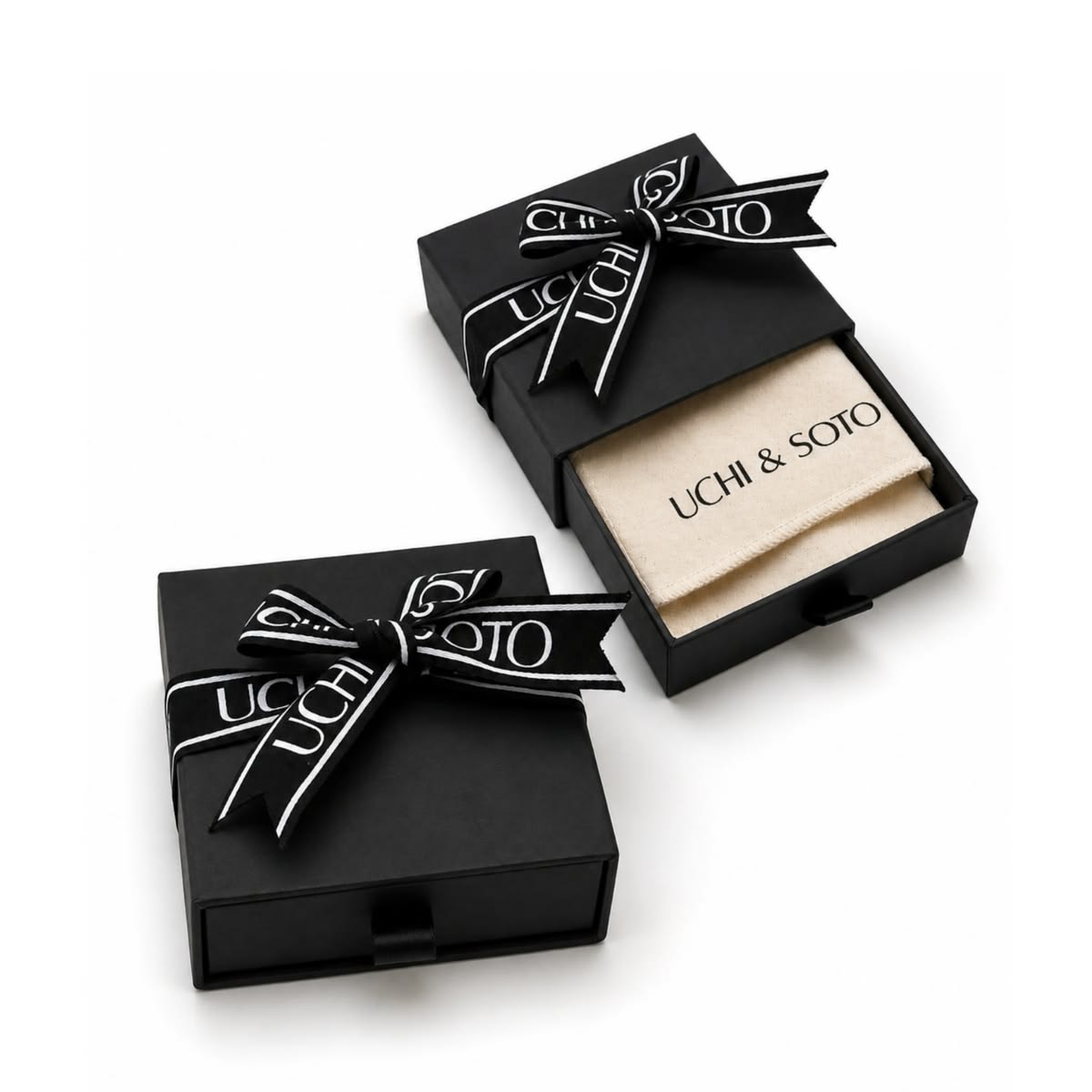
A rigid box, also called a setup box, is made from dense chipboard or greyboard. This material is cut and folded together to form a box that keeps its shape. For those who are unfamiliar with setup boxes, we offer an introduction here What Are Rigid Boxes? A Complete Guide to Rigid Packaging.
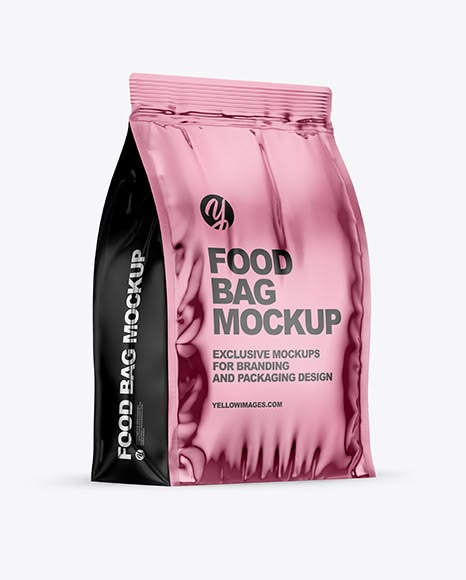
The folding carton has a simpler design than the setup box, because it is only a single layer of paperboard. This is printed, then cut and creased, and often only glued in one seam, and sent for shipping flat. Folding cartons are found everywhere around us toothpaste boxes, cereals, tea, most makeup boxes are folding cartons.
Packaging Construction Compared
The structure of each package accounts for the majority of the differences in appearance and cost.
How a Rigid Box Is Built
A rigid box begins as individual board pieces. These pieces are folded into walls, cornered, and covered with printed paper and folded inward at the edge points. Lids, trays, sleeves, magnets, and inserts are added separately. Each box is put together prior to its completion in production.
How a Folding Carton Is Built
A folding carton is created from one large printed sheet. A die cuts the shape of the box and creates the creases; the carton is then glued and stacked flat. Reverse tuck end, straight tuck end, and auto-lock bottom are common carton designs. You or your team, or a cartoning machine, folds each carton into place during the packing process.
Materials
Rigid boxes have a thick board as an inner core, with all print finishes on the wrap paper. It means that a rigid box can combine a bare board with a textured black paper, a printed art paper, or a soft-touch finish. Our blog post about the materials used for rigid boxes Rigid Box Materials Explained: Chipboard, Paper Wraps and Linings provides more information about these materials.
The folding carton is printed directly on the paperboard. Coated bleached board and recycled boxboard are common types of paperboards used for this application. The material is light enough to be folded by hand.
Storage and Shipping Space
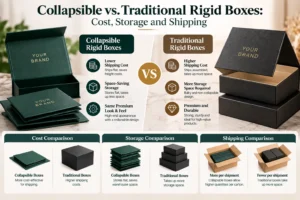
This is where the benefits of folding cartons shine. Since they ship flat, one can load many more cartons per pallet than rigid boxes which come in their final shape. You benefit from savings in inbound freight charges and less space in the warehouse.
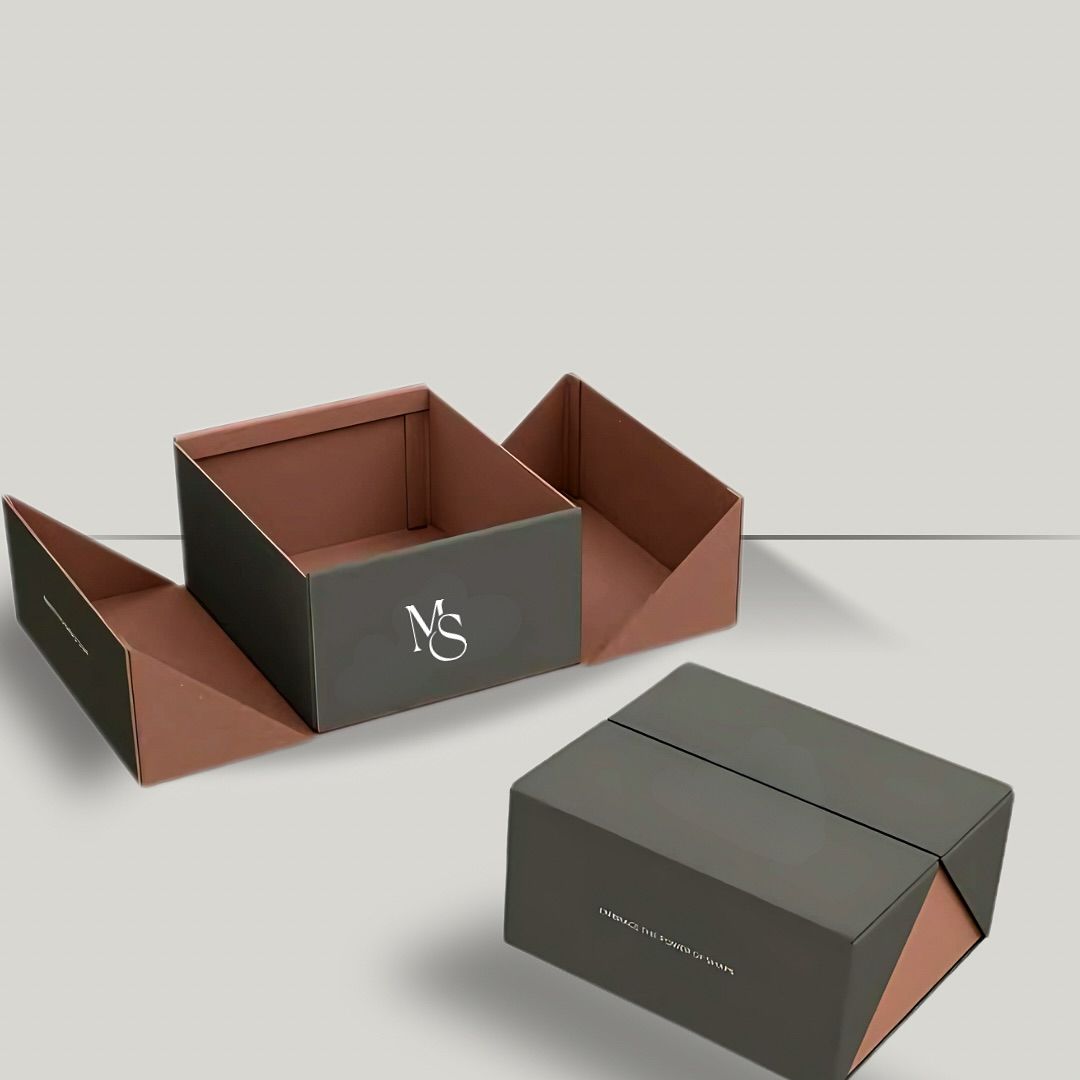
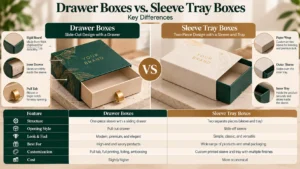
Since rigid boxes arrive in their final form, they occupy the same space whether filled or empty. So if your space constraints are an issue, allow for this and find out how styles like sleeve tray rigid boxes will be shipped. Some styles of rigid boxes can ship flat.
Presentation and Customer Experience
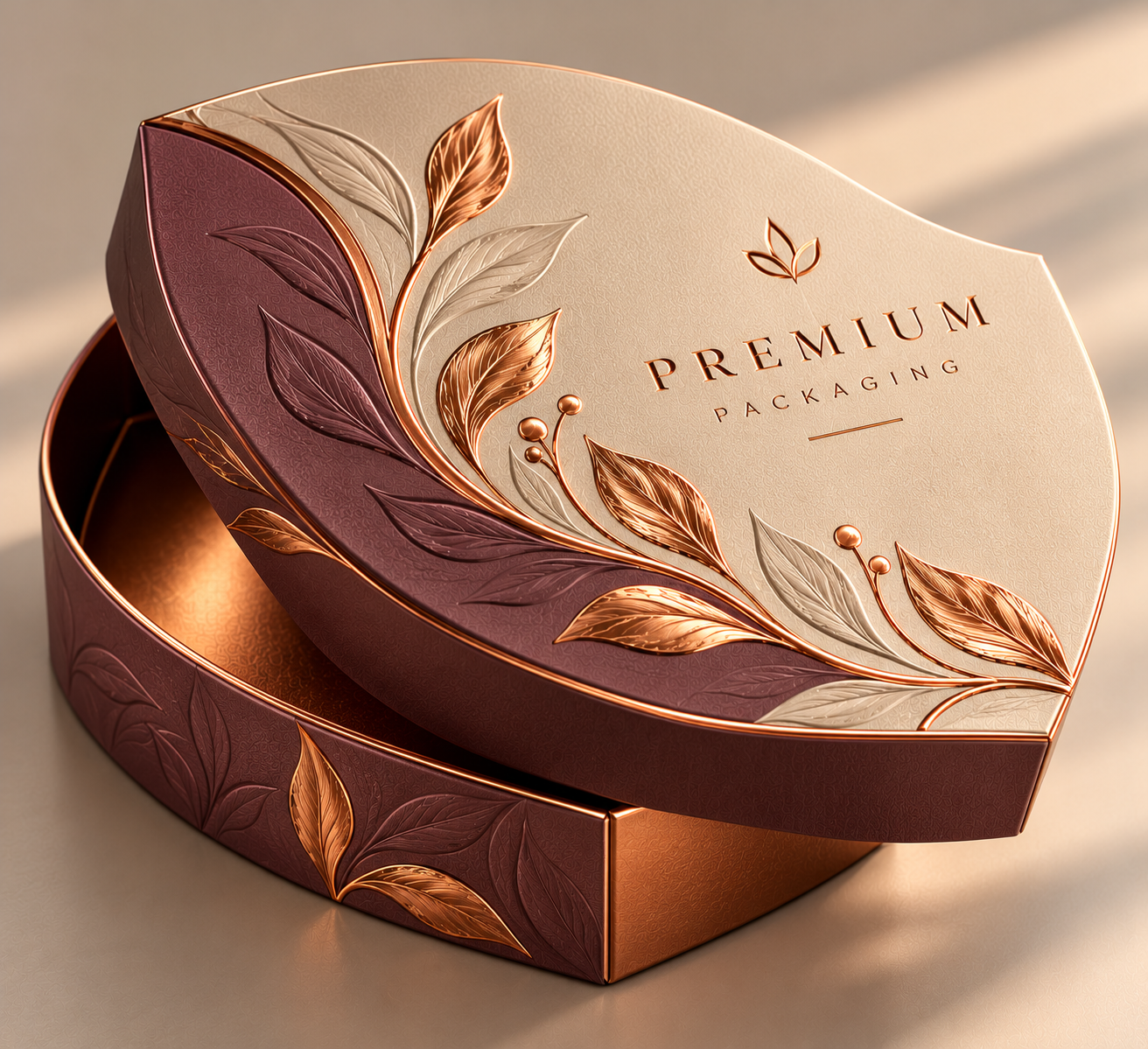
Presentation is an area where rigid boxes shine. Thick walls, wrapped edges, foil stamping, embossing, debossing, spot UV, and other finishes add weight and texture to the box. The lid opens with a slight resistance, and the box will be used as a storage box later on.
While folding cartons may also look sleek with a good print and foil logo, they come across as retail packaging. They get opened by customers and typically recycled. For your product that has a premium price or should be treated as a gift, the box should reflect the purchase value. This is why many companies use rigid gift boxes or magnetic closure gift boxes for their holiday and corporate gifts.
Protection
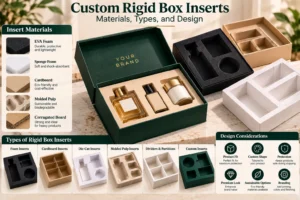
Since rigid board is much more stiff than carton board, the rigid box is much better at retaining its shape during handling and stacking. Inserts that fit into the box, made of foam, cardboard, or velvet-like materials, will ensure that the contents won’t move around inside.
Neither one is meant to be used as a shipping container by itself. They are always packaged in an external shipper for transport. When comparing presentation packaging to shipping packaging, please refer to our comparison of rigid boxes vs. corrugated packaging.
Cost Comparison
Based on a strict cost analysis, rigid boxes will always be less expensive per item. They involve fewer materials, are made using printed sheets at fast speeds, and transported flat. Rigid boxes need heavier stock, wrapping, assembly, and additional freight space.
It depends greatly on the order. What makes the most impact on rigid box costs?
- Size of the box and board weight
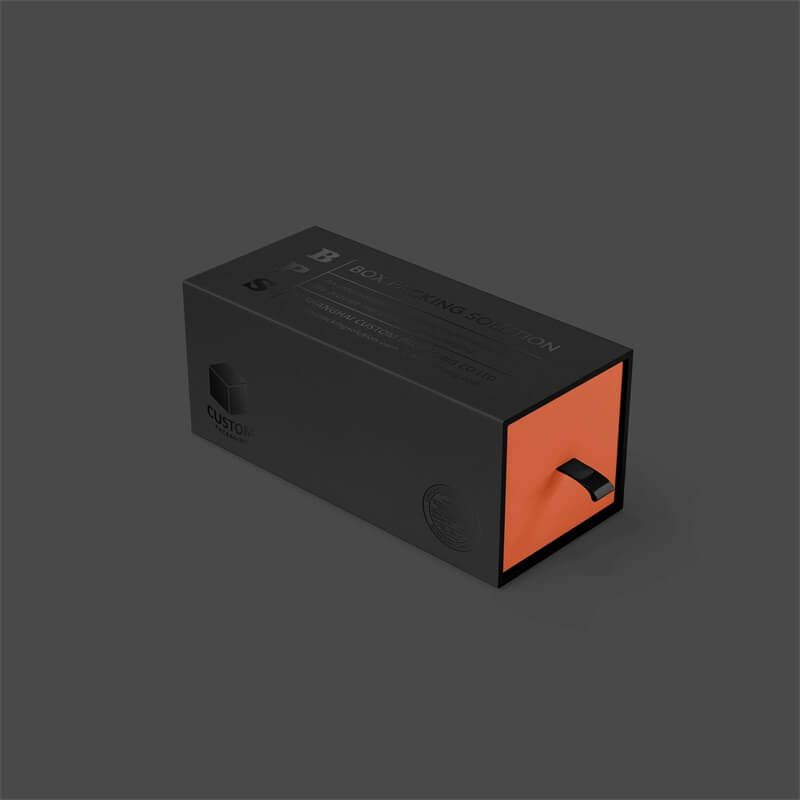
- Structure type – lid and base, magnetic or drawer
- Wrap paper and percentage print area
- Finishes and amount of special treatments
- Inserts and compartments
- Order quantity
To see more, check out our guide on custom rigid box price factors. The most accurate method of comparison is ordering quotations for each format based on identical size and volume.
Common Use Cases
| Product type | Usually a better fit |
|---|---|
| Everyday cosmetics, supplements, tea | Folding carton |
| High-volume retail items | Folding carton |
| Jewelry, watches, fragrance | Rigid box |
| Gift sets and corporate gifts | Rigid box |
| PR and influencer kits | Rigid box |
| Premium electronics accessories | Rigid box |
Rigid Boxes vs. Folding Cartons: Side-by-Side Table
| Factor | Rigid box (setup box) | Folding carton |
|---|---|---|
| Board | Thick chipboard or greyboard, wrapped in paper | Thin paperboard, printed directly |
| Arrives | Assembled | Flat, folded at packing |
| Storage space | High | Low |
| Feel | Heavy, solid, premium | Light, flexible |
| Finishing options | Foil, embossing, debossing, spot UV, specialty papers | Foil, embossing, coatings |
| Reuse by customer | Often kept | Usually discarded |
| Relative unit cost | Higher | Lower |
How to Decide
Use these questions to help you decide:
- What is the price point of the item? A higher priced product always merits better packaging.
- Where will it be sold? Overloaded store shelves prefer cartons over rigid boxes, while consumer brands and gifts favor rigid boxes.
- How much storage room do you have? Less storage capacity means using cartons and even collapsing rigid boxes.
- Will the customer retain the box? Yes, then a rigid box will create added value post-purchase.
Some brands use both types of boxes. The carton takes care of the regular retail line, while the custom rigid boxes are used for gift editions and special orders.
Frequently Asked Questions
Are setup boxes the same as folding cartons?
Setup boxes are also called rigid boxes, as they come ready-made and are made of thick, wrapped board. Folding cartons are made of thin paperboard, ship flat, and are put together during packaging. The differences lie in the design, texture, storage requirements, and costs of the two.
Which is cheaper, a rigid box or a folding carton?
The cost of one folding carton is lower than that of a rigid box. This is due to the low amount of material used, its high-speed production using printed sheets, and flat shipping. Rigid boxes are expensive due to their thick board, wrapping, assembly, and shipping space.
Can a folding carton look premium?
Yes, although not completely. Good-quality printing, the use of foil logo, embossing or a soft touch varnish will improve the appearance of your carton. But since it will remain lighter and more flexible compared to a rigid box, it will never give that feeling of heaviness when opened by a customer.
Can I switch from folding cartons to rigid boxes for one product line?
Yes. Most brands use cartons for regular sales and use rigid boxes for gifts only. You should first provide us with the dimensions of your product along with your current artwork and ask us for a sample or proof.
Get Pricing for Your Rigid Box
If you have decided that a rigid box is the way to go, then you need to get an estimate based on your size, style, and quantities. We will review your artwork for free and select a structure for you.
Request a custom rigid box quote to compare the numbers with your current packaging.