

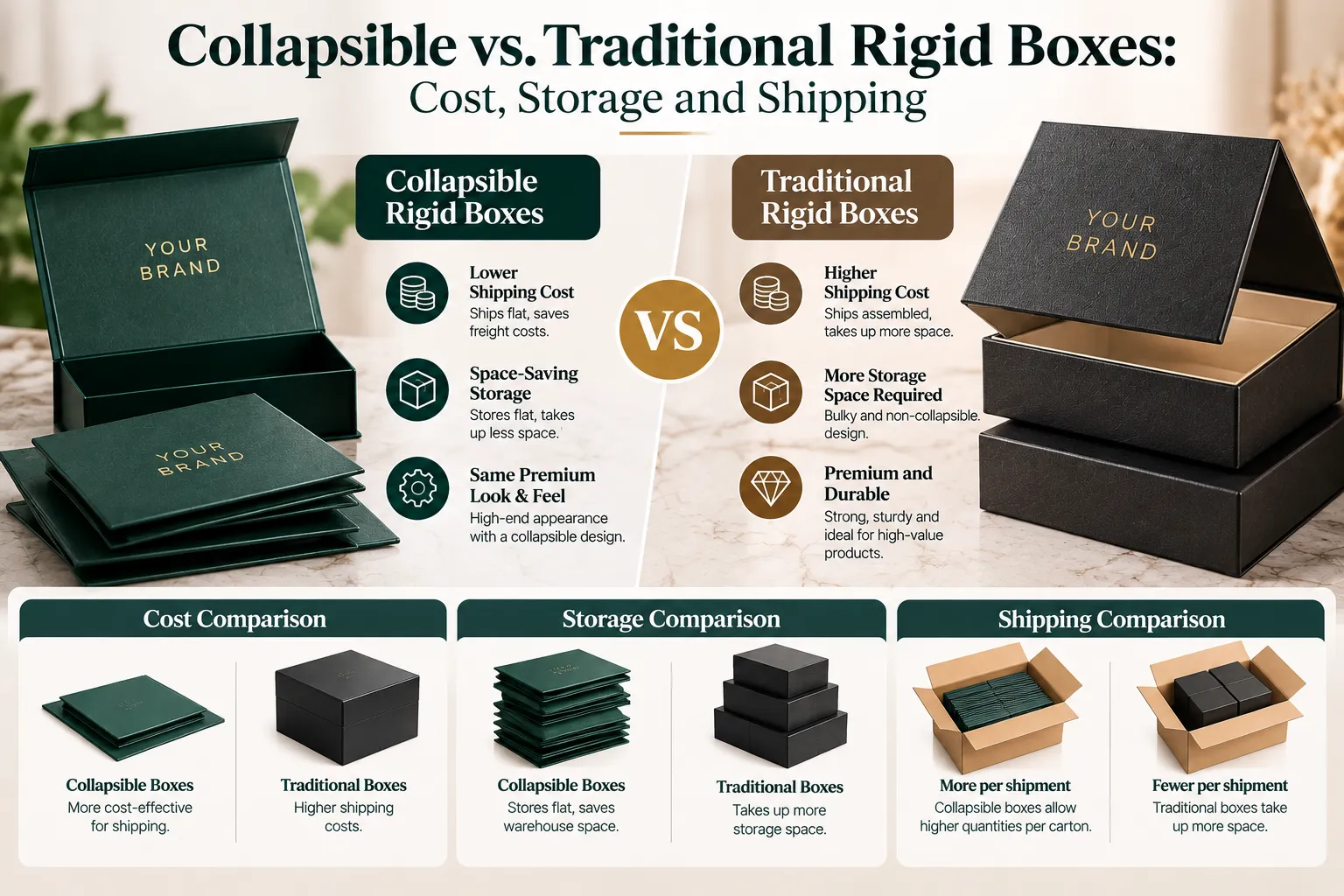








In the “collapsible vs traditional rigid boxes” comparison, the difference comes down to when the box takes its final shape. A traditional rigid box is glued into its finished form during production and ships fully built. A collapsible box uses the same rigid board but folds flat, so it ships and stores in a fraction of the space and is set up by hand before packing.
Both are part of the wider family of different rigid box styles. This guide compares how each is built, how it affects storage and shipping, and when each one makes sense.
How Each Box Is Constructed
Traditional Rigid Boxes
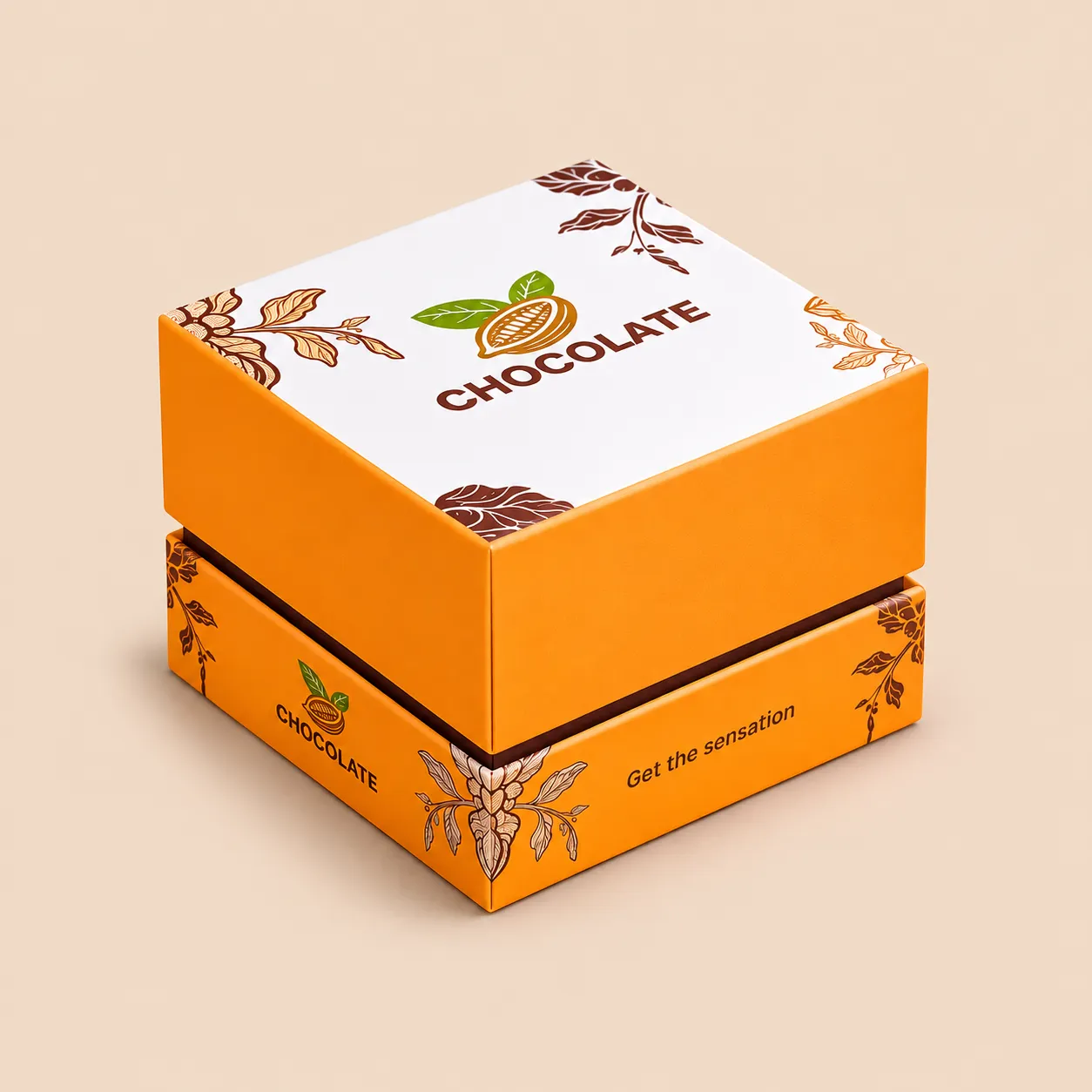
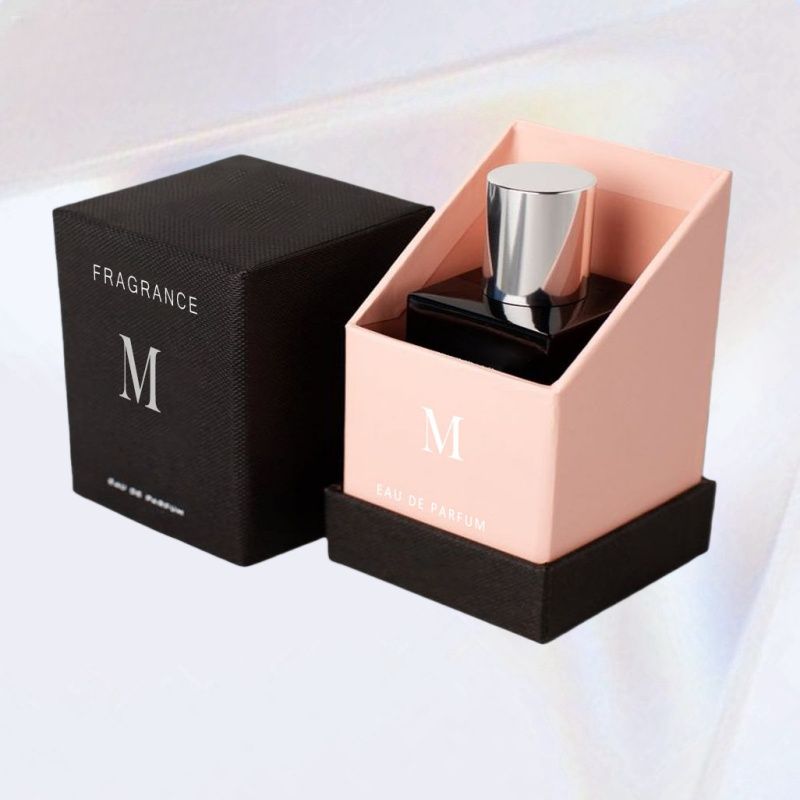
A traditional rigid box, often called a setup box, is made from rigid board such as chipboard or greyboard. The board is cut, formed into a base and lid, and wrapped in printed or specialty paper. The corners are glued and set, so the box arrives at your facility exactly as the customer will see it.
Due to the predetermined shape, the box retains its shape from the factory to the shelf. However, the cost is that an empty box occupies the same amount of space as the filled one.
Collapsible Rigid Boxes
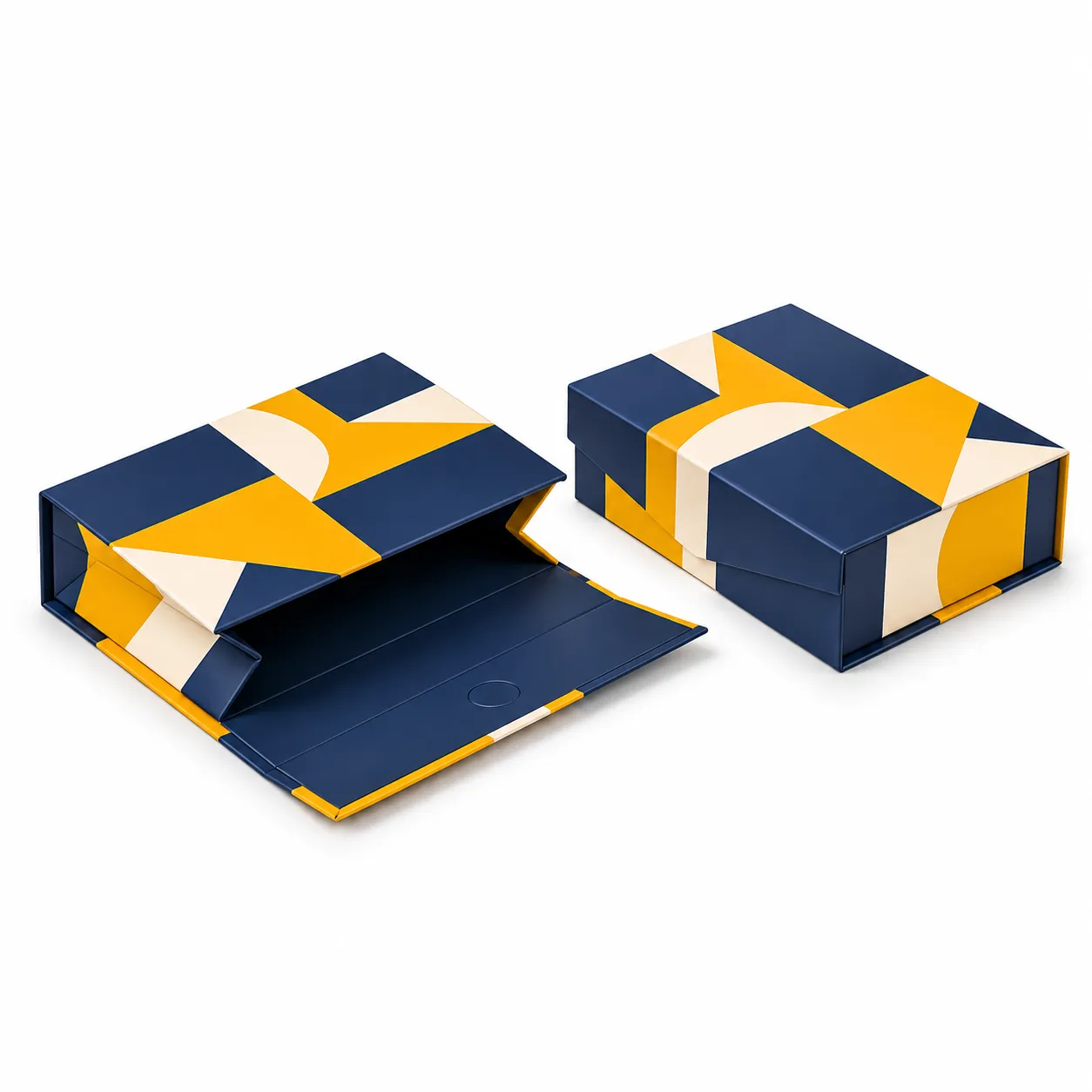
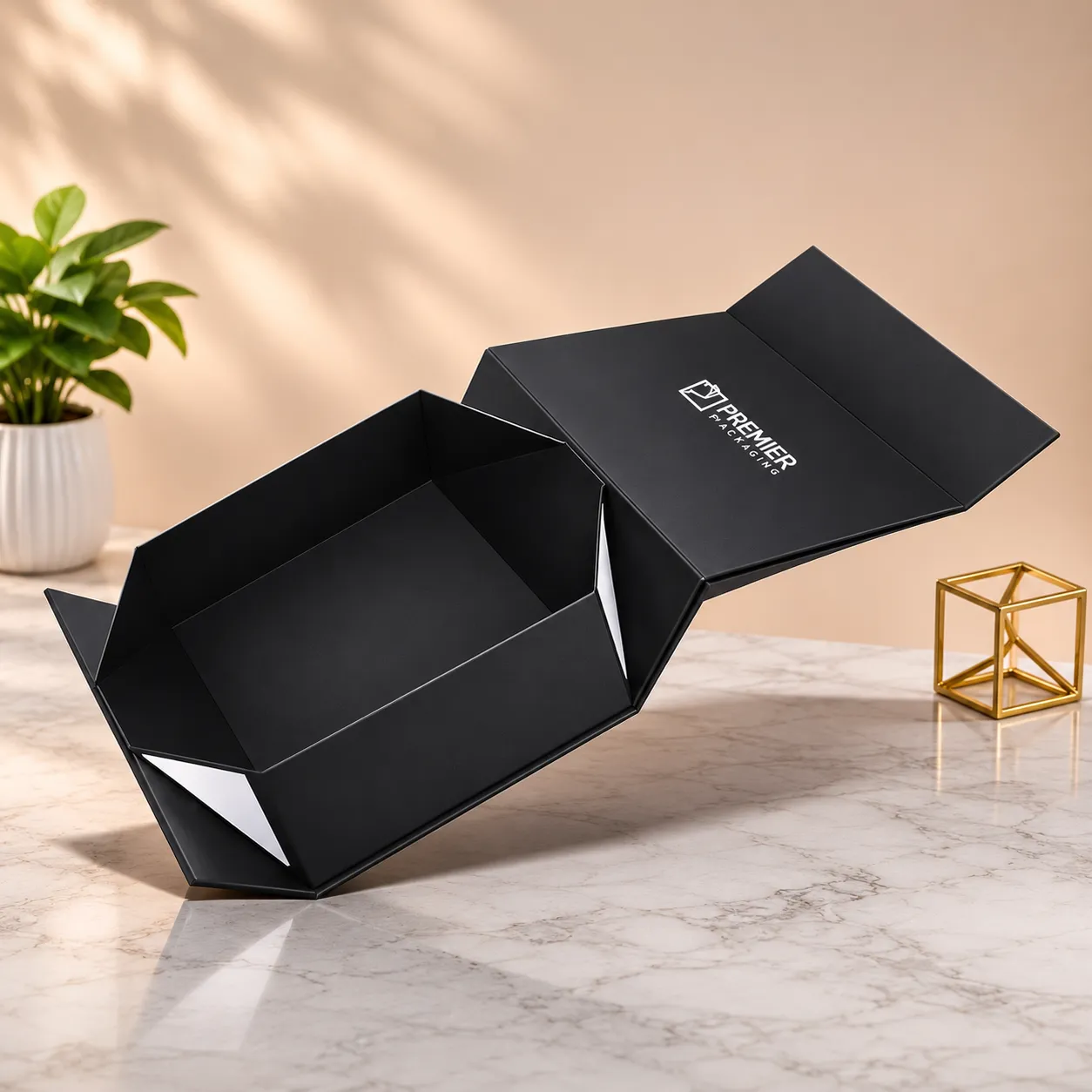
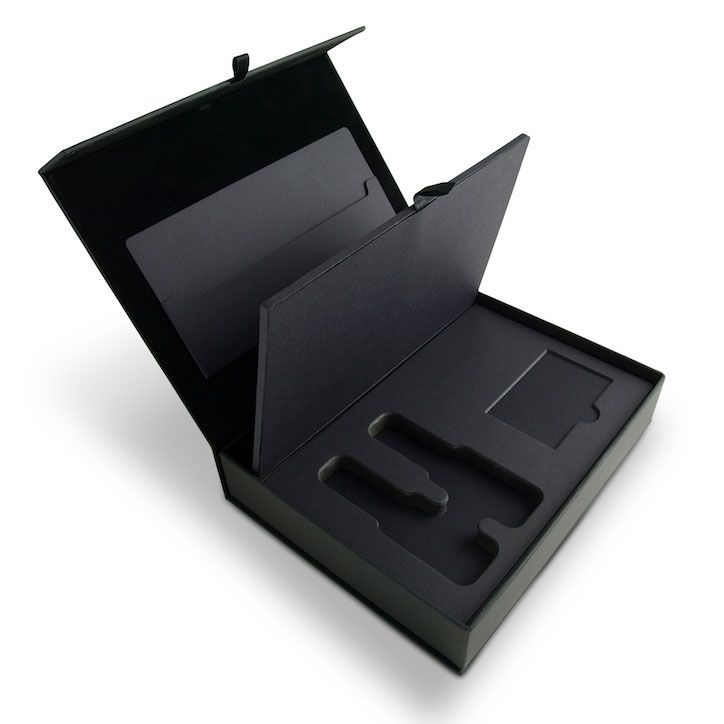
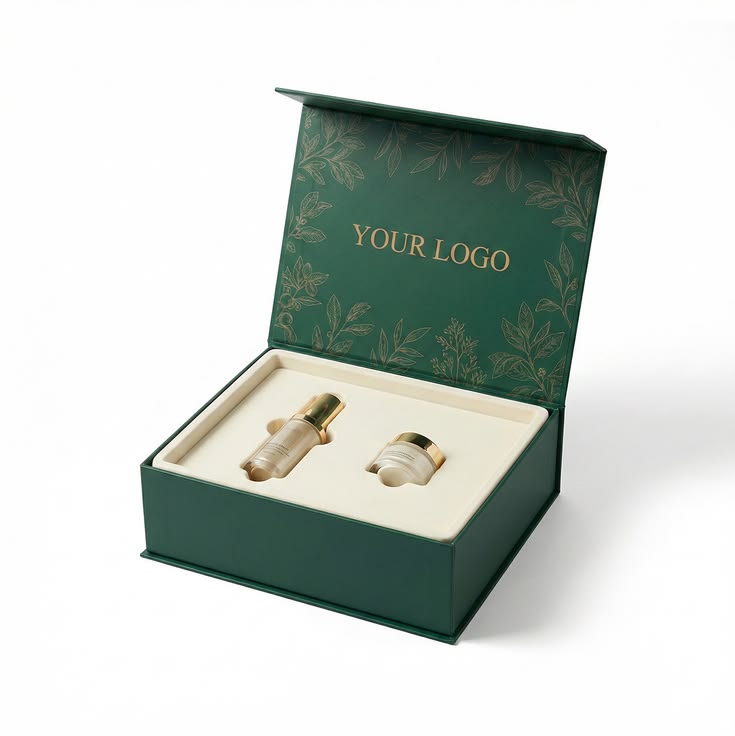
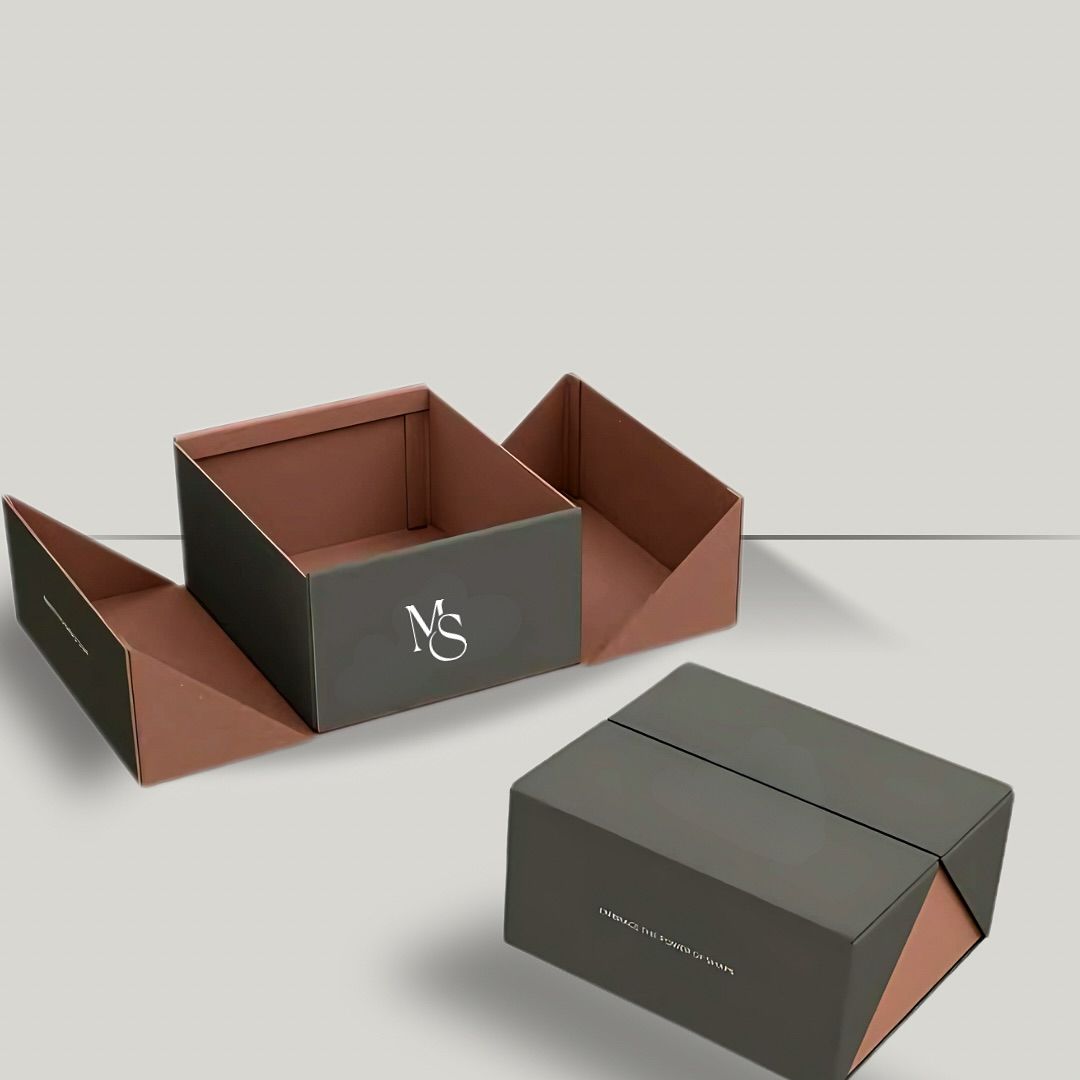
Collapsible boxes, which are also referred to as foldable rigid boxes, are made of the same board and wrapping materials. The difference is in the joints, when instead of fixing the walls in the predetermined shape, the panels are hinged through scoring so that the box could collapse into a flat shape. One of the most popular collapsible boxes is a book-style box with a magnetic flap, where the side walls fold into place.
“Collapsible” and “foldable” are used interchangeably when referring to the same thing. It is recommended to refer to the dieline or samples to understand the specifics of folding of a certain product.
Assembly and Setup
Traditional rigid boxes require no assembly. You simply open the carton, insert the box, load the item, and then seal it up.
Collapsible boxes require an additional assembly step. Someone needs to unfold the box, erect the sides, and then lock them into position using magnetic locking or pre-applied adhesive strips, depending on how they’re designed. It’s a fast step once you and your workers get the hang of it, but it takes time per box.
Storage Efficiency
But for storage, that’s when you make the savings from flat-pack packaging. A full pallet of collapsible boxes can carry far more boxes than a full pallet of those same boxes already erected.
That matters if you:
- Keep the packaging stored in a small warehouse, studio, or rented space.
- Purchase large amounts at one time so that you can reduce your cost per piece.
- Store seasonal packaging for many months before using them.
- Ship your boxes to a fulfillment center where you are charged for the amount of storage space.
Traditional boxes can only be nested in a limited way, which may include stacking their lids and bottoms separately.
Shipping Volume
Freight charges are determined by weight as well as volume. Rigid board is heavy, although empty rigid board boxes are light because they are mostly air; thus, the volume determines the cost of freight for such items. Flat folding boxes fit into smaller cartons and fewer pallets; may reduce the freight charges on bulk shipments.
The reduction in costs will come from sending empty boxes to your factory. When the boxes are full and sent out to customers, both flat folding and rigid board boxes take roughly the same amount of space. For more information, see How Much Do Custom Rigid Boxes Cost? Pricing Factors Explained.
Cost Factors to Compare
Unit cost depends on your requirements, so make sure that you are comparing quotations for identical size, material and finish. Here are some factors that may affect cost in each case:
- Construction: Collapsible boxes require more scoring and additional closures, like magnets, which may increase the unit cost.
- Freight and storage: Flat boxes are cheaper to transport and store.
- Labor: Collapsible boxes require assembly at the packing stage; traditional boxes don’t.
- Order quantity: The higher the order quantity, the lower the unit cost of both types. In the case of planning wholesale rigid boxes orders, storage is the key factor to decide on which type of boxes is feasible.
When comparing these two box types by their cost, the most economical option is the one with the lowest total cost after taking into account the cost of production, freight, storage and packing labor.
Limitations of Each Type
Collapsible boxes have a few limits worth knowing:
- Shape: Collapsible boxes work well in rectangular and square shapes. Round or very shaped boxes are generally constructed as traditional boxes.
- Fold marks: The hinge may show at the corners depending on the wrap and construction.
- Closure type: There is typically either a magnetic lid or folding lid. If there is a separate lid-and-base or shoulder neck construction, then the box is generally made as a traditional box.
Traditional boxes have their own disadvantages. They occupy more space, are more expensive to ship when empty, and require proper handling during storage to prevent corner crushing in the carton.
Collapsible vs. Traditional Rigid Boxes: Comparison Table
| Factor | Collapsible rigid boxes | Traditional rigid boxes |
|---|---|---|
| Construction | Hinged panels that fold flat | Glued into a fixed shape |
| Arrives as | Flat, needs setup | Fully assembled |
| Setup time | Short manual step per box | None |
| Storage space | Low | High |
| Inbound shipping volume | Lower | Higher |
| Shape options | Mostly rectangular and square | Rectangular, square, round, shaped |
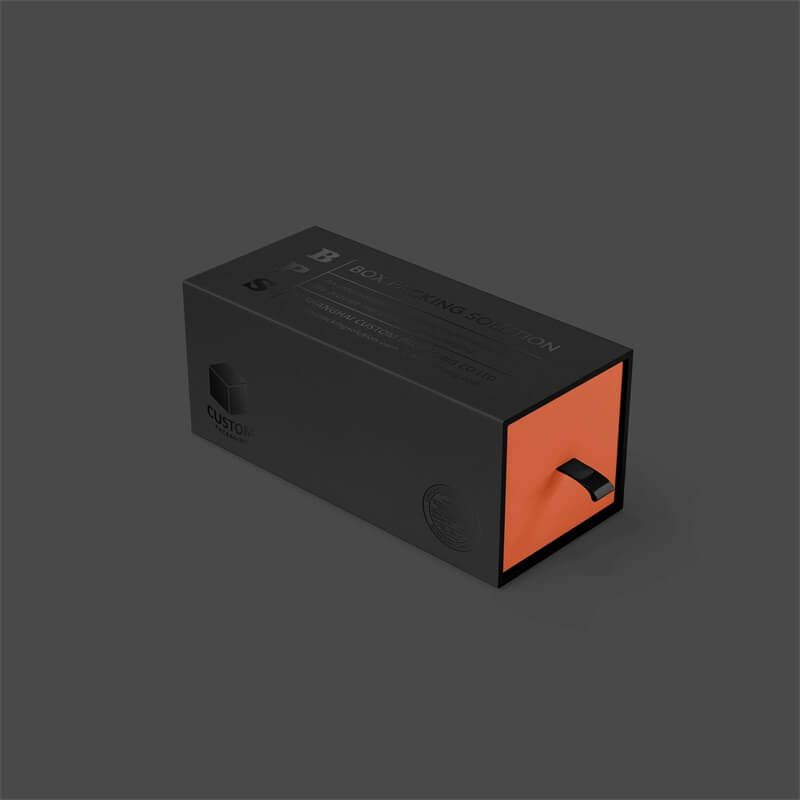
| Common styles | Book-style with magnetic flap | Lid-and-base, drawer, shoulder neck, magnetic closure |
| Best for | Large runs, limited storage, PR and subscription programs | Small items, premium shapes, no-setup packing |
When to Choose Each One
The selection of collapsible vs. rigid boxes normally depends on your storage and packing procedures. Collapsible boxes can be used in situations where there is limited storage space, where large quantities are ordered and stored for months and where shipping of the packaging materials to different places is required. Collapsible boxes are well suited for PR rigid boxes and seasonal campaigns where large quantities come at one time and packaging is done for several weeks.
Rigid boxes should be selected in situations where the product is small in size, if there is a requirement of round or specialty shapes, and when there is need for fastest packing. Items that are small such as rings, earrings etc. are normally packed in rigid jewelry boxes.
Still not sure? You can compare both in our range of rigid packaging boxes. You can learn more about how to order custom rigid boxes in our guide to ordering them.
Frequently Asked Questions
Can collapsible rigid boxes withstand as much pressure as conventional boxes?
The material used is the same rigid board and wrap material as the conventional box, but the joint is different. In the conventional box, it is glued, while in the collapsible box, it uses hinges and closure, like magnet closures. Check the sample using your product to see how it stands up.
Is there any difference between foldable rigid boxes and collapsible boxes?
No. They are the same thing. Foldable and collapsible boxes are the same rigid boxes that fold flat for shipping and storage and then manually assemble before packaging.
Are collapsible boxes more expensive than regular rigid boxes?
The cost per unit may be equal or even a little bit more due to additional scoring and closure components. However, lower transportation and storage fees can compensate for this on bulk orders. Consider the total cost, which includes transportation, storage, and labor expenses, not just the cost per unit.
How much time does it take to make a collapsible box?
This process normally takes a very short period of time, depending on the type of closure used and if an insert is included at the same time. Do a test run with a few pieces before you schedule a big pack-out.
Are collapsible boxes able to be customized with print and finishes?
Yes. They incorporate the same printed or special paper wraps as regular boxes, and thus allow for full-color graphics and finishes such as foil stamping, embossing, spot UV coating, and matte, gloss or soft touch finishes.
Choose the Right Build for Your Order
Tell us your product size, order quantity, and storage situation, and we will recommend whether a collapsible or traditional build makes more sense. Request a quote to get pricing for both options.