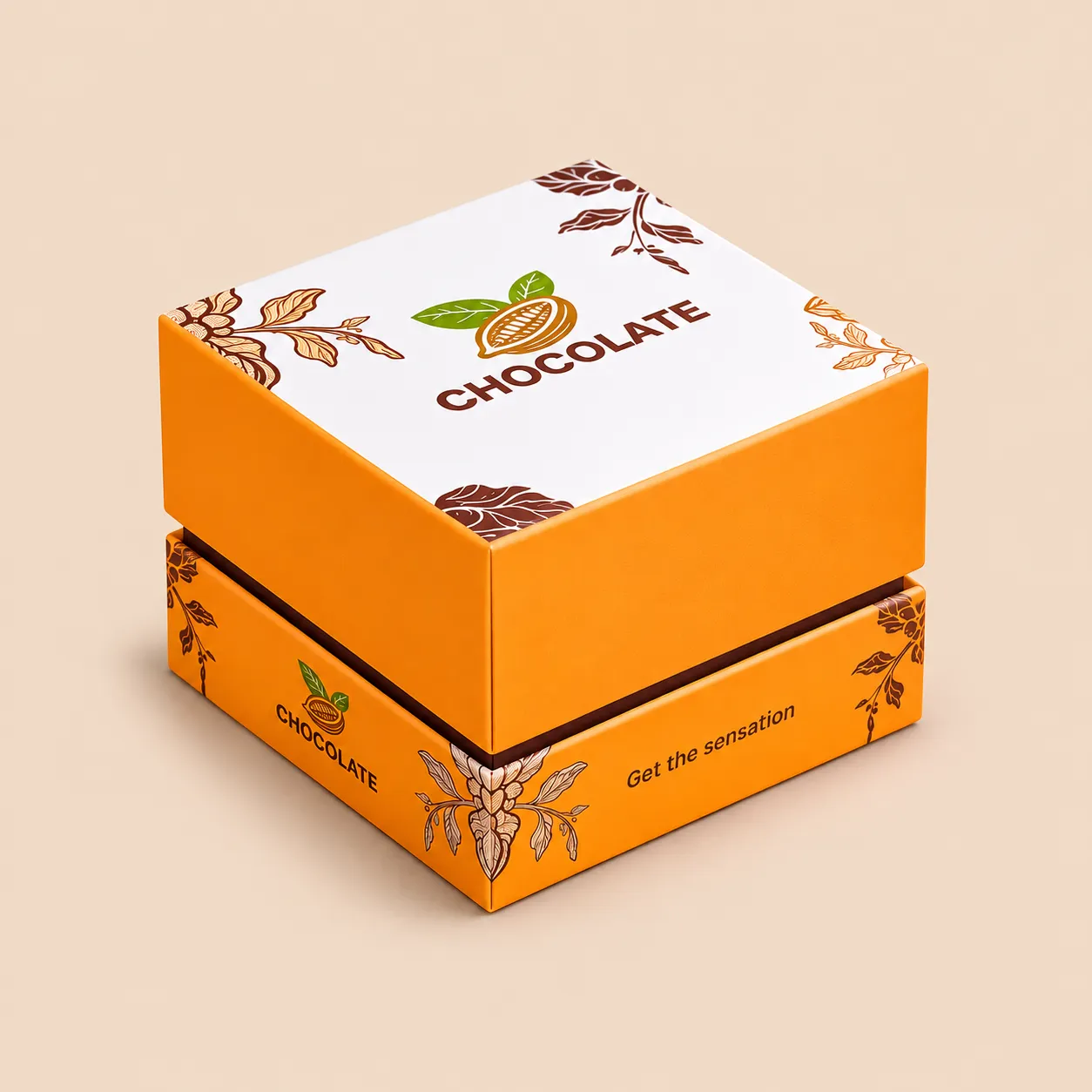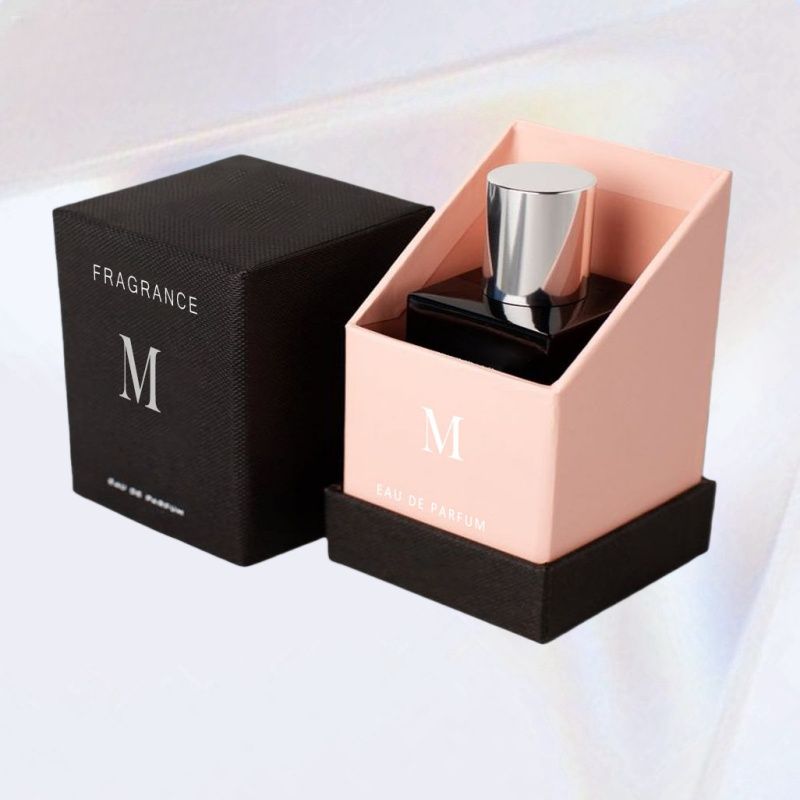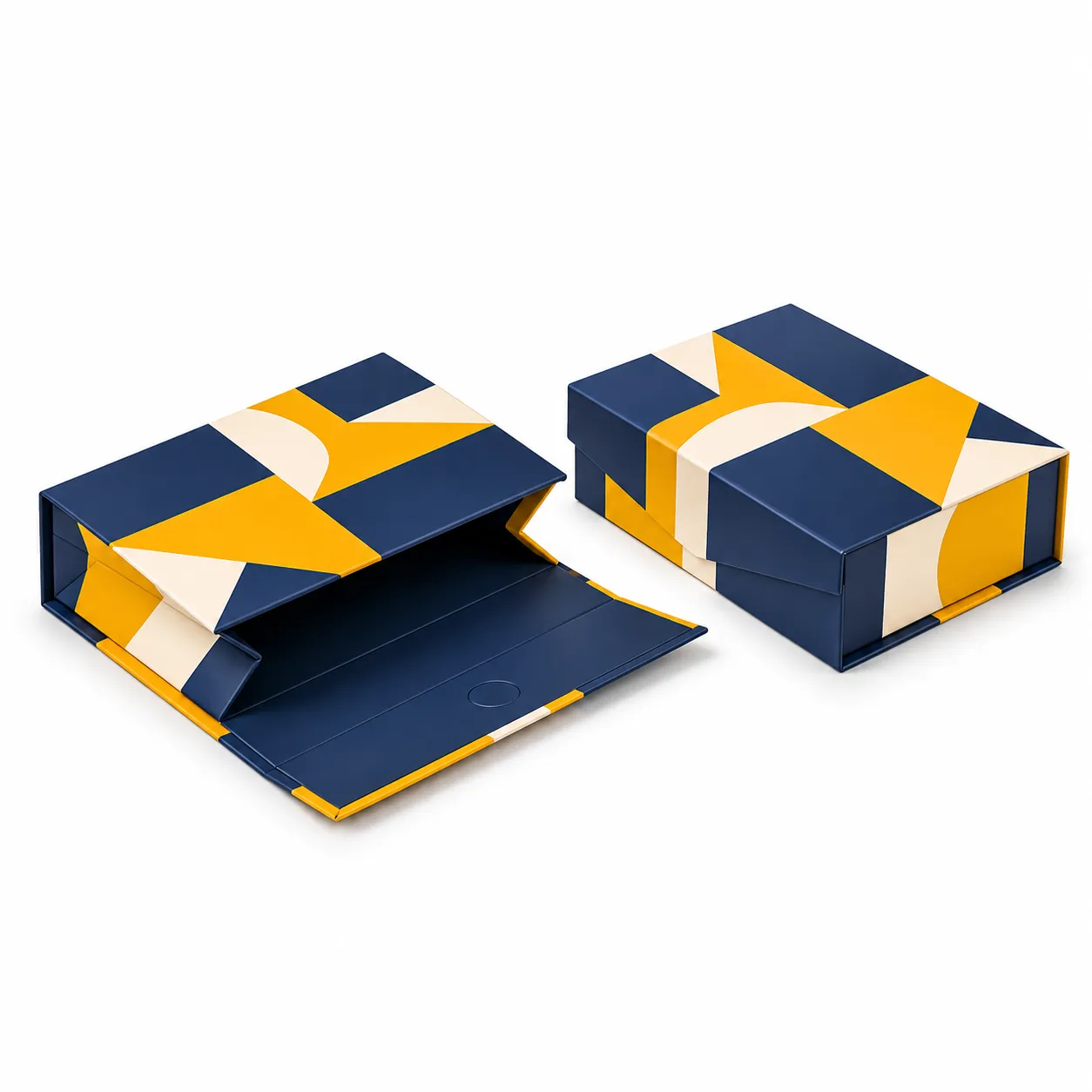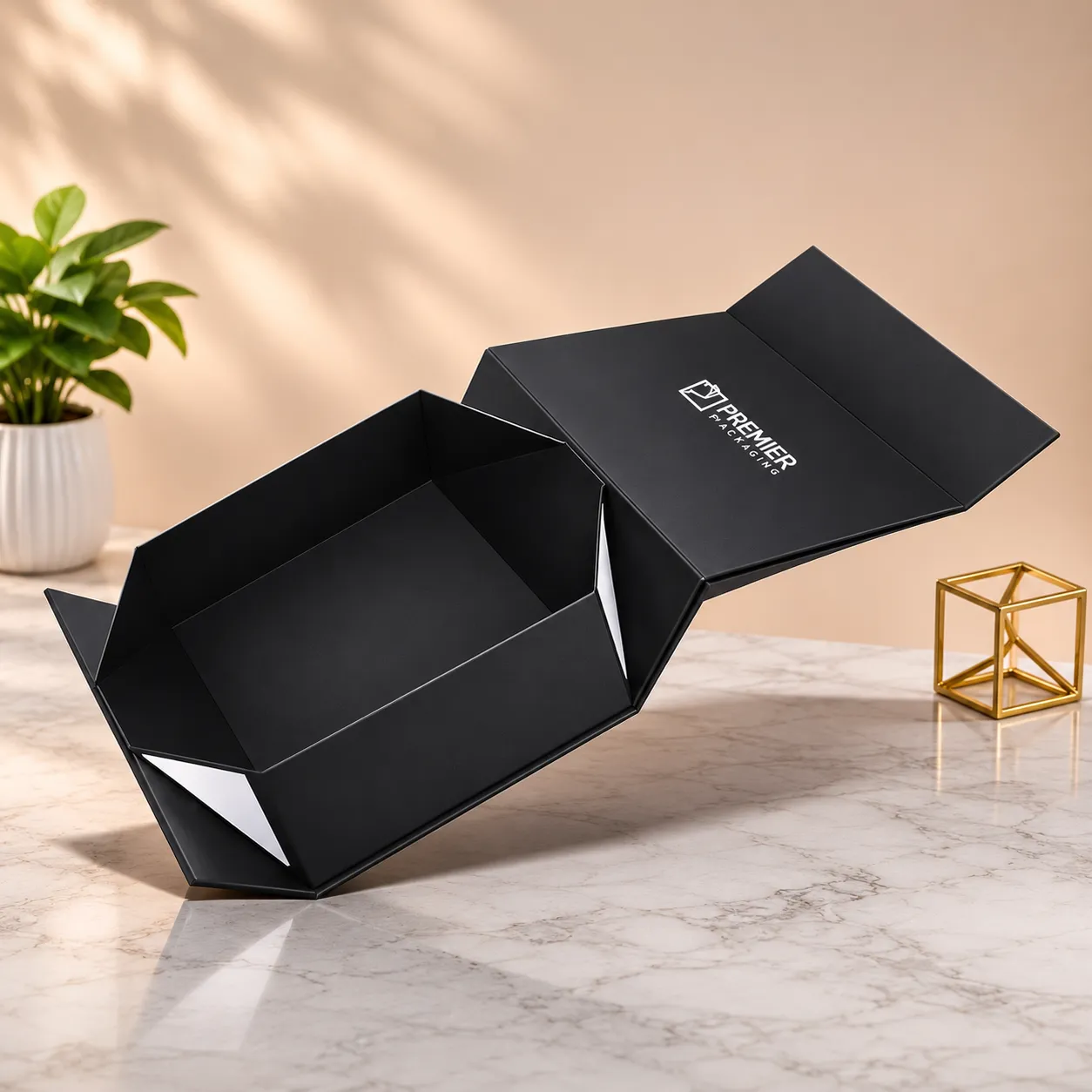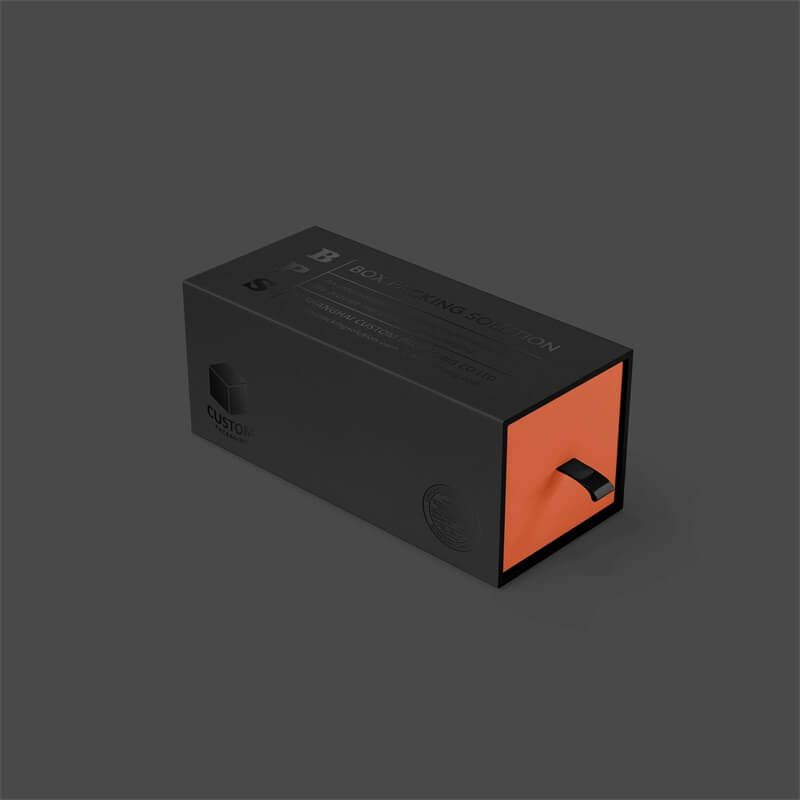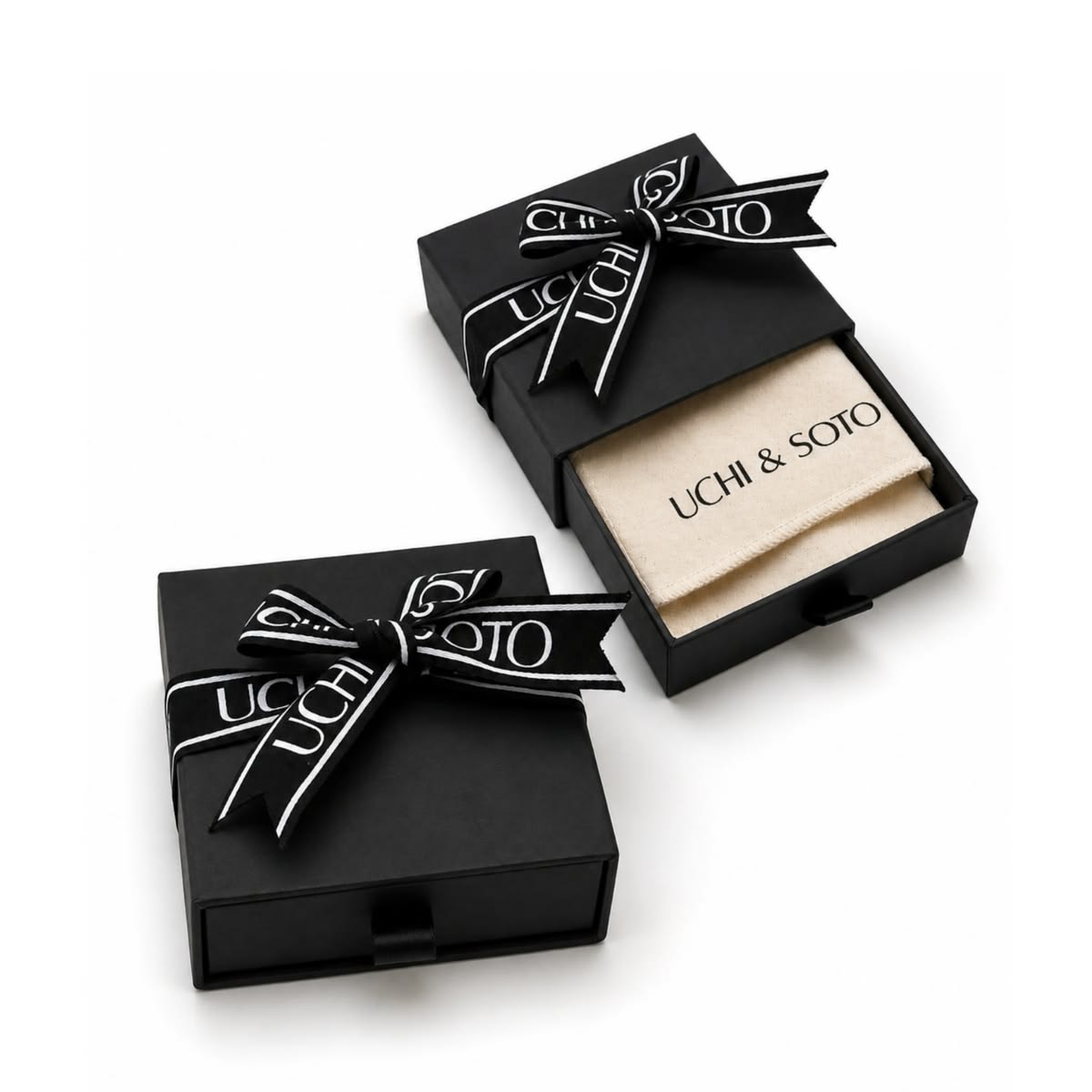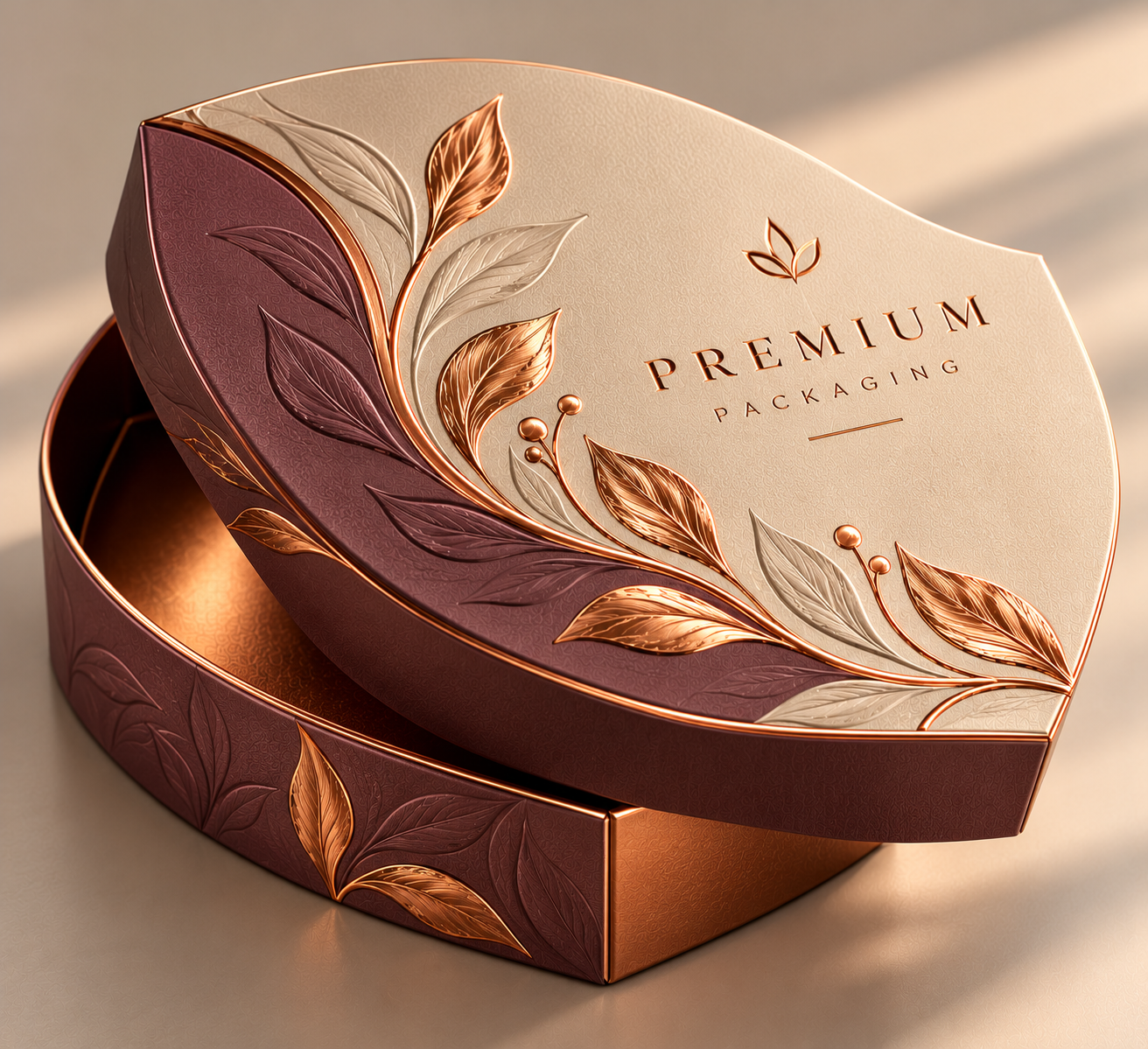

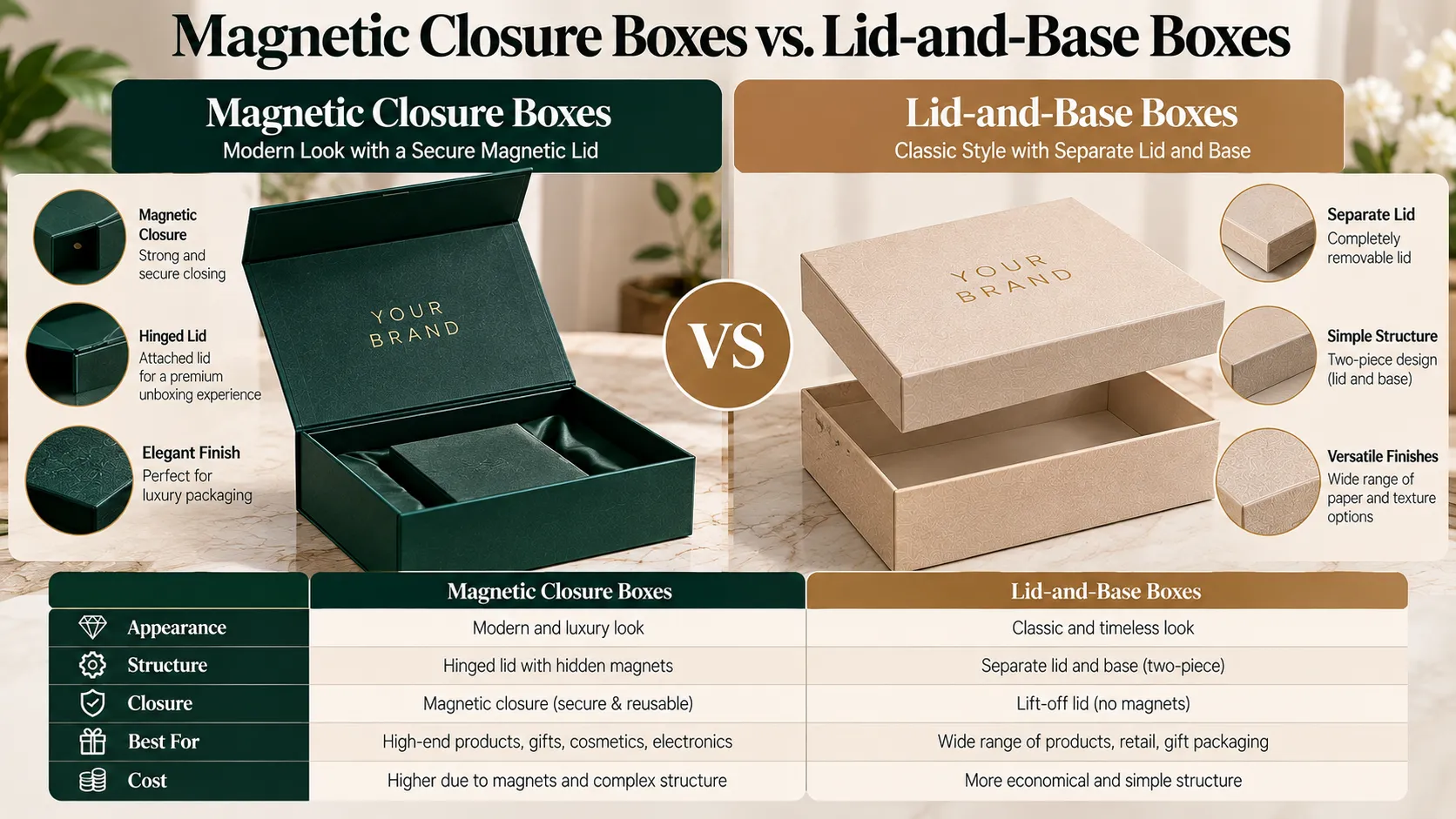








In “magnetic closure vs lid and base boxes” dilemma, the key point will be the way the box opens. A magnetic closure box means that the lid of the box attached to the base of the box will close magnetically, like the pages of the book. Lid and base boxes consist of two pieces, where the lid closes vertically on top of the base. The structure of these two products will not differ much because both boxes are premium rigid structures, and the choice will depend on your product, use, and shipping requirements.
To get more information about all options available, please see our article devoted to the types of rigid box structures. Our article will concentrate only on these two closures.
How Each Box Is Built
Magnetic Closure Box Construction
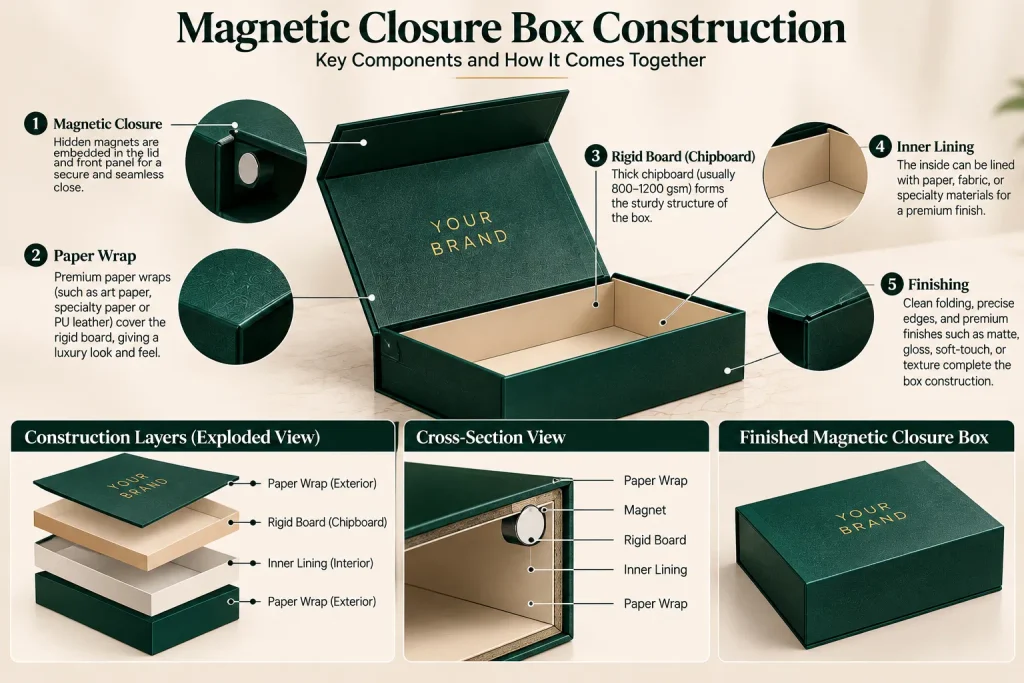
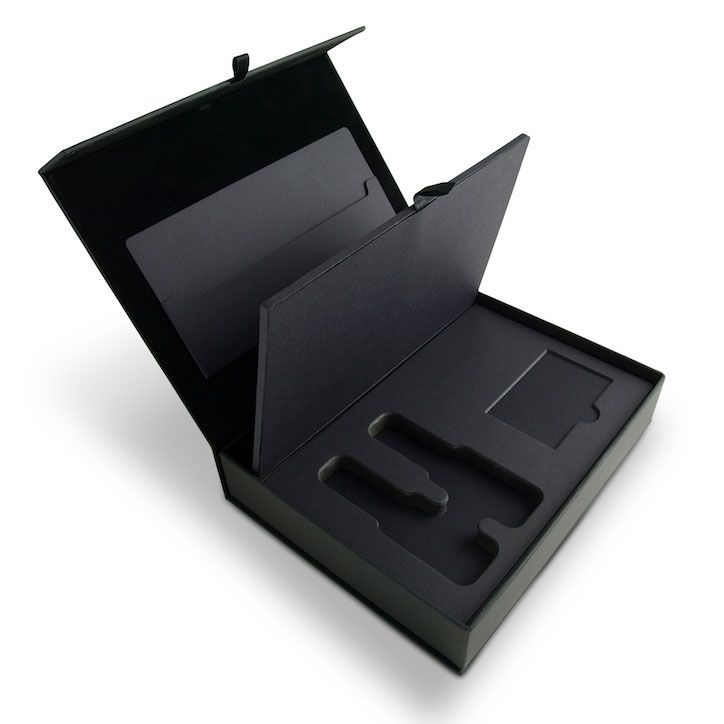
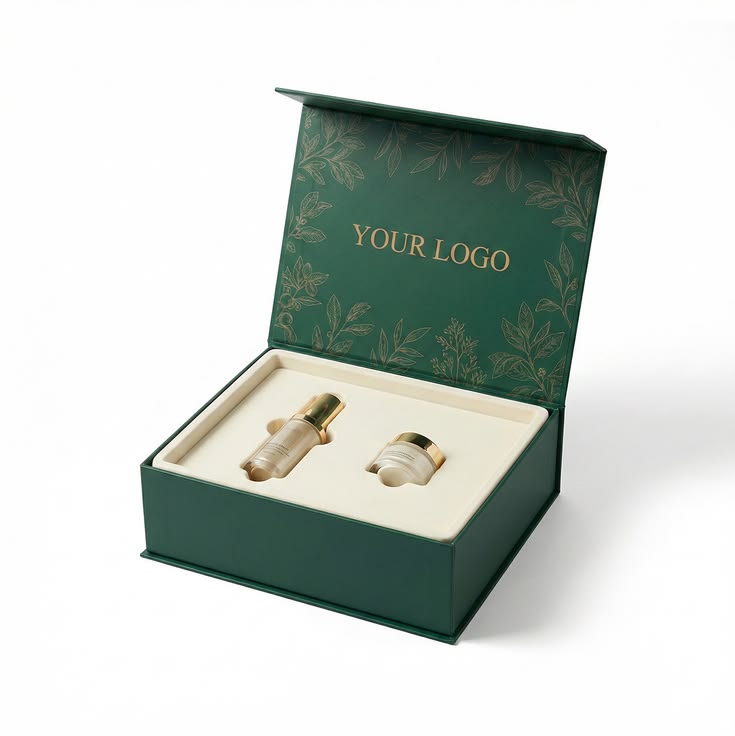
The construction of a magnetic closure box begins with a rigid base. A single panel of wrapped board is raised vertically along the back of the base and then folded to become a lid that hinges in place. Small magnets are inserted into the board beneath the wrapping, usually in the front of the lid and its corresponding front on the base. Closing the lid engages the magnets with a satisfying click.
The hinged lid causes an increase in the size of the base footprint. The wrap serves as one contiguous surface covering the entire piece, providing a large surface for design.
Lid-and-Base Box Construction
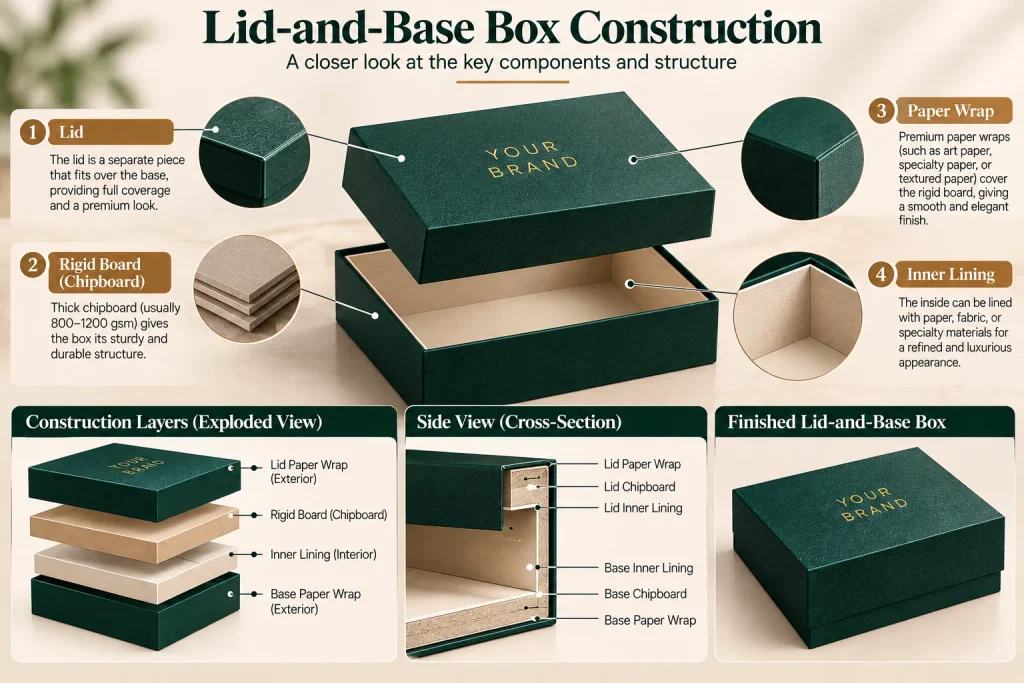
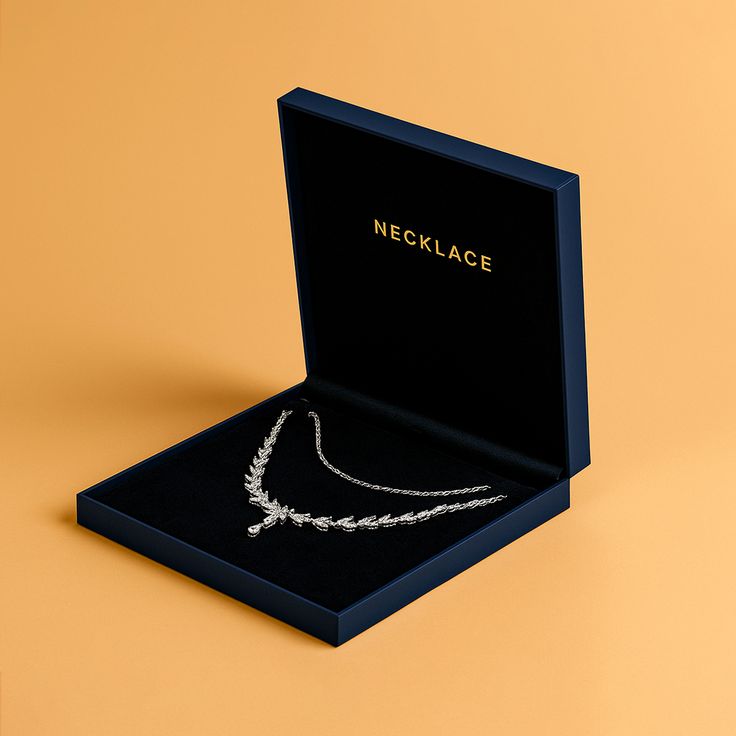
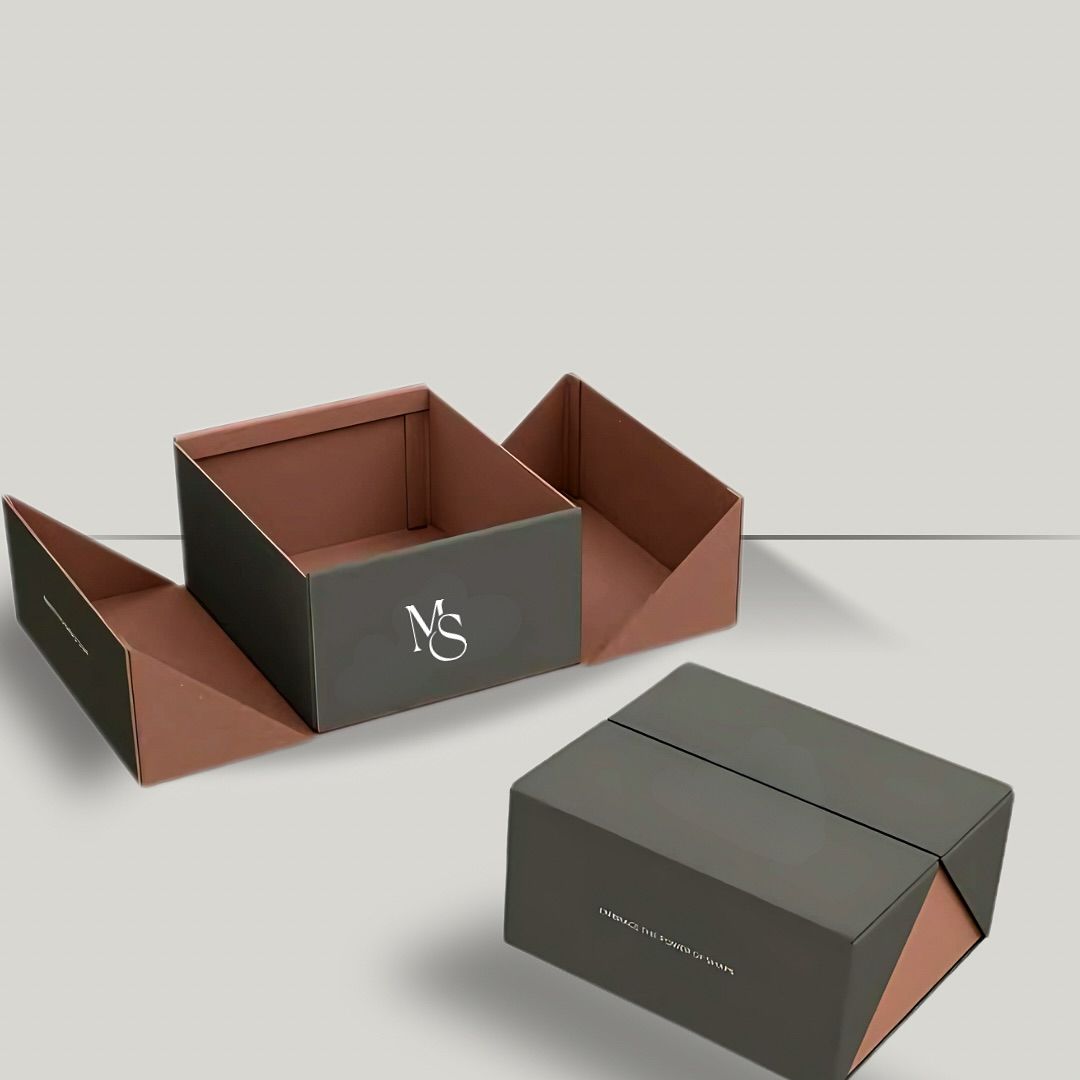
The lid-and-base box, otherwise known as the two-piece box, has two individually wrapped elements. The base element stores the product, while the lid is created a bit bigger to fit over the base. Lid may be shallow, covering only the top part, or full-depth.
Fit between the parts matters. Too tight, and the lid sticks. Too loose, and it slides off. A well-made lid settles slowly as air escapes, which is part of what makes two-piece lid-and-tray rigid boxes feel premium.
The Opening Experience
Opening styles for boxes influence how the first few seconds will unfold when a customer interacts with your product that is why it’s a very important choice.
Magnetic box closure: the customer pulls the top lid open from the front using slight magnetic force. Then it snaps open revealing the products inside. The box stays as one unit with the lid opening side up which turns into a surface for printing the message. Closing with a soft sound.
Lid and base: here the customer opens the lid by lifting it up with both hands. Opening is slower and more ritualized and the products are shown from overhead.
Magnetic box is a modern and quick option, whereas the lid and base option looks more traditional and ceremonial. Learn more about tissue, card, and insert sequences in our blog How to Design a Luxury Unboxing Experience with Rigid Boxes.
Use Cases for Each Style
Where Magnetic Closure Boxes Fit Best
Magnetic boxes are best if there is a need to constantly open and close the box or keep it even after buying. The commonest types of magnetic boxes include skincare products that are always left on the vanity, watches or any small electronic device, and perfumes that require a presentation style opening. In our blog article about different types of rigid boxes for perfumes, we have compared the magnetic boxes to other bottle types.
Magnetic closure gift boxes are also common in corporate gifts because of their reusable nature.
Where Lid-and-Base Boxes Fit Best
The lid-and-base box is perfect for products that need to be opened ceremonially, and those products having a tall or deep dimension. Examples include folded clothing in tissue, footwear, candles, and seasonal gift sets.
The rigid gift boxes in the lid-and-base design are the most popular choices among many brands in the mentioned categories since the complete lid gives the product a good frame. Our blog post on designing custom rigid gift boxes for Corporate Gifts and Premium Products will be helpful when thinking of your gift needs for clients or employees.
Inserts in Each Structure
Either of the two can include die cut inserts in foam, cardboard, or velvet type materials, but the insert works in a different way in both cases.
In the magnetic box, the product is visible to the consumer when the lid is opened, so the inserts are usually a shallow tray, revealing all at once. The interior of the lid can be used for printing or card pockets.
In a lid and base box, the product is seen from the top view. Bigger bases allow for layers like a tray of smaller objects on top of a bigger product. Companies requiring several compartments will start with rigid boxes with inserts and then select the closure.
Storage and Shipping
Magnetic boxes come completely assembled for shipping, no matter whether they are empty or filled up. Lid and base boxes also come assembled in most cases; however, empty lids and bases can, in some cases, be packed in a more space-saving way. Check with your supplier how boxes will be packaged for transportation.
A magnetic box always remains shut even if it is touched by anyone in a shop. With a lid and base box, some kind of seal will often be necessary in case someone lifts its lid.
Cost Factors
Every rigid box is quoted to its size and specification, so we do not publish fixed prices. These factors make the biggest difference:
- Components: Magnetic boxes require magnets and an extra complicated wrapping. Lid & base boxes will require two parts to be wrapped.
- Area of material: Full depth lid requires more board and wrapping than a shallow lid.
- Finishes & Inserts: Foil stamping, embossing, spot uv and foam inserts can increase the price of both types.
- Quantity: Generally speaking, unit price will decrease when order quantity increases.
Magnetic Closure vs. Lid-and-Base Boxes: Side-by-Side Comparison
| Factor | Magnetic Closure Box | Lid-and-Base Box |
|---|---|---|
| Construction | One piece, hinged lid, hidden magnets | Two pieces, lid over base |
| Opening | Lid swings open like a book | Lid lifts straight off |
| Reclosing | Snaps shut, stays together | Lid placed back on, can separate |
| Best for | Reuse, display, repeat opening | One-time reveals, deep products |
| Inserts | Shallow trays work well | Deep or layered inserts work well |
| Retail security | Stays closed with magnets | May need a band or seal |
Decision Checklist
Use these questions to select among rigid box closures:
- Do consumers plan to open and close the box multiple times? Go for magnetic.
- Is the item high, deep, or layered? Go for the lid and base.
- Do consumers plan to handle the box while it is on the shelf? The magnetic box will stay closed without any seal.
- Is the box intended for repeated use? Magnetic boxes are commonly used for storage.
- How much budget is left for finishes and inserts? You may use a simpler construction to create space for them.
Learn more about these and other gift box constructions in our rigid box closure styles section, or see our two-piece rigid boxes..
Frequently Asked Questions
What is the main difference between magnetic closure and lid-and-base boxes?
Magnetic Closure Boxes are designed in a single unit, where a hinged lid holds shut with the help of magnets embedded in the board. A Lid & Base Box consists of separate components, where the lid can be removed without hinges and simply taken off.
Which box style feels more premium?
Both are top-quality boxes made of rigid material. Texture relies mainly upon the factors of board weight and finishing of wrapping paper. Just select the way in which opening should take place.
Are magnetic closure boxes more expensive than lid-and-base boxes?
Not always. Magnetic boxes incorporate magnets and hinge, lid-and-base boxes require two wrapping parts, while full-depth lid requires additional materials. The size, finishes, inserts, and amount influence the cost rather than the closing type.
Which style is better for shipping?
They both come already assembled and should be shipped inside the external packaging for mailing purposes. With magnetic boxes, nothing prevents you from keeping your box closed all the way through shipping, whereas lid-and-base boxes will require banding or a sticker or sleeve.
Choose Your Closure and Get Pricing
Having established the method of opening the box by the consumers, the rest of your specifications will follow easily. You can contact our complimentary design support team for selecting the right structure, inserts, and finishes. Request a quote with your product’s dimensions and desired box closure type.