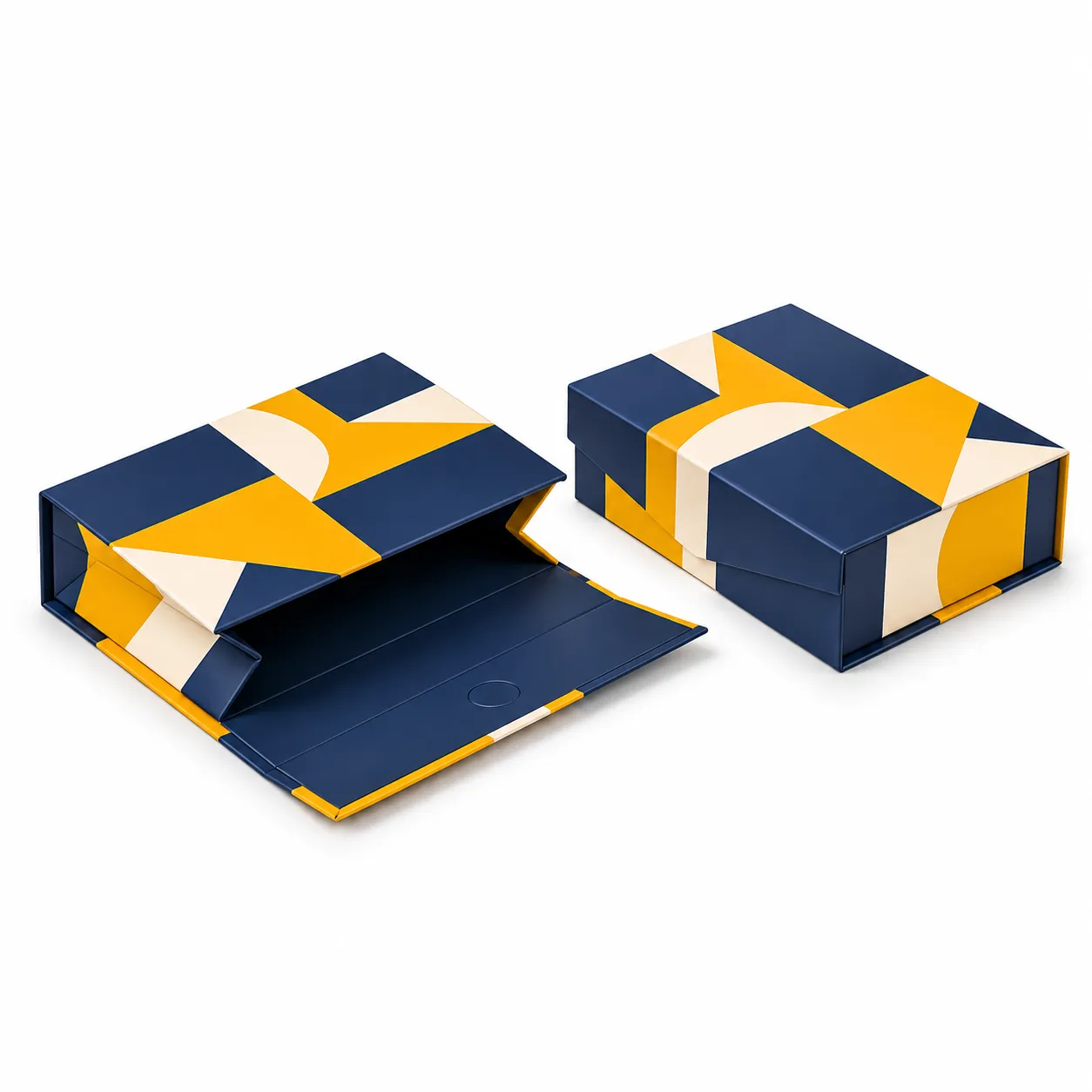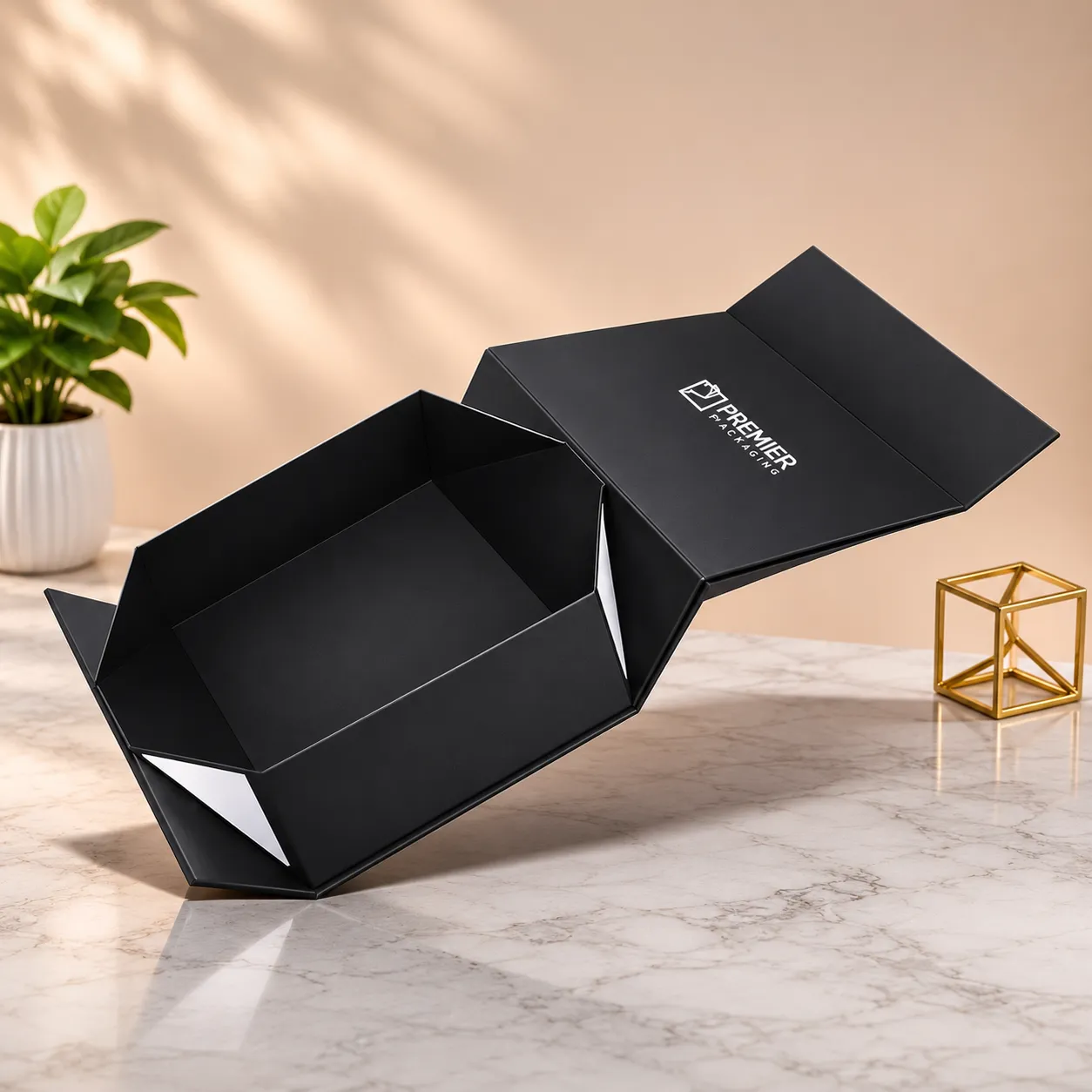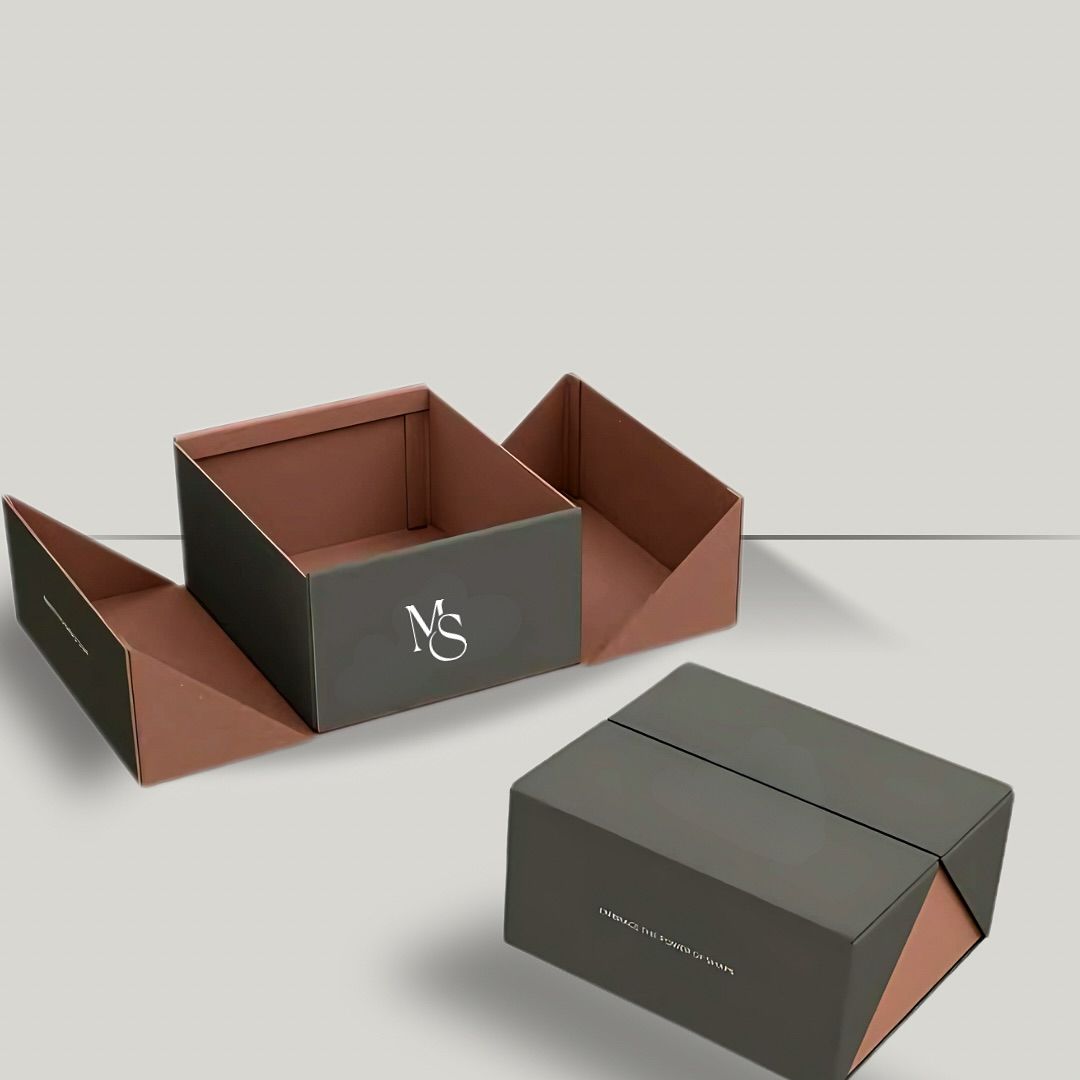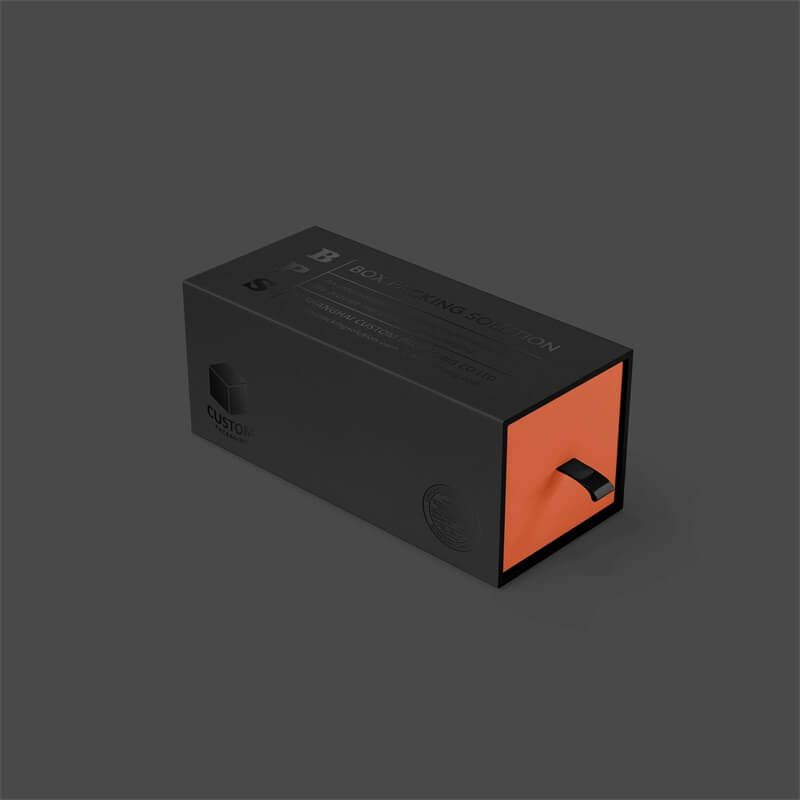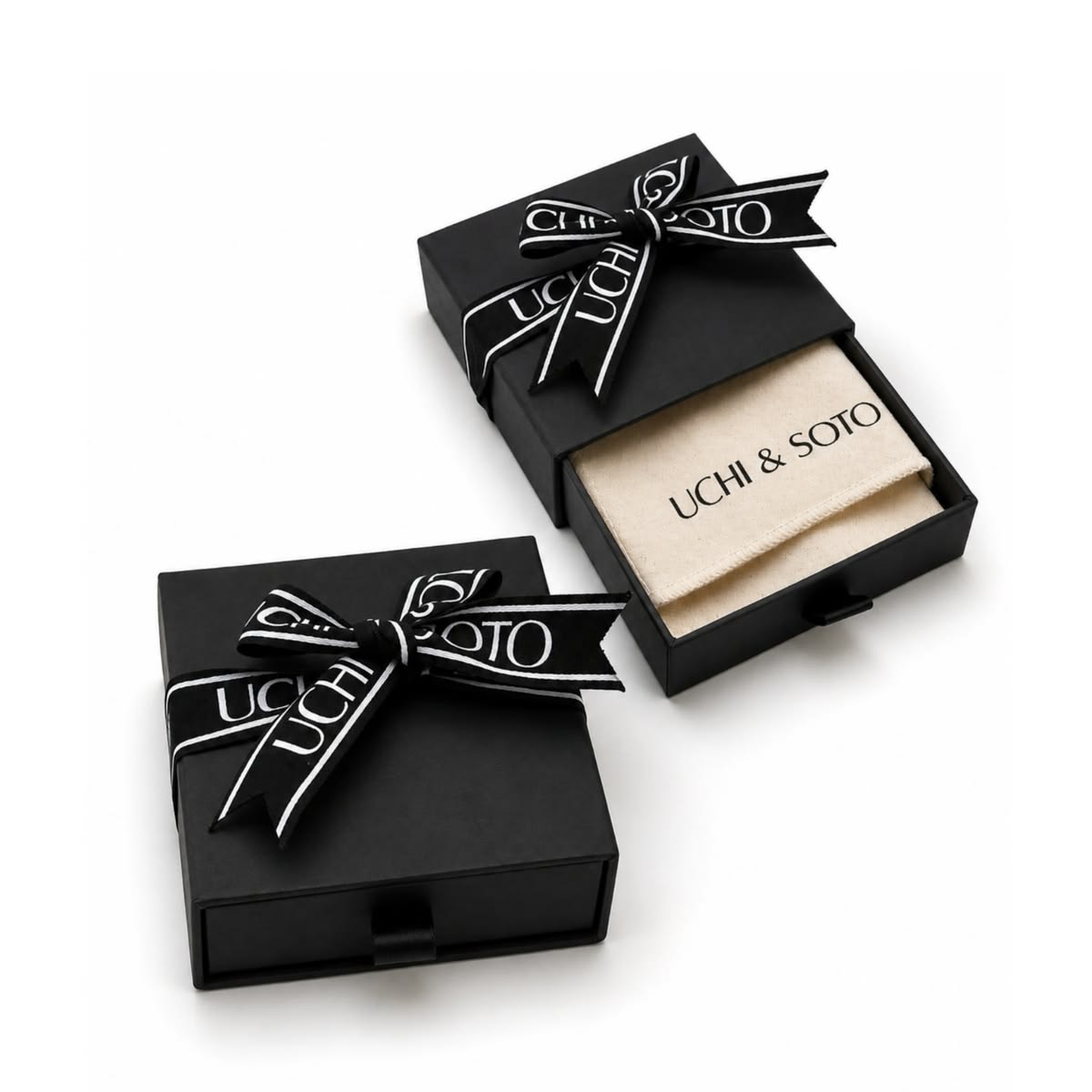


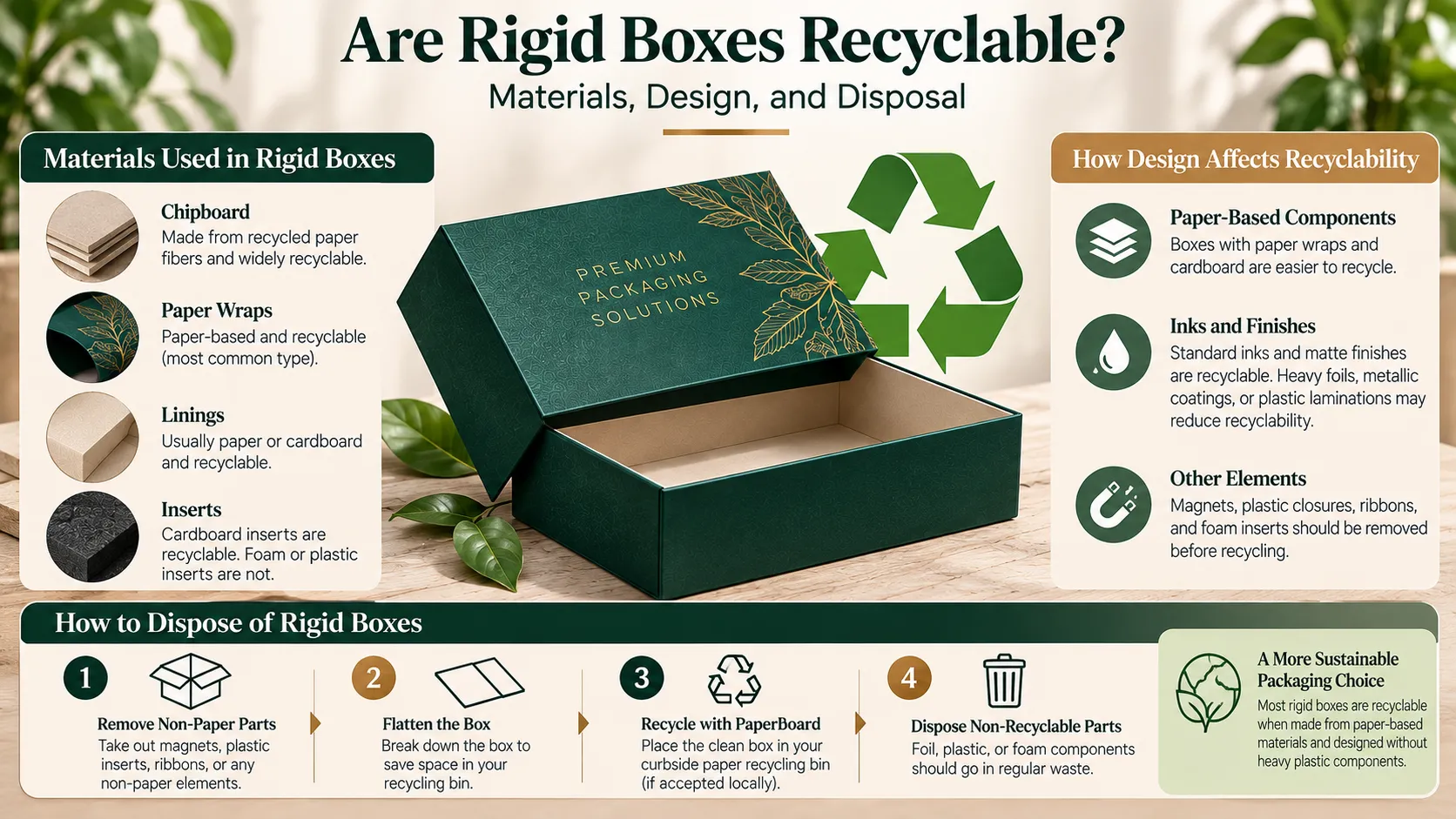








Yes, many times. If a rigid box is recyclable will depend on what it is made of and what is acceptable through your local recycling program. A rigid box that is constructed from a paper board base and an uncoated paper wrap will be a completely different scenario than a rigid box that has plastic film lamination, foil, magnets, and foam inserts.
What a Rigid Box Is Made Of
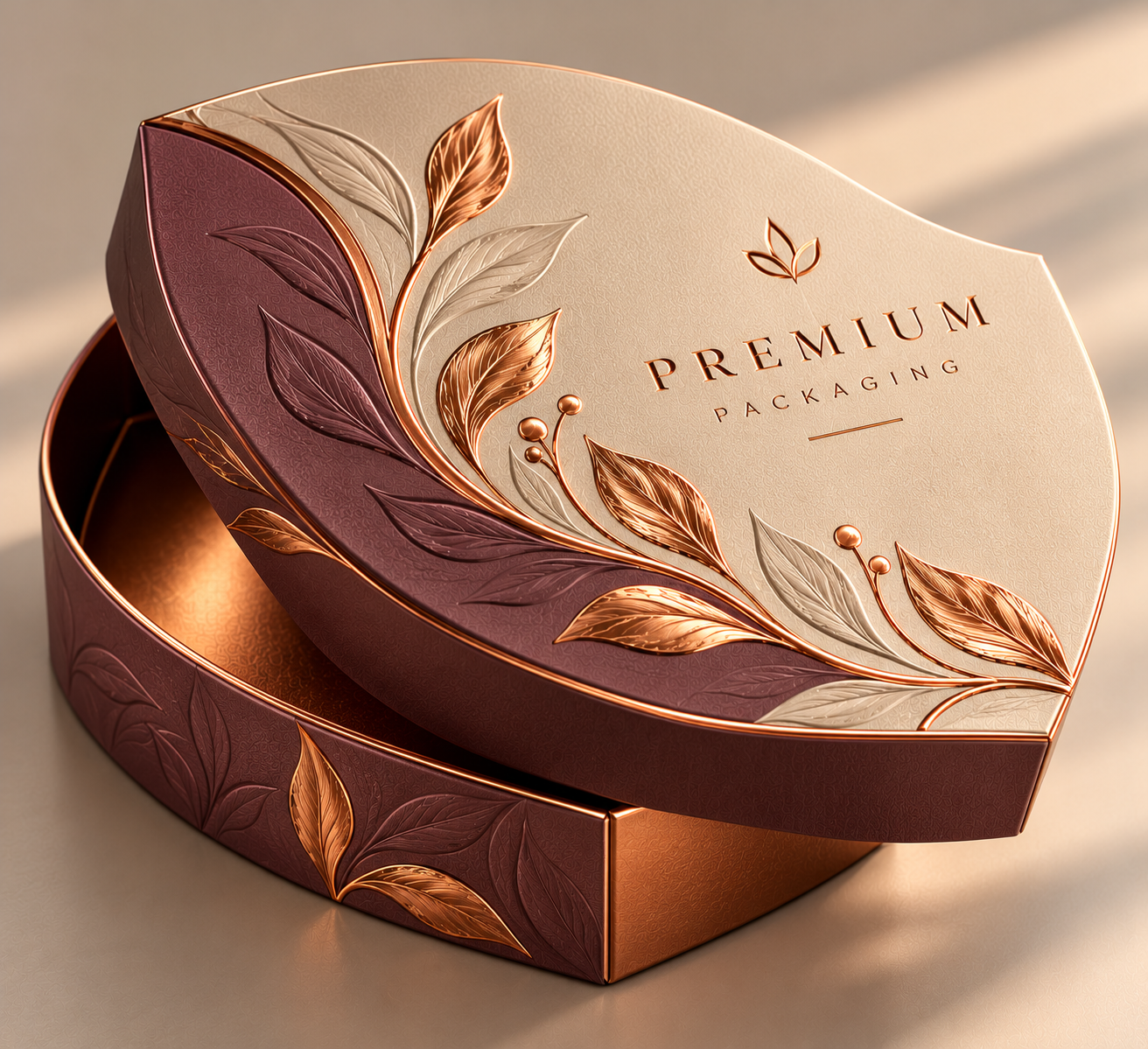
The construction of most rigid boxes is similar. It consists of a thick board core that is sometimes referred to as greyboard or chipboard. Printed or other specialty papers are placed on the outside, and a paper lining is put inside. Our guide to materials used in rigid boxes discusses each of the layers.
Both the board and the wrap are made of paper fibers that is exactly what makes recycling paperboard so easy. It is the additional materials that complicate the process.
Coatings, Lamination, and Foil
Surface treatments are where recyclability differs the most.
- Film Lamination: Matte, gloss, and soft touch laminations are usually thin plastic films applied to paper. Lightly laminated paper may be accepted by some programs, but not by others.
- Heavy foil treatment: The small foil stamping is just a small part of the surface. Heavily foiled paper is rarely accepted in curbside paper recycling.
- Varnish and Spot UV: These treatments are thin, but their treatment by different recycling programs varies.
Lamination is common for its resistance to scratches and luxurious look. If easy disposal is important, uncoated textured papers with embossing or debossing can have the same luxurious look. Our article on rigid box printing and finishes demonstrates all options.
Inserts and Other Components
The inserts and hardware are typically what can’t go in the recycling bin along with the box itself.
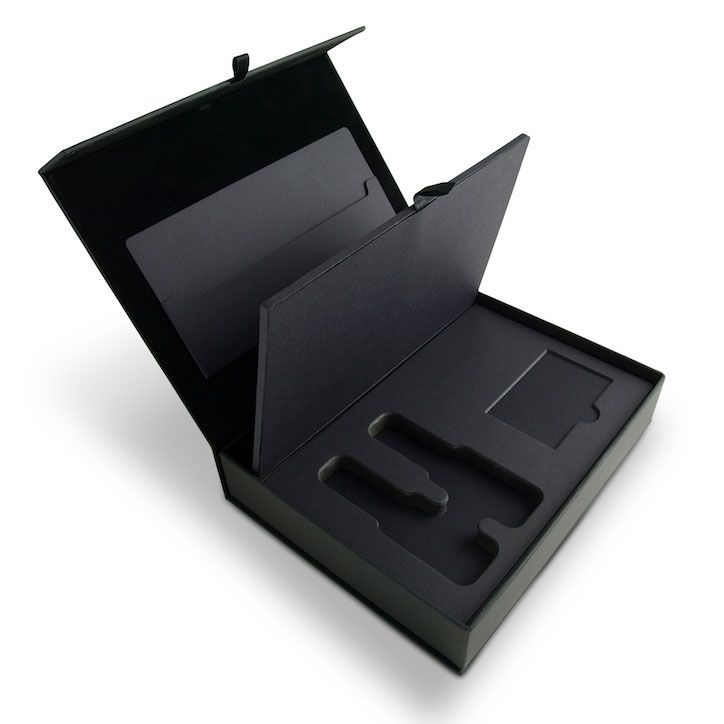
- Foam inserts: PE, PU and EVA foams typically aren’t recyclable through curbside paper recycling.
- Paperboard inserts: These are made out of paper and easier to recycle, subject to local regulations.
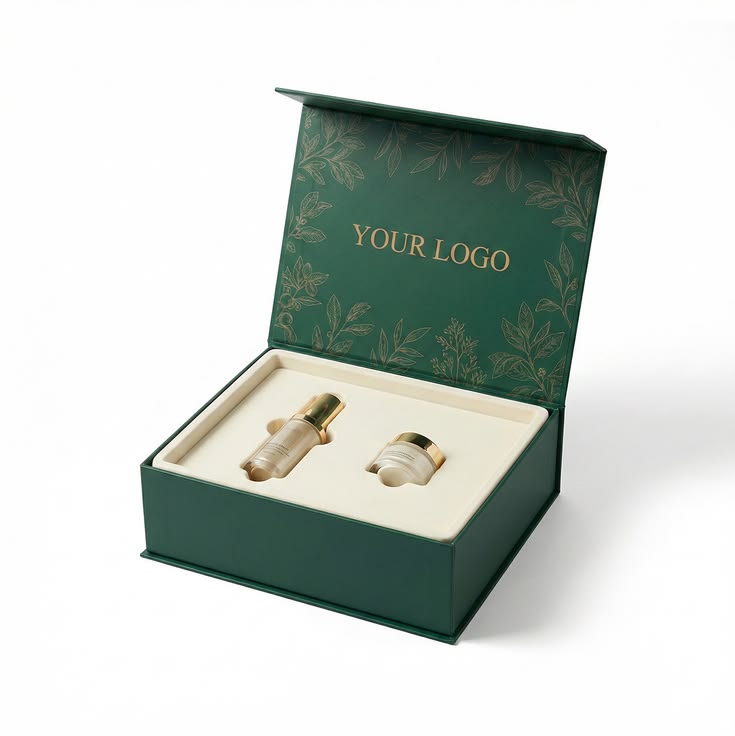
- Velvet-type linings: These are fabrics/flocked materials laminated to paper, making it more difficult to recycle.
- Magnets, ribbons, and plastic windows: These are different materials, and some programs require removing these prior to recycling.
Such products as those utilizing velvet or foam, including rigid jewelry boxes are a great example. The insert is what protects and showcases the product, and the consumer will typically have to separate this part prior to recycling the box.
Material Separation
Material separation involves making sure that the design of the box allows easy separation of the components after usage. The separation of the foam insert which fits inside a paperboard box is easy, but the separation of the foam layer glued permanently to the box bottom is not.
Knowing the construction of rigid boxes, especially where glue and stay tape are located, will help you identify which materials are bonded together and which are separable. Separation provides paper components with better chances of acceptance and reduces confusion for the consumer who holds the box.
Are Rigid Boxes Recyclable Everywhere? Why Local Rules Matter
There is no set national standard as to what items are accepted in curbside programs in the US. What is accepted depends on the local curbside program and the facilities that it accepts, so an item accepted in one town may not be accepted in another.
This is the reason why claims about recyclability should be qualified. “Check your local program” is much more accurate than a general claim. If you intend to make a claim about recycling on your package, consider the actual materials used and the Green Guides.
Design Choices That Support Recycling
For disposal ease, consider:
- Choose paper-based wrap, liner, and insert material as appropriate for the product.
- Avoid full-lamination or foil and use embossed or accent foiled printing instead.
- Remove inserts rather than having them glued down.
- Do not bond fabric or plastic to board material unless necessary.
- Give clear instructions on the box bottom lid, like “Remove insert for box recycling.”
These considerations are important when it comes to packaging your campaign where a lot of homes will get it at once. Take PR rigid boxes for example they frequently arrive in recipients’ bins after just a few days.
There are structures to learn about in our rigid packaging recyclability page and product page. When comparing manufacturers, consider what kind of material each component is made of and whether the components are separable. Here’s another set of questions How to Choose a Custom Rigid Box Manufacturer in the USA.
Frequently Asked Questions
Are rigid boxes recyclable in curbside bins?
Many rigid boxes can go in curbside paper recycling once non-paper parts are removed, but acceptance depends on your local program. Plain board with an uncoated wrap is the most likely to be accepted. Boxes with plastic lamination, heavy foil, or attached foam may be rejected.
Is laminated packaging recyclable?
It depends on the lamination and your local program. Many laminations are thin plastic films bonded to paper, and programs differ on whether they accept them. Uncoated or textured papers with embossing are an alternative if recyclability matters to your brand.
Can foam inserts be recycled?
Foam inserts are generally not accepted in curbside paper recycling, and drop-off options for foam vary widely by area. If you want easier disposal, consider paperboard inserts where they give enough protection, and make any foam insert easy to remove.
Do I need to remove magnets before recycling a magnetic box?
Programs differ. The magnets in magnetic closure boxes are small and embedded in the board, and some facilities ask that metal parts be removed. When in doubt, check with your local program before placing the box in a paper recycling bin.
Plan a Box That Is Easier to Dispose Of
The more you decide at the design stage, the easier disposal becomes for your customers. Request a quote with your product details and disposal goals, and our team will walk you through the material choices.