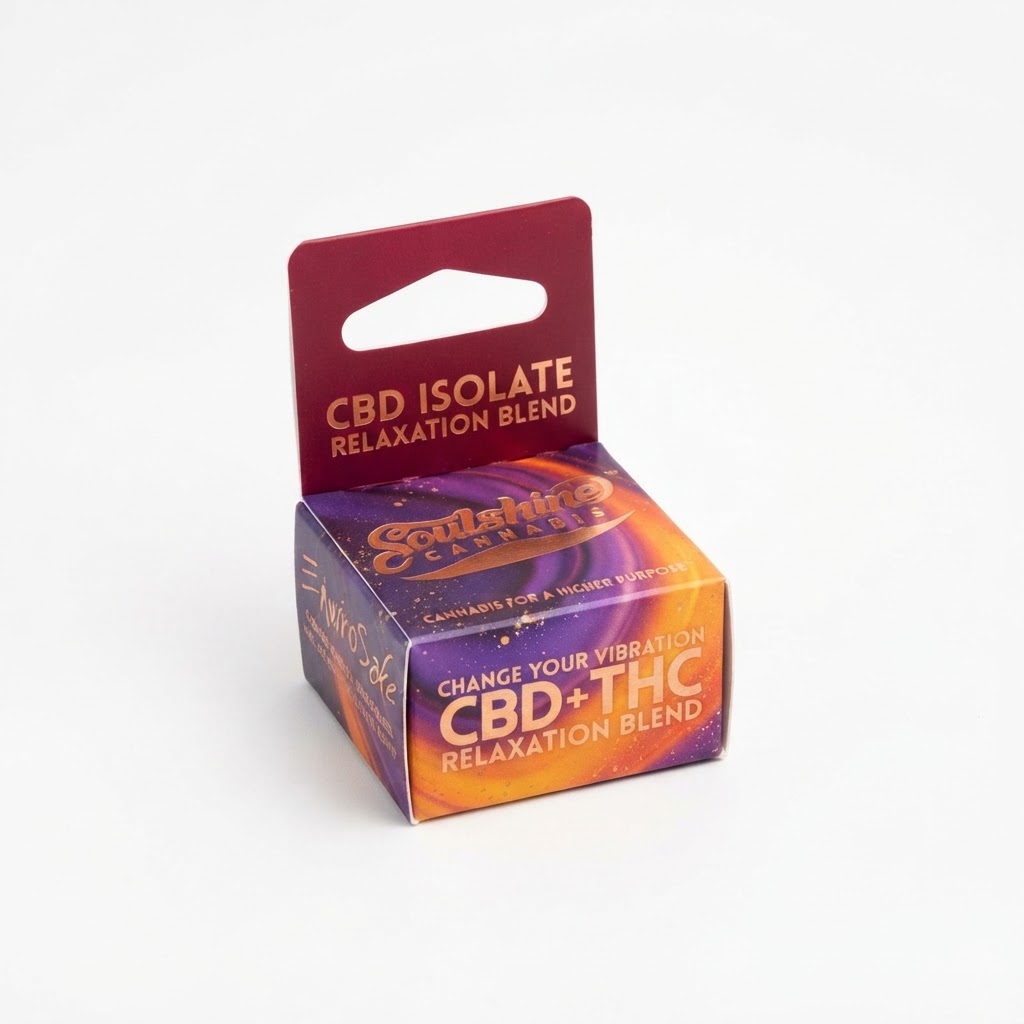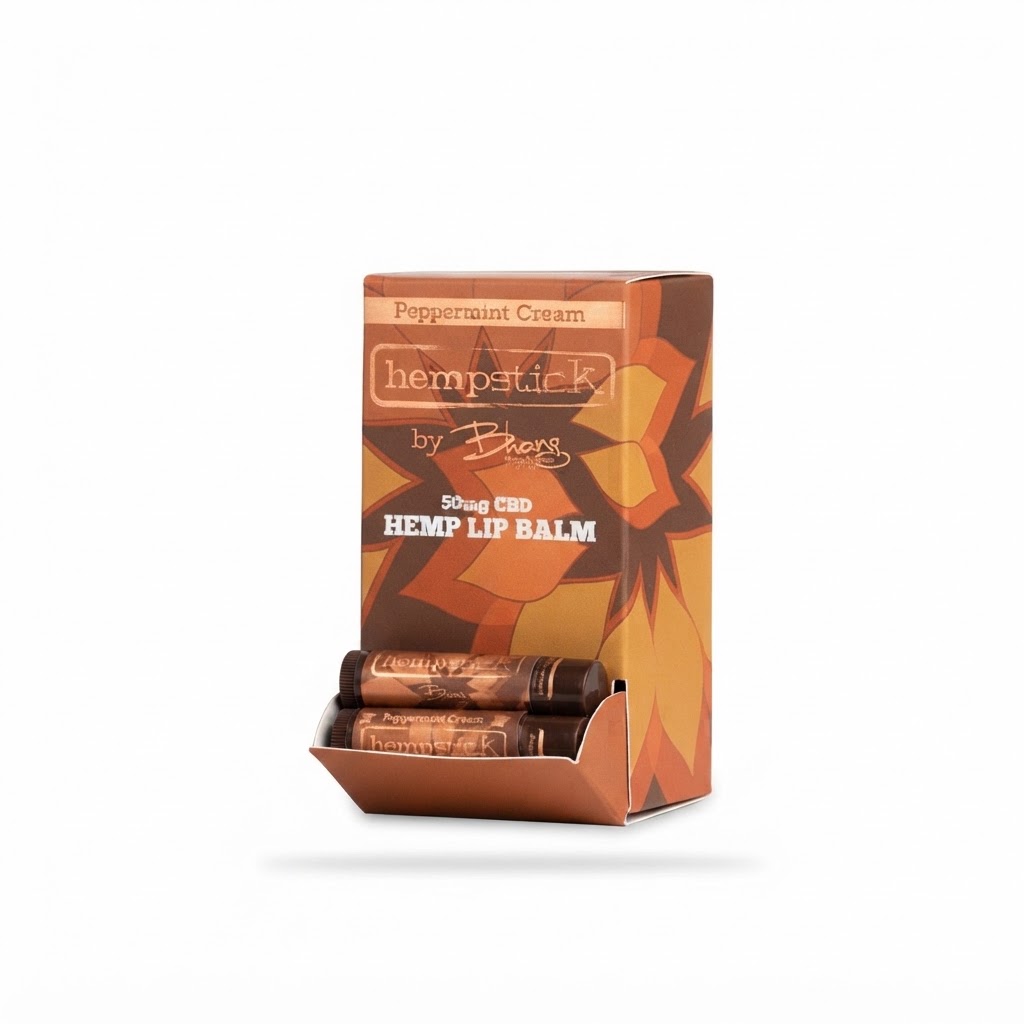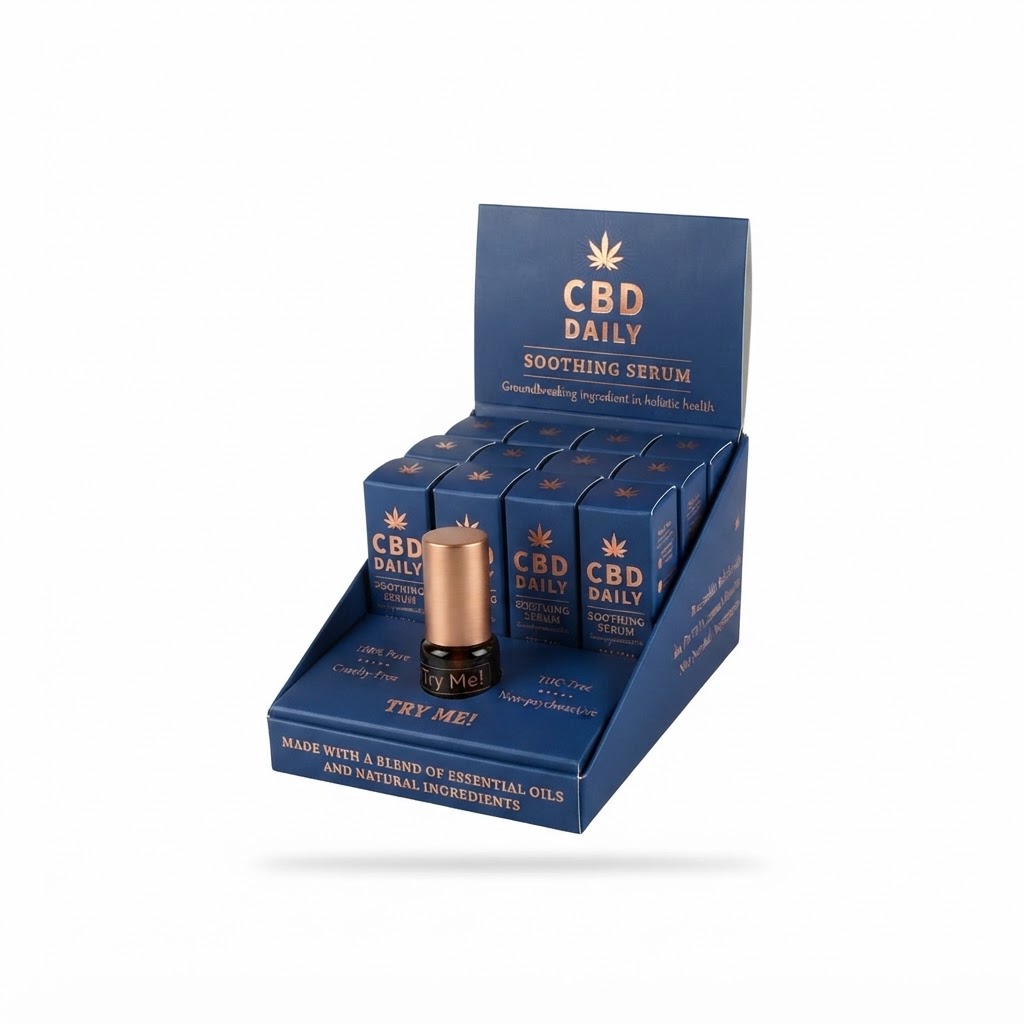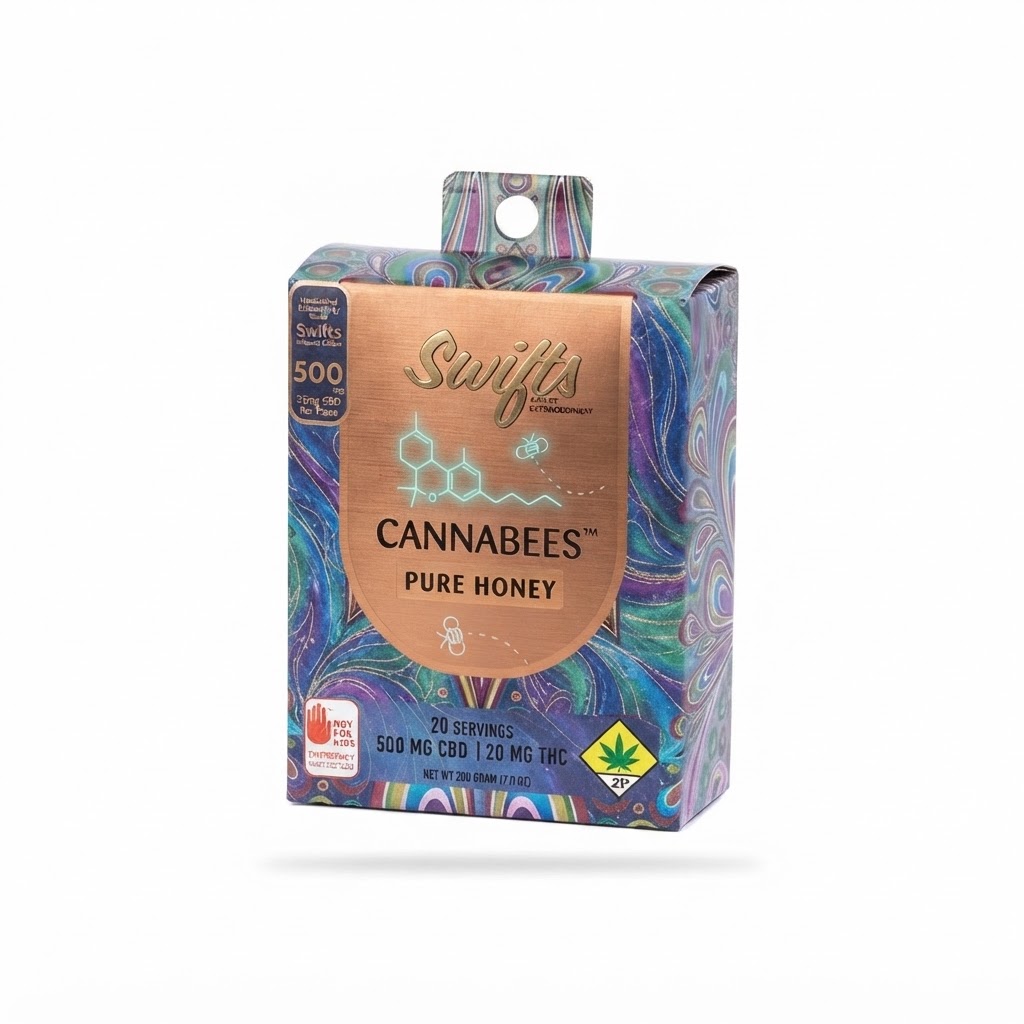


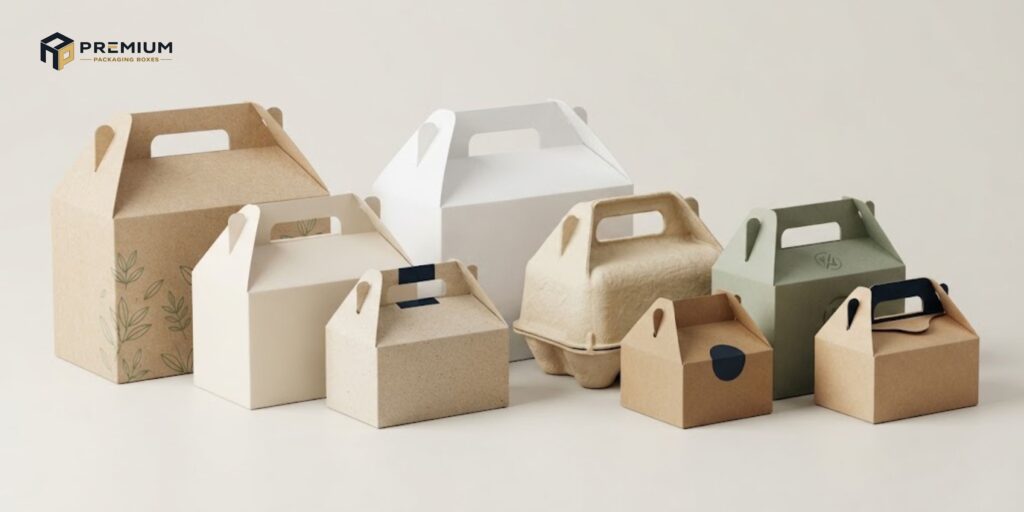






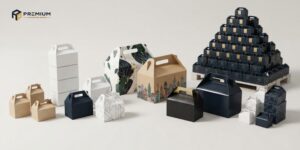
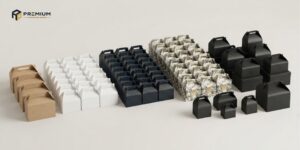
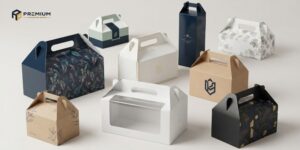
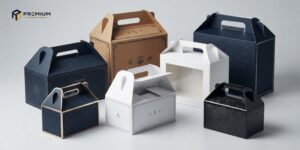

Eco-friendly gable boxes give businesses a practical way to reduce reliance on conventional plastic packaging while maintaining the convenient handled structure of a traditional gable box. Depending on the selected material and construction, businesses can choose recyclable paperboard, kraft board, recycled content, or other suitable fiber-based packaging materials.
The right sustainable packaging choice depends on more than simply using the word “eco-friendly.” Material composition, coatings, inks, recyclability, product requirements, and end-of-life disposal all matter when evaluating packaging sustainability.
For businesses looking for a fully customized option, start with Custom Gable Boxes.
What Are Eco-Friendly Gable Boxes?
Eco-friendly gable boxes are paperboard-based packages designed with sustainability considerations in mind.
Their peaked structure and integrated handle provide portability without automatically requiring a separate plastic shopping bag.
Depending on the specification, sustainable gable packaging can use:
- Kraft paperboard
- Recycled paperboard
- Recyclable paperboard
- FSC-certified paper materials
- Fiber-based packaging stocks
- Suitable biodegradable materials
- Water- or low-impact coating options where appropriate
- Soy-based or other suitable printing inks
The important point is that sustainability is determined by the complete packaging specification, not simply the material name.
What Makes Gable Packaging More Sustainable?
Several elements can influence the environmental profile of a package.
1. Fiber-Based Materials
Paperboard and kraft materials are widely used as alternatives to plastic-heavy packaging.
2. Recyclability
A package made primarily from suitable paperboard may be recyclable where local recycling systems accept the material.
3. Recycled Content
Using recycled board can help incorporate recovered fiber into the packaging supply chain.
4. Responsible Sourcing
Materials sourced through recognized forestry certification systems can support responsible forest management.
5. Reduced Plastic
A paperboard gable structure can reduce the need for separate plastic bags or plastic-heavy outer packaging.
6. Efficient Shipping
Gable boxes can be supplied flat, allowing businesses to store and transport unassembled boxes efficiently.
For a deeper comparison of packaging materials, see our Best Materials for Gable Boxes: Kraft, SBS, Paperboard & Corrugated Compared guide.
Recyclable Gable Boxes
Recyclable gable boxes are generally made from paperboard or other fiber-based materials that can enter appropriate recycling streams.
However, recyclability depends on the complete construction.
Factors can include:
- Paperboard composition
- Recycled content
- Coatings
- Laminations
- Foil
- Window materials
- Adhesives
- Local recycling infrastructure
For this reason, businesses should evaluate the finished package rather than assuming every paperboard box is automatically recyclable.
Biodegradable Gable Boxes
Biodegradable gable boxes are designed using materials that can break down through biological processes under appropriate conditions.
However, biodegradable does not necessarily mean:
- Home compostable
- Industrially compostable
- Recyclable
- Suitable for every disposal system
These terms describe different end-of-life characteristics.
Therefore, businesses should choose materials according to the disposal infrastructure available to their customers and target market.
Plastic-Free Gable Packaging
One major benefit of fiber-based packaging is the potential to create a plastic-free packaging solution.
A paperboard gable box can provide:
- Box structure
- Carry handle
- Printed branding
- Product containment
- Retail presentation
without necessarily requiring a separate plastic shopping bag.
However, businesses should assess the entire packaging specification including coatings, windows, adhesives, and accessories when making a plastic-free claim.
Kraft Gable Boxes and Sustainability
Kraft paperboard is one of the most recognizable materials associated with natural and sustainable packaging.
Its unbleached appearance gives packaging an organic visual identity that works well for:
- Bakeries
- Cafes
- Natural food brands
- Handmade products
- Gift shops
- Farmers-market products
- Eco-conscious retail brands
Kraft can also provide a strong contrast with printed logos and selected specialty finishes.
For a direct comparison of packaging materials, see our Kraft Gable Boxes vs. White Gable Boxes: Which Is Better for Your Brand? guide.
Recyclable Paperboard vs. Kraft Paperboard
Both materials can support sustainable packaging strategies, but they communicate different visual and functional characteristics.
| Feature | Kraft Paperboard | Recyclable Paperboard |
| Natural appearance | Strong | Depends on grade |
| Brand aesthetic | Organic/rustic | Clean/versatile |
| Printing | Good | Often excellent |
| Sustainability positioning | Strong | Strong when appropriately specified |
| Premium appearance | Design-dependent | Design-dependent |
| Food applications | Suitable grades available | Suitable grades available |
| Recyclability | Depends on construction | Depends on construction |
The correct choice should be based on the product, printing requirements, structural needs, and intended disposal route.
FSC-Certified Materials
Forest certification can be an important consideration for businesses concerned with responsible sourcing.
FSC-certified materials can help businesses source paper and paperboard from supply chains associated with responsible forest management.
However, certification should be verified for the specific material and supplier rather than assumed from the general use of paperboard.
For businesses communicating sustainability claims, accurate certification information is essential.
Soy-Based Inks and Sustainable Printing
Printing is another part of the packaging specification that businesses may evaluate when developing more environmentally conscious packaging.
Soy-based inks can be considered as an alternative ink formulation for suitable printing applications.
Other factors to consider include:
- Ink composition
- Coverage
- Printing method
- Drying process
- Coatings
- Finishing
- Recyclability of the final package
Sustainable printing should therefore be considered as part of the complete packaging system rather than treated as a standalone feature.
For printing options, see our Custom Printed Gable Boxes: Printing Methods, Finishes & Branding Options guide.
Eco-Friendly Gable Boxes for Food Packaging
Sustainability and food safety need to work together.
Food brands may want packaging that is environmentally responsible while also providing appropriate protection against:
- Grease
- Moisture
- Condensation
- Product contamination
- Handling during transport
The material and any coating should therefore be selected according to the intended food application.
Common applications include:
- Bakery products
- Takeaway meals
- Cookies
- Sweets
- Pastries
- Cakes
- Gift food sets
For food-specific packaging information, see our Gable Boxes for Food Packaging: Materials, Uses & Customization guide.
For safety considerations, see our Are Gable Boxes Food Safe? Materials, Coatings & Packaging Considerations guide.
Are Eco-Friendly Gable Boxes Suitable for Takeout?
Yes, suitable fiber-based gable packaging can be used for takeaway applications when the selected material and construction meet the requirements of the food being packaged.
For takeaway products, businesses should consider:
- Grease resistance
- Moisture resistance
- Product temperature
- Weight
- Ventilation
- Closure strength
- Transport conditions
- Food-contact suitability
A package should not be selected solely because it is marketed as sustainable.
Eco-Friendly Gable Boxes for Retail
Retail brands can combine sustainability messaging with strong visual branding.
For example:
Kraft board + minimal ink coverage + simple logo + recyclable construction
can create a natural retail presentation.
Alternatively:
White paperboard + clean typography + certified material + recyclable structure
can provide a more contemporary sustainability aesthetic.
Sustainable Packaging Does Not Have to Look Basic
A common misconception is that sustainable packaging must use plain brown kraft board.
That isn’t necessarily true.
Eco-conscious packaging can incorporate:
- Custom colors
- CMYK printing
- PMS colors
- Minimalist artwork
- Embossing
- Debossing
- Foil accents
- Die-cut windows
- Custom sizing
- Branded handles
The key is selecting materials and finishing options that remain appropriate for the intended sustainability goals.
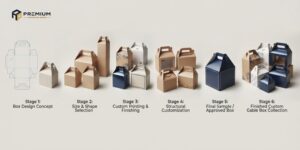
How to Design More Sustainable Gable Packaging
A practical approach is to consider sustainability from the beginning of the design process.
Step 1: Define the Product
Determine weight, dimensions, fragility, temperature, and product requirements.
Step 2: Select the Material
Compare kraft, recycled board, recyclable paperboard, and other appropriate substrates.
Step 3: Reduce Unnecessary Components
Avoid unnecessary inserts, excessive packaging layers, or oversized structures.
Step 4: Consider Printing
Choose an appropriate printing method and ink system.
Step 5: Evaluate Coatings
Only use coatings when they provide a necessary functional benefit.
Step 6: Review Accessories
Consider windows, handles, inserts, labels, and other components.
Step 7: Consider End of Life
Determine whether the finished package can realistically be recycled or otherwise disposed of through the target market’s available systems.
Sustainable Packaging vs. Simply Using Kraft
Using kraft paperboard can support a sustainability strategy, but the word “kraft” alone does not guarantee that a package is environmentally preferable.
A complete evaluation should consider:
Material → sourcing → printing → coatings → accessories → transportation → disposal
This broader view creates a more accurate sustainability strategy.
Benefits of Eco-Friendly Gable Packaging
Businesses may choose sustainable gable packaging because it can provide several advantages:
Reduced Plastic Dependency
The built-in handle can reduce the need for an additional carry bag.
Strong Brand Positioning
Sustainable packaging can support brands whose customers value environmental responsibility.
Natural Product Presentation
Kraft and recycled materials can create an organic visual identity.
Custom Branding
Sustainable packaging does not mean giving up custom printing.
Efficient Storage
Flat-packed boxes can reduce storage requirements before assembly.
Versatile Applications
The format can be used for food, retail, gifts, events, and promotional products.
How to Choose the Right Eco-Friendly Gable Box
Before ordering, consider these questions:
- Is the material recyclable in the target market?
- Does the package need food-contact suitability?
- Is recycled content important?
- Do you require FSC-certified materials?
- Do you need a plastic-free construction?
- Will the package require a window?
- Are grease or moisture barriers necessary?
- What printing and finishing are required?
- What weight must the box carry?
- How will the finished package be disposed of?
Answering these questions helps prevent sustainability claims from being disconnected from the actual packaging specification.
Eco-Friendly Gable Boxes vs. Conventional Packaging
| Factor | Eco-Friendly Gable Packaging | Conventional Packaging |
| Fiber-based construction | Common | Varies |
| Plastic reduction potential | High | Varies |
| Recyclability potential | High for suitable paperboard construction | Varies |
| Natural appearance | Strong with kraft/recycled board | Depends on material |
| Custom printing | Yes | Yes |
| Built-in handle | Yes | Yes |
| Food applications | Suitable grades available | Suitable grades available |
| Sustainability positioning | Strong | Depends on materials |
The actual environmental impact depends on the material specification and complete packaging construction.
Common Sustainability Mistakes to Avoid
Calling Every Paper Box Biodegradable
Paperboard products can have coatings, laminations, windows, or other components that affect end-of-life behavior.
Assuming Recyclable Means Recycled
A recyclable package isn’t necessarily made from recycled content.
Treating Kraft as Automatically Sustainable
Kraft is a material type, not a complete sustainability certification.
Ignoring the Window
A paperboard box with a plastic window may have different disposal considerations from a fully fiber-based box.
Using Excessive Finishing
Specialty coatings and laminations may affect the environmental profile and recyclability of the final package.
Making Unverified Claims
Claims such as “100% biodegradable,” “zero waste,” or “fully sustainable” should only be used when they can be substantiated for the complete packaging specification.
Frequently Asked Questions
What are eco-friendly gable boxes?
They are gable-style boxes designed using materials and construction choices intended to reduce environmental impact, such as recyclable paperboard, kraft board, recycled materials, or suitable fiber-based substrates.
Are eco-friendly gable boxes recyclable?
Many paperboard gable boxes can be recyclable, but recyclability depends on the complete construction, coatings, windows, adhesives, and local recycling infrastructure.
Are biodegradable gable boxes the same as recyclable boxes?
No. Biodegradable and recyclable describe different end-of-life characteristics. A package may qualify for one, both, or neither depending on its materials and construction.
Are kraft gable boxes eco-friendly?
Kraft paperboard can support an eco-conscious packaging strategy, but the overall environmental profile depends on sourcing, coatings, inks, construction, and disposal.
Can eco-friendly gable boxes be printed?
Yes. Sustainable packaging can be customized with branding, graphics, CMYK or PMS printing, and selected finishing options.
Can eco-friendly gable boxes be used for food?
Yes, when the selected materials and construction are appropriate for the intended food application and required food-contact conditions.
Can I order custom eco-friendly gable boxes?
Yes. Businesses can specify custom dimensions, materials, printing, handles, windows, and finishing according to their product and sustainability requirements.
Final Takeaway
Eco-friendly gable boxes can combine practical handled packaging with more responsible material choices. Recyclable paperboard, kraft board, recycled content, responsible sourcing, and suitable printing options can all contribute to a more sustainability-focused packaging solution.
The strongest approach is to evaluate the entire package from material sourcing and printing to coatings, accessories, transportation, and end-of-life disposal rather than relying on a single “eco-friendly” feature.