

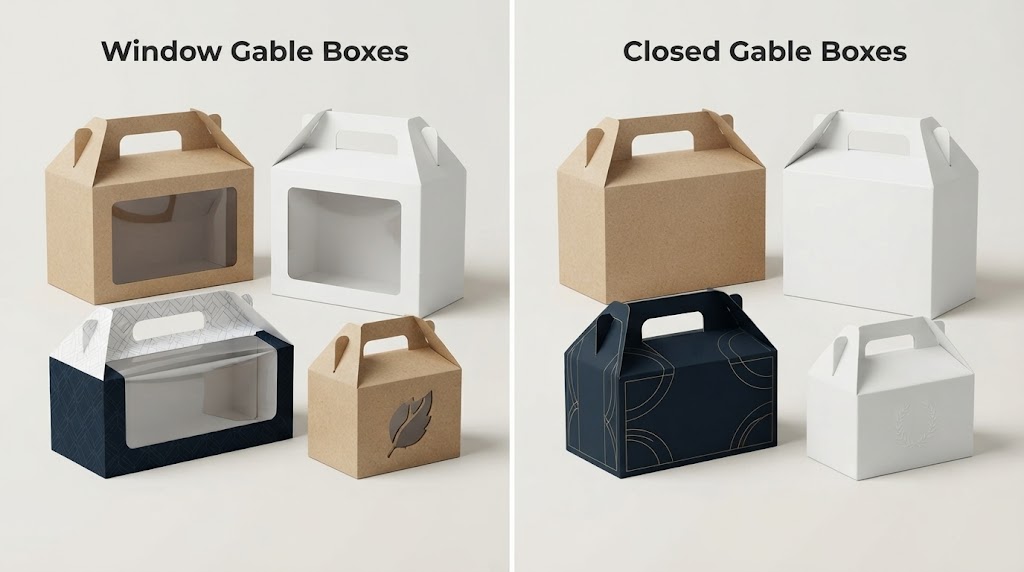






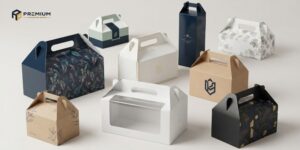
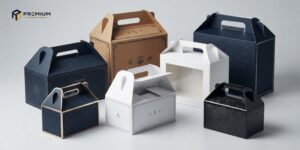

Choosing between window vs closed gable boxes depends primarily on what the packaging needs to accomplish. Window gable boxes allow customers to see the product before opening the package, while closed gable boxes provide a larger uninterrupted surface for printing and branding.
Neither option is universally better. The right choice depends on the product, industry, display environment, protection requirements, and how important product visibility is to the buying experience.
For businesses comparing packaging options, start with our Gable Boxes.
What Is the Difference Between Window and Closed Gable Boxes?
The main difference is the presence of a transparent viewing section.
Window Gable Boxes
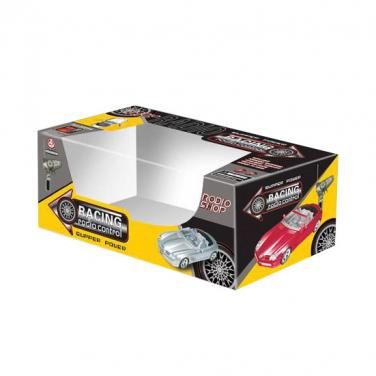
Window gable boxes include a clear, die-cut section that exposes part of the product to view.
They are particularly useful when:
- Product appearance matters
- Customers need to inspect the contents
- Visual presentation influences purchasing
- The package will be displayed on shelves
- Food or gift products benefit from visibility
Closed Gable Boxes
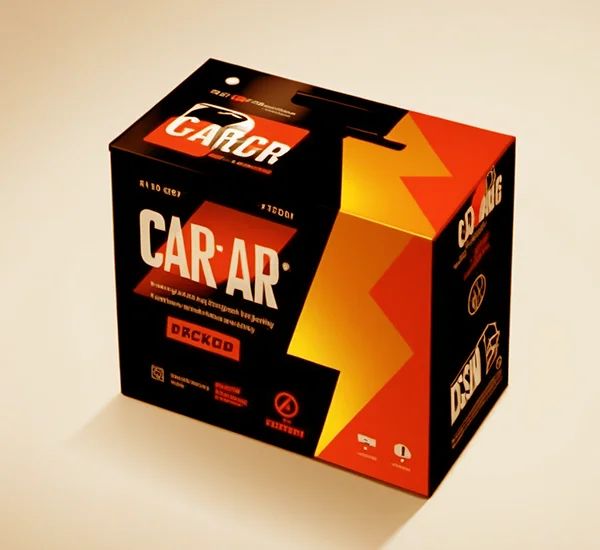
Closed gable boxes use paperboard across the main exterior panels without a transparent viewing section.
This gives businesses more uninterrupted space for:
- Logos
- Product photography
- Graphics
- Product information
- Promotional messaging
- Patterns
- Brand storytelling
For a broader overview of gable box styles, sizes, and uses, see our Gable Box Types: A Complete Guide to Styles, Sizes & Uses guide.
Window vs. Closed Gable Boxes at a Glance
| Feature | Window Gable Boxes | Closed Gable Boxes |
| Product visibility | Excellent | Limited |
| Branding surface | Good | Excellent |
| Display packaging | Excellent | Good |
| Product presentation | Strong | Design-dependent |
| Visual inspection | Easy | Requires opening |
| Printing area | Moderate | Maximum |
| Product privacy | Lower | Higher |
| Gift presentation | Excellent | Excellent |
| Retail use | Excellent | Excellent |
| Food applications | Excellent for suitable products | Excellent |
| Design flexibility | High | Very high |
The best option depends on the balance between visibility and branding surface.
When Should You Choose Window Gable Boxes?
A window is useful when seeing the actual product adds value.
For example, imagine a bakery selling decorated cookies. A printed photograph of the cookie may communicate the idea, but allowing customers to see the actual product can provide stronger product presentation.
Window packaging can work particularly well for:
- Cookies
- Cupcakes
- Donuts
- Pastries
- Sweets
- Chocolates
- Gift sets
- Handmade products
- Boutique merchandise
- Seasonal products
In these applications, product visibility becomes part of the packaging experience.
For detailed information on windowed packaging, see our Gable Boxes With Windows: Benefits, Uses & Product Visibility guide.
When Are Closed Gable Boxes the Better Choice?
A closed structure may be more suitable when branding takes priority over visibility.
Because there is no viewing cutout, the exterior provides a continuous printing surface.
This can be useful for brands that want:
- Large logos
- Full-color artwork
- Detailed patterns
- Product photography
- Extensive messaging
- Brand storytelling
- Promotional graphics
Closed packaging can also be preferable when the product doesn’t need to be visible before opening.
Product Visibility: The Biggest Advantage of Window Packaging
The strongest argument for window packaging is straightforward:
Customers can see what they are buying.
This can be especially important for products whose appearance communicates quality.
Consider:
Bakery products: Customers can see decoration and freshness.
Gift products: Customers can preview the contents.
Retail merchandise: Customers can identify the product without opening the box.
Seasonal products: Customers can immediately see the themed item.
This makes window packaging a natural form of display packaging.
Branding Surface: The Biggest Advantage of Closed Packaging
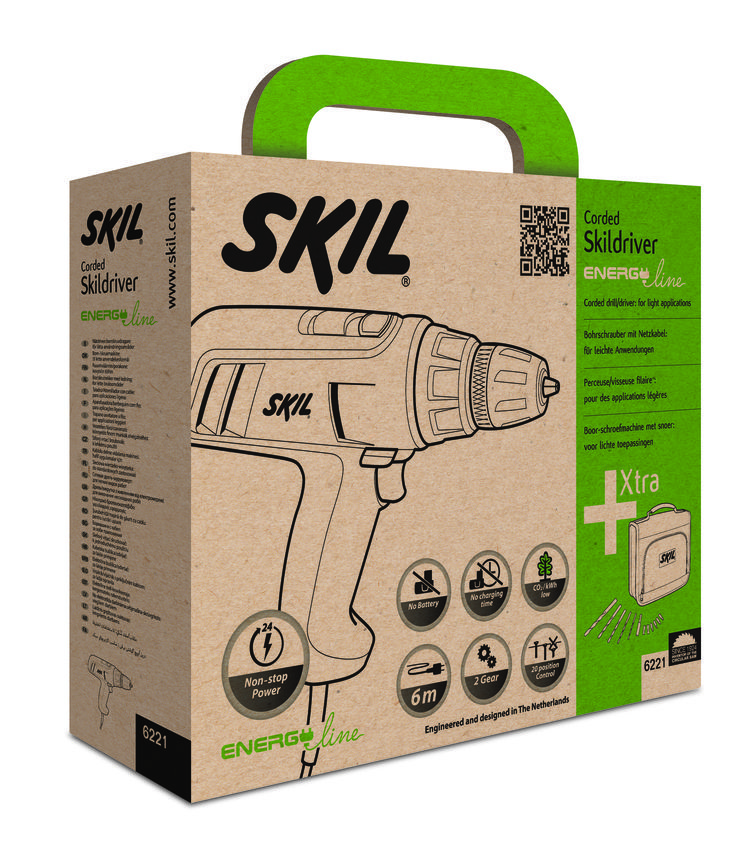
Closed boxes provide a larger uninterrupted branding surface.
This can be valuable when packaging itself functions as a major marketing asset.
A closed gable box can accommodate:
- Logo placement
- Brand colors
- Product details
- Illustrations
- Photography
- Patterns
- Promotional messages
- QR codes
- Social media information
For brands with elaborate visual identities, this additional surface area can be an important advantage.
For printing and branding options, see our Custom Printed Gable Boxes: Printing Methods, Finishes & Branding Options guide.
Protective Packaging: Which Is Better?
Both styles can provide effective packaging protection when properly designed and manufactured.
However, adding a window means removing part of the paperboard panel and introducing another packaging material.
Therefore, the structural design needs to account for:
- Product weight
- Box dimensions
- Window size
- Board thickness
- Fold locations
- Product movement
- Transportation conditions
A larger window isn’t automatically better. It needs to maintain an appropriate balance between visibility and structural performance.
For technical guidance on box thickness, see our How to Choose the Right Gable Box Thickness for Your Product guide.
Window vs. Closed Gable Boxes for Food
Food packaging is one area where the choice can be particularly important.
Window Boxes for Food
A window can showcase:
- Cookies
- Cupcakes
- Pastries
- Donuts
- Sweets
- Chocolates
- Decorative desserts
For visually appealing bakery products, visibility can strengthen presentation.
Closed Food Boxes
Closed packaging can provide more space for:
- Branding
- Ingredients
- Product information
- Instructions
- Promotional messaging
For food packaging fundamentals, see our Gable Boxes for Food Packaging: Materials, Uses & Customization guide.
For safety considerations, see our Are Gable Boxes Food Safe? Materials, Coatings & Packaging Considerations.
Window vs. Closed Gable Boxes for Bakeries
Bakeries frequently benefit from product visibility because customers often judge food by its appearance.
Choose a Window When:
- Decoration is important
- The product is visually attractive
- Customers need to inspect the product
- The package will be displayed at the counter
- Product presentation is part of the sale
Choose Closed Packaging When:
- Branding is the primary focus
- You need maximum printing space
- The product is visually sensitive
- Product privacy is preferred
- Additional printed information is required
For cake-specific packaging, see our Gable Cake Boxes for Bakeries: Choosing the Right Size & Construction.
Window vs. Closed Gable Boxes for Retail
Retail packaging requires a slightly different decision.
A window can allow shoppers to identify the product immediately, while a closed box gives the brand more control over the visual presentation.
Window Packaging Works Well For:
- Handmade products
- Gift items
- Food products
- Small accessories
- Decorative products
- Products with strong visual appeal
Closed Packaging Works Well For:
- Strongly branded products
- Products requiring extensive information
- Products where graphics sell the product
- Premium printed collections
Window vs. Closed Gable Boxes for Gifts
Both styles can create attractive gift presentation.
Window Gift Packaging
The recipient can see the product before opening it.
This can be effective for:
- Gourmet gifts
- Sweet boxes
- Corporate gift sets
- Wedding favors
- Handmade products
Closed Gift Packaging
Closed boxes can create more anticipation because the contents remain hidden.
They also offer greater freedom for:
- Decorative patterns
- Personalized messages
- Premium branding
- Foil finishing
- Product storytelling
For ready-to-give packaging ideas, see our Gable Gift Boxes: How to Create Ready-to-Give Product Packaging.
Which Style Offers Better Branding?
If maximum branding surface is the priority, closed gable boxes generally have an advantage.
The uninterrupted paperboard can carry more artwork without being interrupted by a viewing area.
However, window packaging can still provide strong branding because the area around the window remains available for:
- Logo
- Product name
- Brand colors
- Graphics
- Supporting information
The decision is therefore not:
Branding vs. no branding
It is:
Maximum branding surface vs. maximum product visibility.
Which Style Looks More Premium?
Neither structure is inherently more premium.
Premium presentation depends on the complete design.
A luxury window box could combine:
- Premium paperboard
- Minimalist artwork
- Gold foil
- A precisely positioned window
- Soft-touch coating
A closed luxury box could use:
- Premium board
- Embossing
- Foil stamping
- High-quality printing
- Minimalist typography
For premium packaging applications, see our Luxury Gable Boxes: Premium Materials, Finishes & Branding Ideas.
How to Decide: 7 Questions to Ask
Before choosing between the two styles, ask:
1. Does the Product Need to Be Seen?
If yes, a window may be beneficial.
2. Is Branding More Important Than Visibility?
If yes, consider a closed structure.
3. Will the Package Be Displayed on Shelves?
If yes, product visibility can support retail presentation.
4. Does the Product Have Attractive Visual Details?
If yes, consider showing them.
5. Does the Package Need Extensive Information?
If yes, the additional surface area of a closed box may help.
6. Is Product Protection a Major Concern?
Evaluate window size, material, board thickness, and structural design.
7. What Does Your Target Customer Expect?
The packaging should reflect the buying experience your customers value.
A Simple Decision Framework
Use this quick guide:
Product appearance sells the product?
→ Choose Window Gable Boxes
Brand artwork sells the product?
→ Choose Closed Gable Boxes
Need both visibility and branding?
→ Use a strategically sized window.
Need maximum printable area?
→ Choose a closed box.
Selling visually appealing bakery products?
→ Consider a window.
Selling highly branded retail products?
→ Consider closed packaging.
Creating premium gifts?
→ Either option can work depending on the presentation.
Can You Customize Both Styles?
Yes. Both window and closed gable boxes can be customized according to product and brand requirements.
Customization can include:
- Box dimensions
- Paperboard material
- Board thickness
- Handle structure
- Window size
- Window shape
- CMYK printing
- PMS colors
- Foil stamping
- Spot UV
- Embossing
- Matte or gloss finishes
- Custom artwork
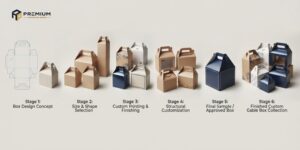
This means businesses don’t have to choose between a standard window box and a standard closed box. The structure can be developed around the product.
Window vs. Closed Gable Boxes: Final Verdict
There is no universal winner in the window vs closed gable boxes comparison.
Choose window gable boxes when product visibility, visual presentation, and retail display are major priorities.
Choose closed gable boxes when maximum branding surface, product privacy, or extensive artwork is more important.
For many businesses, the best solution is simply to design the box around the product rather than choosing a format based only on appearance.
Visibility-first → Window
Branding-first → Closed
Balanced approach → Strategically sized window + strong surrounding branding
FAQs
Are window gable boxes better than closed gable boxes?
Not necessarily. Window boxes are better for product visibility, while closed boxes generally provide more uninterrupted branding space.
Do window gable boxes provide good product protection?
They can, provided the box structure, material, window size, and construction are appropriate for the product and distribution requirements.
Are closed gable boxes better for branding?
They can be. The uninterrupted exterior provides more space for logos, artwork, product information, and promotional messaging.
Are window gable boxes suitable for bakery products?
Yes. They are particularly useful for visually appealing products such as cookies, pastries, cupcakes, donuts, and sweets.
Can I customize the window size?
Yes. The window can be designed around the product and overall packaging structure.
Can both styles use foil and specialty finishes?
Yes. Both window and closed gable boxes can be customized with finishes such as foil stamping, UV, embossing, and other suitable specialty effects.