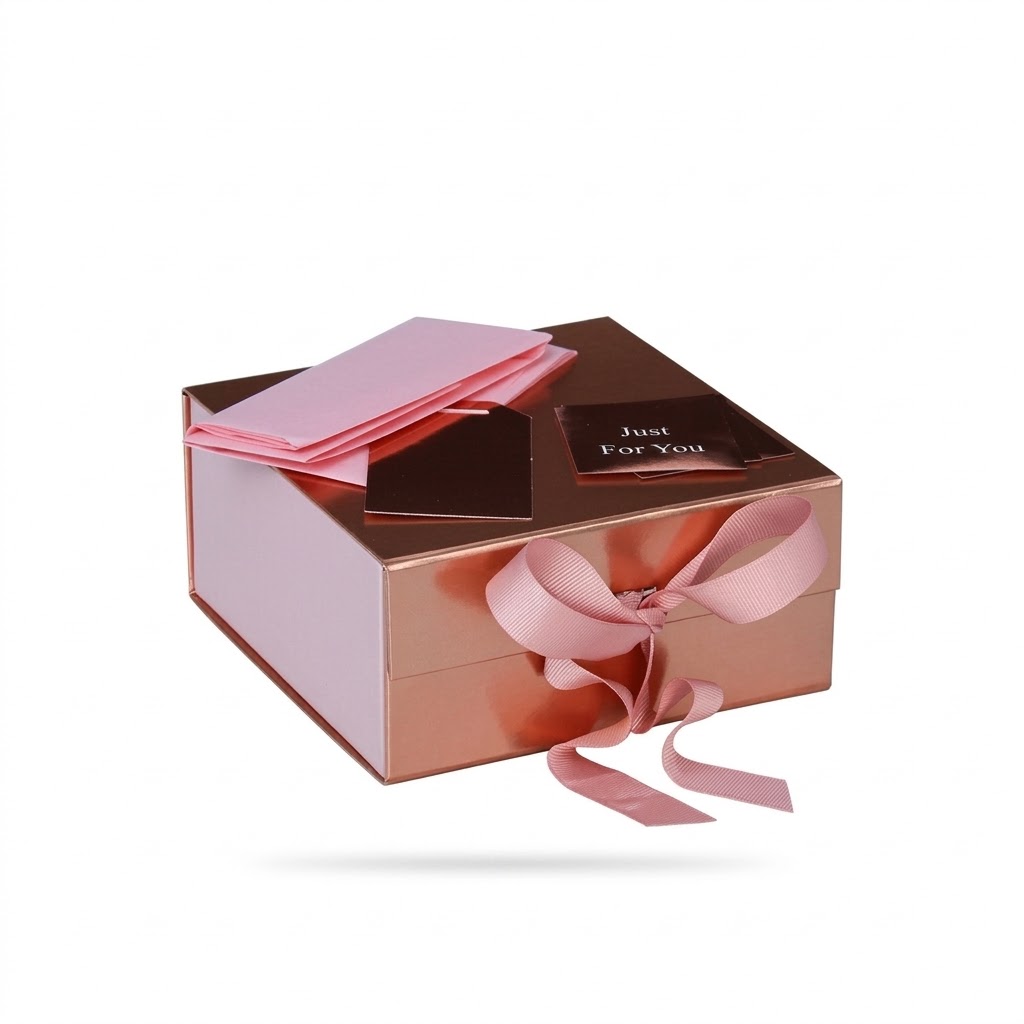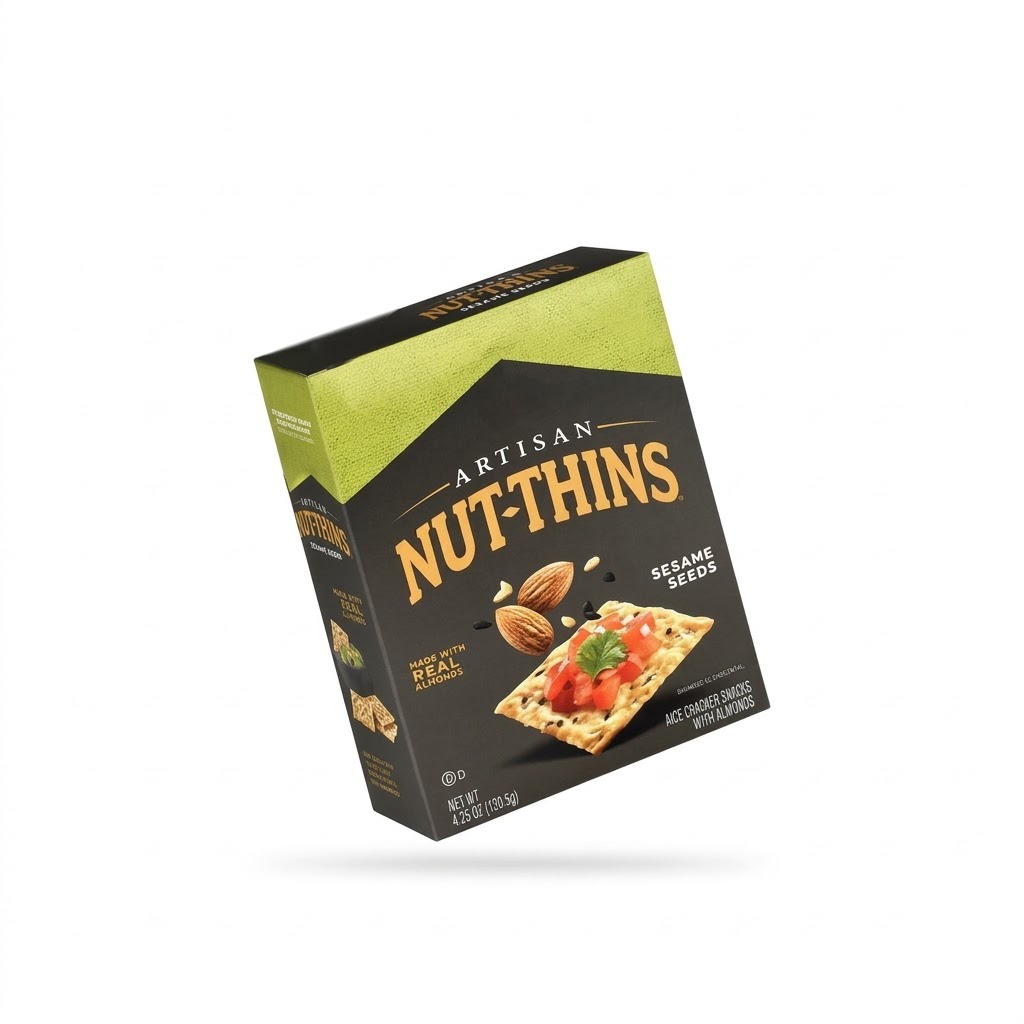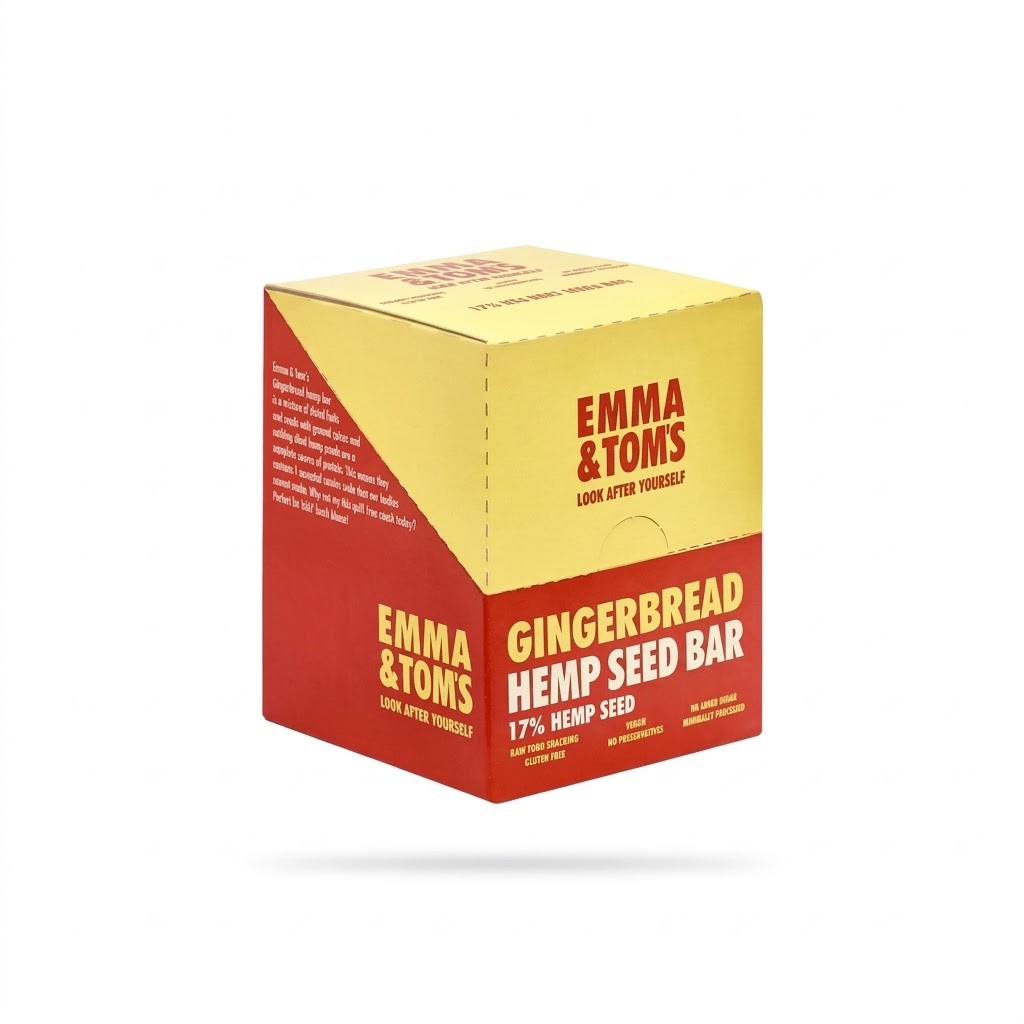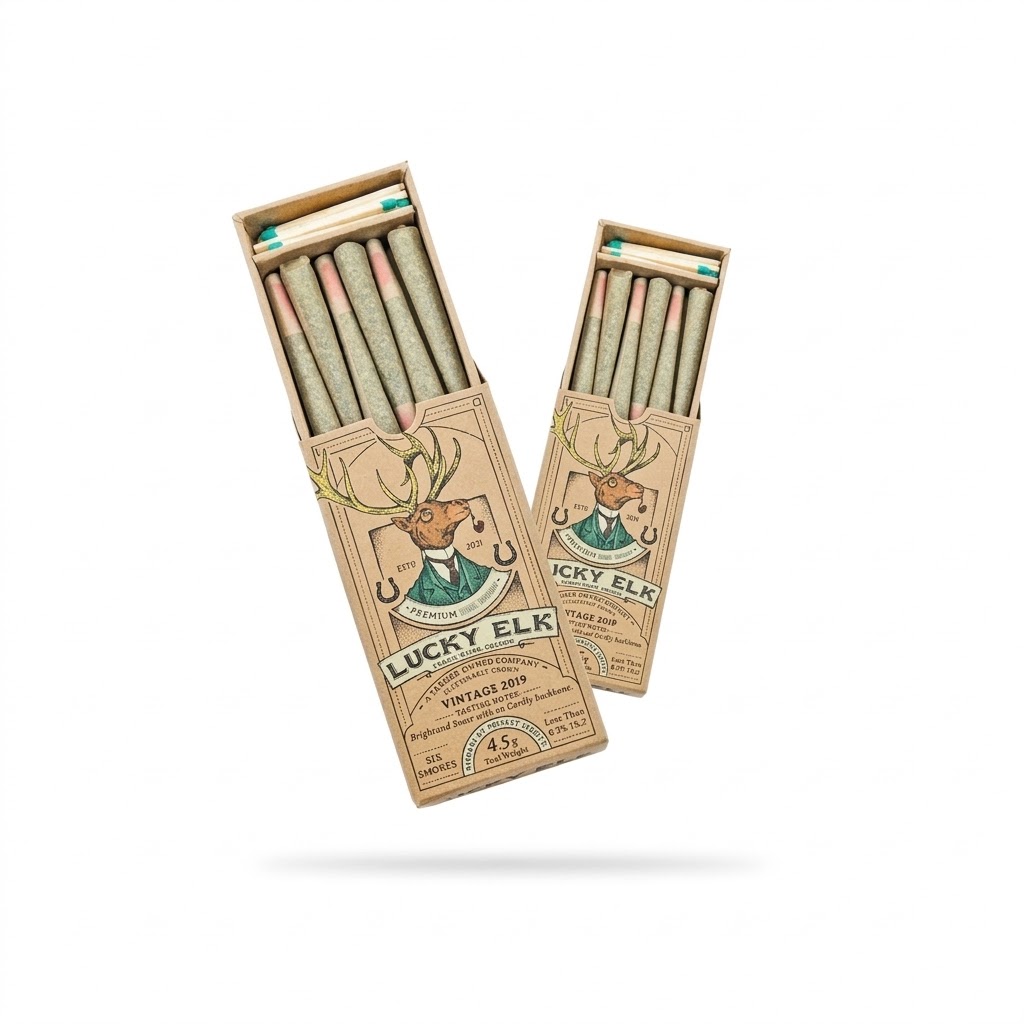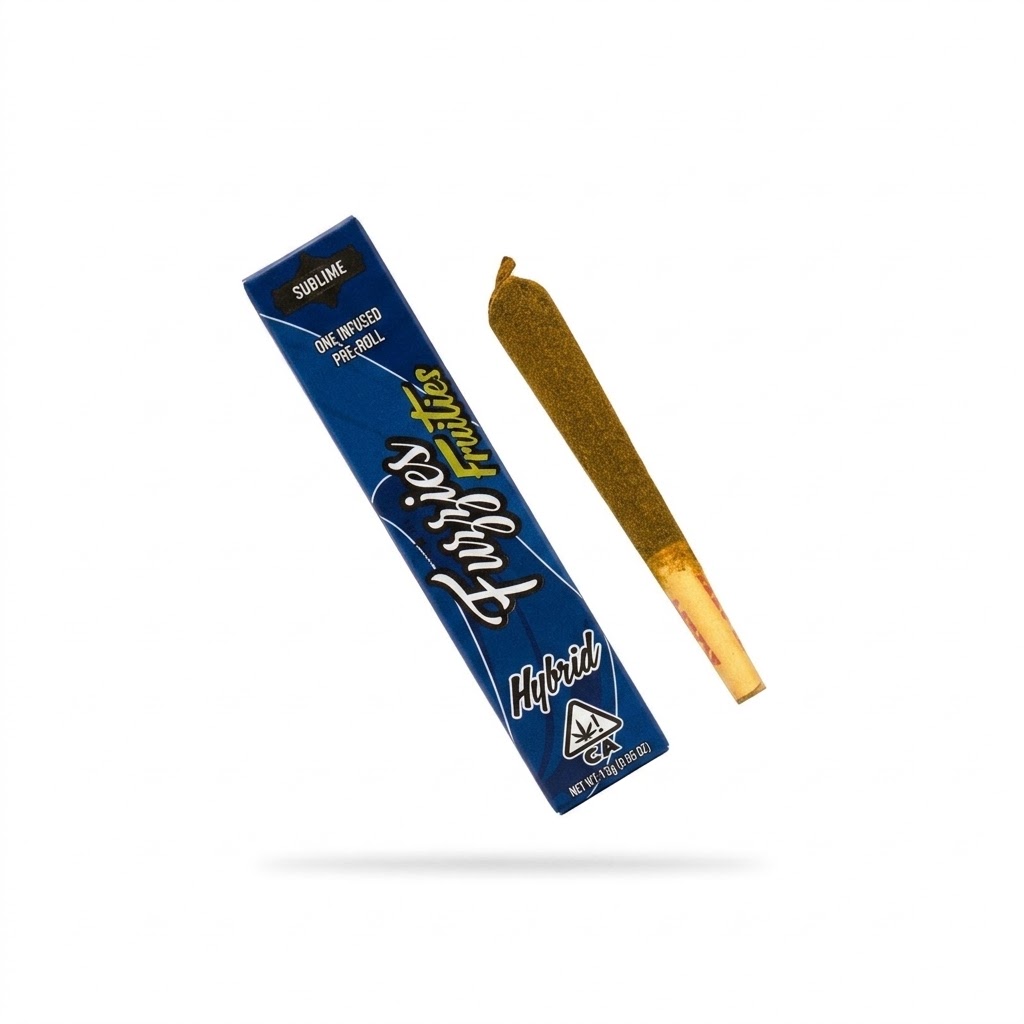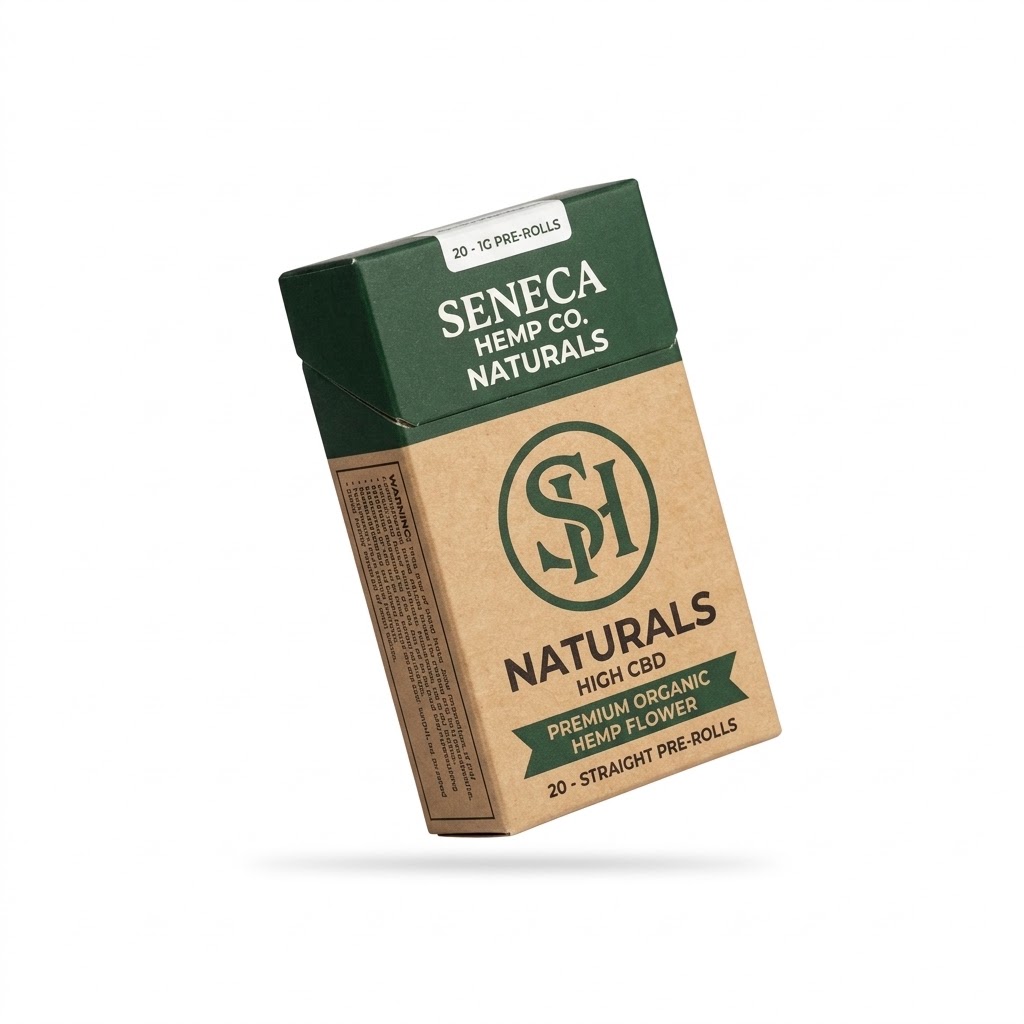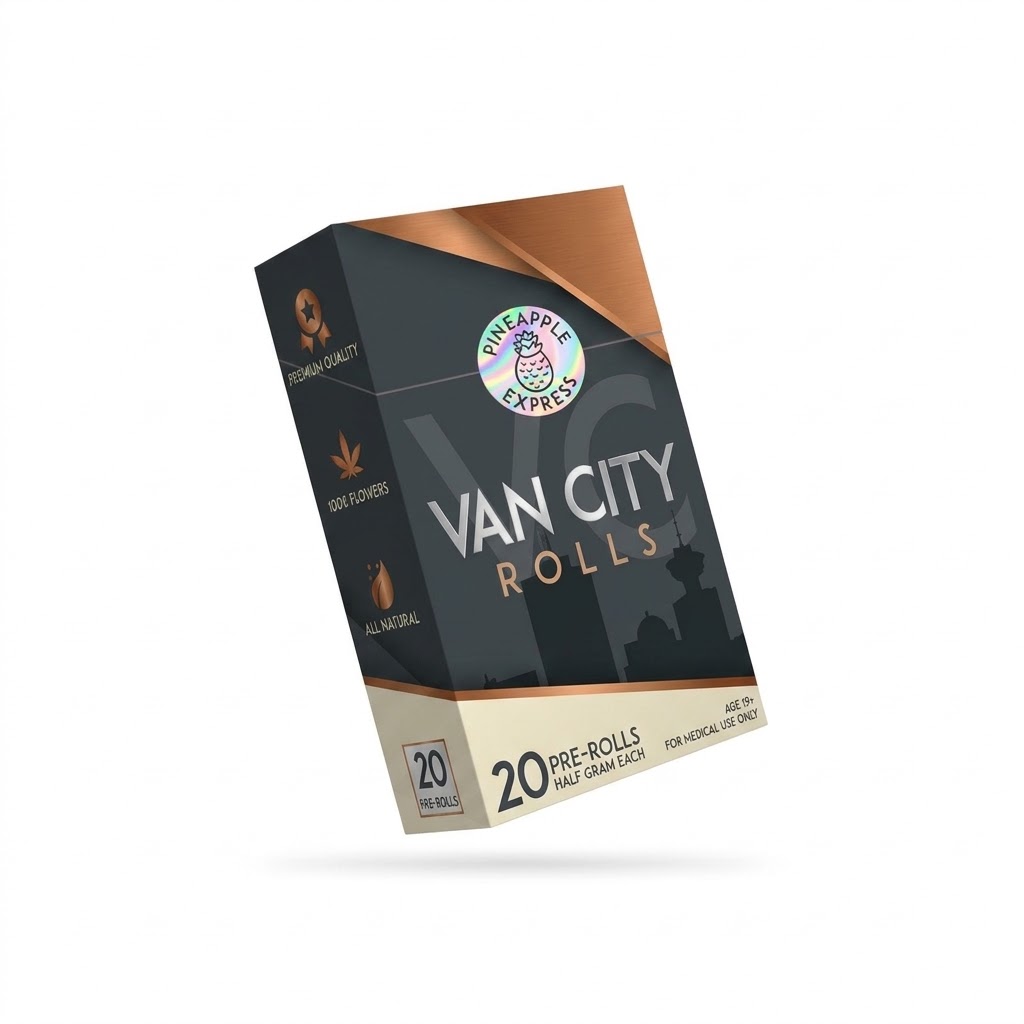


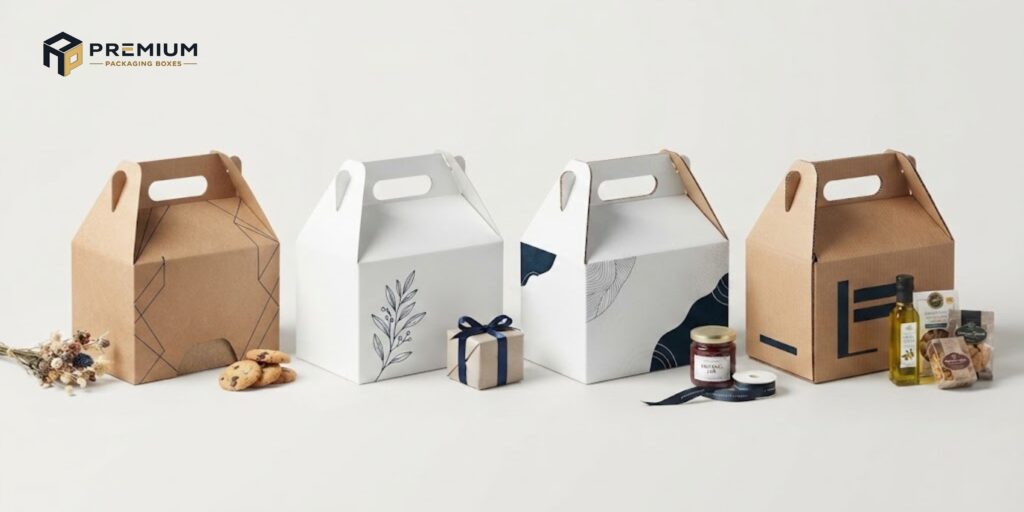





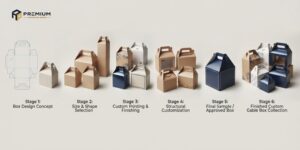

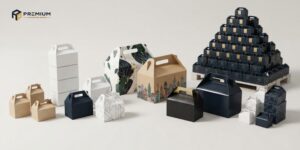

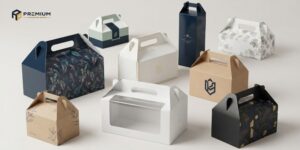
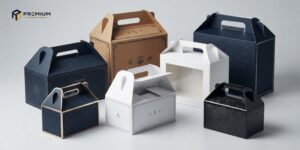

Choosing the right gable box materials affects more than appearance. The board determines how the package looks, how well it holds its shape, how it performs during carrying and transportation, and how effectively it supports printing and finishing. Kraft, SBS, standard paperboard, corrugated cardboard, and recycled board each have different strengths, making material selection an important part of custom packaging design.
For businesses ordering custom packaging, the best material depends on the product’s weight, dimensions, application, printing requirements, food-contact needs, durability expectations, and sustainability goals.
What Materials Are Gable Boxes Made From?
Gable boxes are commonly produced from paper-based boards selected according to the intended application. Common options include:
- Kraft paperboard
- SBS paperboard
- White paperboard
- Corrugated cardboard
- Recycled board
- Specialty coated paperboard
Each material provides a different combination of rigidity, printability, appearance, weight, and structural performance.
For a basic explanation of the format and its construction, read What Are Gable Boxes?.
Kraft vs. SBS vs. Paperboard vs. Corrugated: Quick Comparison
| Material | Appearance | Durability | Printing | Best For |
| Kraft paperboard | Natural, earthy | Good | Good | Eco-conscious, bakery, retail |
| SBS paperboard | Bright white, smooth | Good | Excellent | Premium retail and detailed branding |
| Standard paperboard | Versatile | Good | Good | General-purpose packaging |
| Corrugated cardboard | Textured/fluted | Very good | Good | Heavier products and transport |
| Recycled board | Natural or muted | Varies | Good | Sustainability-focused packaging |
The right choice depends on the product and packaging requirements rather than simply selecting the thickest board available.
Kraft Paperboard for Gable Boxes
Kraft is one of the most recognizable materials for natural-looking packaging. Kraft gable boxes provide a warm, organic appearance that works particularly well for bakeries, cafes, handmade products, gift brands, and businesses emphasizing sustainability.
Kraft paperboard can be used for:
- Bakery packaging
- Food packaging
- Gift packaging
- Retail products
- Event favors
- Takeaway packaging
- Promotional packaging
Its natural brown surface can also become part of the brand identity.
Benefits of Kraft Paperboard
Kraft offers several practical advantages:
- Natural appearance
- Good structural performance
- Strong branding potential
- Paper-based construction
- Suitable for minimalist designs
- Works well with one-color and multi-color printing
- Available in different thicknesses
Kraft is particularly effective when the brand wants packaging to communicate a natural or handcrafted visual identity.
For a detailed comparison, see Kraft Gable Boxes vs. White Gable Boxes.
SBS Paperboard for Gable Boxes
SBS stands for Solid Bleached Sulfate, a bright, smooth paperboard commonly selected when print quality and presentation are priorities.
SBS gable boxes provide a clean surface that works well with detailed graphics, vibrant colors, logos, product information, and premium finishing.
SBS can be a strong option for:
- Retail packaging
- Cosmetic products
- Premium gifts
- Branded food packaging
- Promotional packaging
- High-resolution graphics
- Luxury presentation
Why Choose SBS?
The smooth white surface provides a consistent foundation for printed artwork.
It can support:
- CMYK printing
- PMS/Pantone color matching
- Fine graphics
- Photographic artwork
- Foil stamping
- Spot UV
- Matte finishes
- Gloss finishes
- Soft-touch coatings
For brands where visual consistency is important, SBS can provide an excellent printing surface.
Paperboard Gable Boxes
Paperboard is a broad category covering several grades and constructions used to manufacture folding packaging.
Paper gable boxes can be produced in different weights and finishes depending on the intended application.
They are commonly used when businesses need a balance between:
- Weight
- Cost
- Rigidity
- Printability
- Folding performance
- Customization
Paperboard is particularly suitable for packaging that needs to ship flat and be assembled before use.
The specific board grade should be selected based on the product rather than using a one-size-fits-all specification.
Corrugated Cardboard Gable Boxes
Corrugated cardboard contains a fluted layer between linerboards, creating a structure designed to provide additional strength and cushioning.
This can make corrugated construction useful when packaging needs greater resistance to compression, impact, or handling.
Potential applications include:
- Heavier retail products
- Larger gift sets
- Food delivery
- E-commerce packaging
- Promotional kits
- Products requiring additional structural support
Why Use Corrugated Cardboard?
The fluted structure can provide:
- Increased rigidity
- Better cushioning
- Improved compression resistance
- Greater structural support
- Protection during transportation
However, corrugated board may have a different visual and printing surface compared with smooth SBS paperboard.
Recycled Board for Gable Packaging
Recycled board can be considered when businesses want to incorporate recovered fiber into their packaging material strategy.
Its appearance can range from relatively clean and printable surfaces to more natural or muted finishes, depending on the board grade.
Recycled board may be suitable for:
- Sustainable retail packaging
- Eco-conscious brands
- Gift packaging
- Event packaging
- General-purpose applications
Material selection should still consider the product’s weight, required rigidity, printing requirements, and intended use.
For sustainability-focused packaging, see Eco-Friendly Gable Boxes.
How Material Affects Gable Box Durability
Board durability depends on more than material name alone.
The final structural performance can be affected by:
- Board thickness
- Material density
- Box dimensions
- Product weight
- Die-cut structure
- Handle design
- Bottom construction
- Folding points
- Moisture exposure
- Transportation conditions
For example, increasing the box dimensions while keeping the same board specification can change how the structure performs under load.
This is why material selection should be considered together with structural engineering and product requirements.
What Gable Box Material Is Best for Heavy Products?
For heavier products, stronger construction may be necessary. Corrugated cardboard can provide additional structural support, while heavier grades of paperboard may also be appropriate depending on the application.
The key considerations are:
- Product weight
- Box dimensions
- Handle load
- Bottom structure
- Transportation conditions
- Stacking requirements
- Expected customer handling
The strongest material is not automatically the best choice. The goal is to select an appropriate material and structure for the intended load.
What Material Is Best for Food Gable Boxes?
Food packaging requires additional consideration because the material may come into contact with food, grease, moisture, heat, or condensation.
Depending on the application, businesses may require:
- Appropriate food-contact board
- Grease-resistant coatings
- Moisture barriers
- Suitable interior finishes
- Proper structural strength
Food Gable Boxes can be designed around specific food packaging requirements.
For a deeper discussion of food safety, read Are Gable Boxes Food Safe?.
Best Material for Printed Gable Boxes
If branding and detailed artwork are major priorities, smooth white paperboard or SBS can provide an excellent printing surface.
Businesses can choose from:
- CMYK printing
- Digital printing
- Offset printing
- PMS/Pantone matching
- UV printing
- Foil stamping
- Embossing
- Debossing
- Matte lamination
- Gloss lamination
Kraft can also be printed effectively, although its natural brown surface can affect how colors appear compared with a white substrate.
For more information, see Custom Printed Gable Boxes.
Kraft vs. White Gable Boxes
The choice between kraft and white board often comes down to brand positioning and printing requirements.
Choose Kraft When:
- You want a natural appearance
- Sustainability is part of your brand message
- You prefer a rustic or handcrafted aesthetic
- Earthy packaging complements the product
- Simple branding is preferred
Choose White or SBS When:
- Bright colors are important
- Detailed graphics are required
- You want a clean premium appearance
- Product photography will be printed
- Precise color reproduction matters
Neither option is universally better. The correct material depends on the brand and application.
Material Selection for Gift Gable Boxes
Gift packaging often places greater emphasis on appearance and finishing.
For example, a premium gift box may combine a rigid paperboard structure with:
- Foil stamping
- Embossing
- Soft-touch coating
- Custom printed artwork
- Decorative inserts
For natural gift packaging, kraft can provide a simple and organic appearance.
For premium gifting, SBS or another smooth paperboard may provide a stronger foundation for detailed printing and specialty finishes.
Explore Gable Gift Boxes for gifting applications.
Material Selection for Bakery Gable Boxes
Bakeries often need a balance between appearance, structure, and product protection.
The appropriate material depends on whether the box is intended for:
- Cookies
- Pastries
- Donuts
- Sweets
- Small cakes
- Dessert assortments
- Takeaway bakery products
Food-contact requirements, grease resistance, moisture exposure, and product weight should all be considered.
For cake-specific applications, see Gable Cake Boxes.
How Gable Box Thickness Relates to Material
Material and thickness should not be treated as separate decisions.
A lightweight product may work well with a thinner paperboard, while a larger or heavier package may require a stronger board specification.
Factors to evaluate include:
- GSM
- Point thickness
- Box dimensions
- Product weight
- Handle design
- Bottom construction
- Shipping requirements
Read How to Choose the Right Gable Box Thickness for Your Product for a more detailed guide.
Which Gable Box Material Is Most Eco-Friendly?
There is no single material that is automatically the most sustainable in every situation.
Environmental considerations can include:
- Recycled fiber content
- Responsible fiber sourcing
- Recyclability
- Material quantity
- Coatings
- Ink selection
- Manufacturing processes
- End-of-life disposal
Kraft and recycled board are often selected by brands seeking a more natural or recycled-material presentation, while other paperboard grades can also support responsible packaging strategies depending on sourcing and construction.
The overall packaging system matters more than the material label alone.
How to Choose the Right Gable Box Material
Use the following checklist before selecting your board:
1. Identify the Product
Determine what the box will contain and whether the product is fragile, heavy, oily, moist, or temperature-sensitive.
2. Determine Product Weight
The total weight affects board selection, handle construction, and bottom strength.
3. Define the Box Dimensions
Larger boxes can require different structural support than smaller formats.
4. Decide on the Brand Appearance
Choose between a natural kraft appearance, clean white surface, premium SBS presentation, or a stronger corrugated structure.
5. Consider Printing
If detailed artwork and precise colors are important, evaluate the printing surface before selecting the material.
6. Evaluate Sustainability Requirements
Consider recycled content, recyclability, responsible sourcing, coatings, and the overall packaging design.
7. Consider the End Use
Food, retail, gifting, events, e-commerce, and promotional applications can have different material requirements.
8. Test the Structure
For custom packaging, a structural sample or prototype can help confirm whether the selected material performs correctly before bulk production.
Common Mistakes When Selecting Gable Box Materials
Choosing Material Based Only on Appearance
A beautiful material may not provide the required structural performance.
Selecting Thickness Without Considering Box Size
Large boxes can place different demands on the board than compact packages.
Ignoring the Handle
The handle is an important load-bearing part of the gable structure and should be evaluated with the material.
Using the Same Material for Every Product
A lightweight gift and a heavy food order may require different packaging specifications.
Focusing Only on Sustainability Labels
A responsible packaging decision should consider the entire material and design system rather than one environmental claim.
Gable Box Material Selection by Application
| Application | Common Material Considerations | Key Priority |
| Bakery | Kraft, paperboard, suitable food-contact board | Food suitability + presentation |
| Restaurant takeaway | Food-grade paperboard or suitable corrugated construction | Strength + moisture/grease resistance |
| Retail | SBS, white paperboard, kraft | Printing + shelf presentation |
| Gifts | Kraft, SBS, premium paperboard | Appearance + finishing |
| Events | Kraft or paperboard | Lightweight presentation |
| Heavy products | Corrugated or stronger board grades | Structural strength |
| Eco-focused packaging | Kraft, recycled board, suitable paperboard | Material sourcing + recyclability |
| Luxury packaging | SBS or premium paperboard | Printing + specialty finishes |
Frequently Asked Questions About Gable Box Materials
What is the best material for gable boxes?
The best material depends on the product, weight, dimensions, application, printing requirements, and desired appearance. Kraft, SBS, paperboard, and corrugated cardboard can all be appropriate for different applications.
Are kraft gable boxes durable?
Yes, suitable kraft paperboard can provide good structural performance for many food, retail, gift, and event applications. The required board thickness should be matched to the product and box structure.
What is SBS paperboard?
SBS stands for Solid Bleached Sulfate. It is a smooth, bright paperboard commonly used where clean presentation and high-quality printing are important.
Is corrugated cardboard stronger than paperboard?
Corrugated cardboard can provide additional structural support because of its fluted construction, but the appropriate choice depends on the product, box size, and required performance.
Can gable boxes be made from recycled board?
Yes. Recycled board can be used for suitable packaging applications, depending on the required strength, appearance, printing, and product-contact specifications.
Which material is best for printed gable boxes?
Smooth white paperboard or SBS is often a strong choice for detailed, high-quality printing. Kraft can also be printed when a natural appearance is part of the desired design.
Final Thoughts
There is no universal best material for gable boxes. Kraft, SBS, paperboard, corrugated cardboard, and recycled board each offer different combinations of appearance, durability, printability, and application suitability.
The right choice starts with the product. Consider its dimensions, weight, handling conditions, food-contact requirements, branding needs, and sustainability objectives before selecting the board.
For businesses requiring a product-specific solution, Custom Gable packaging Boxes can be developed with the appropriate dimensions, material, printing, finishes, and structural specifications.