







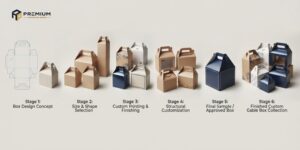

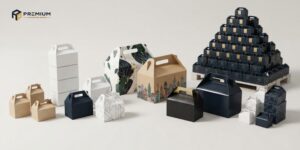


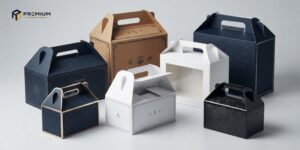

Choosing between small and large gable boxes is not simply a matter of picking the box that looks closest to your product. The right size should provide enough room for the product while maintaining a secure fit, comfortable carrying, and an attractive presentation. Gable box sizes can be customized for everything from small favors and samples to bakery products, takeaway orders, retail merchandise, and larger gift sets.
What Determines the Right Gable Box Size?
The ideal box size depends on the product’s dimensions, weight, shape, quantity, and packaging requirements. A box that is too small can damage or compress the contents, while an oversized box can create unnecessary movement and require additional filling.
Before selecting a size, consider:
- Product length, width, and height
- Product weight
- Number of items per box
- Protective inserts or padding
- Required headspace
- Handle clearance
- Storage and transportation requirements
- Display and presentation needs
For a broader understanding of the different formats available, see Gable Box Types: A Complete Guide to Styles, Sizes & Uses.
Small vs. Large Gable Boxes at a Glance
| Size | Typical Applications | Main Advantage |
| Mini | Favors, samples, small sweets | Compact and lightweight |
| Small | Individual products, desserts, gifts | Easy to carry and store |
| Medium | Bakery assortments, retail products, takeaway orders | Balanced capacity |
| Large | Gift sets, multiple products, larger orders | Higher internal capacity |
| Custom | Product-specific packaging | Precise product fit |
These categories are useful starting points, but actual dimensions should always be determined according to the product.
Small Gable Boxes: When Are They the Better Choice?
Small gable boxes are useful when the packaged product is compact and does not require substantial internal space.
Common applications include:
- Small gifts
- Party favors
- Wedding favors
- Individual desserts
- Cookies and sweets
- Product samples
- Small retail products
- Promotional giveaways
A smaller package can reduce excess material and make the product easier for customers to carry.
Mini Gable Boxes for Small Products
Mini gable boxes are the compact end of the gable packaging range. They are particularly useful when each product or portion needs its own package.
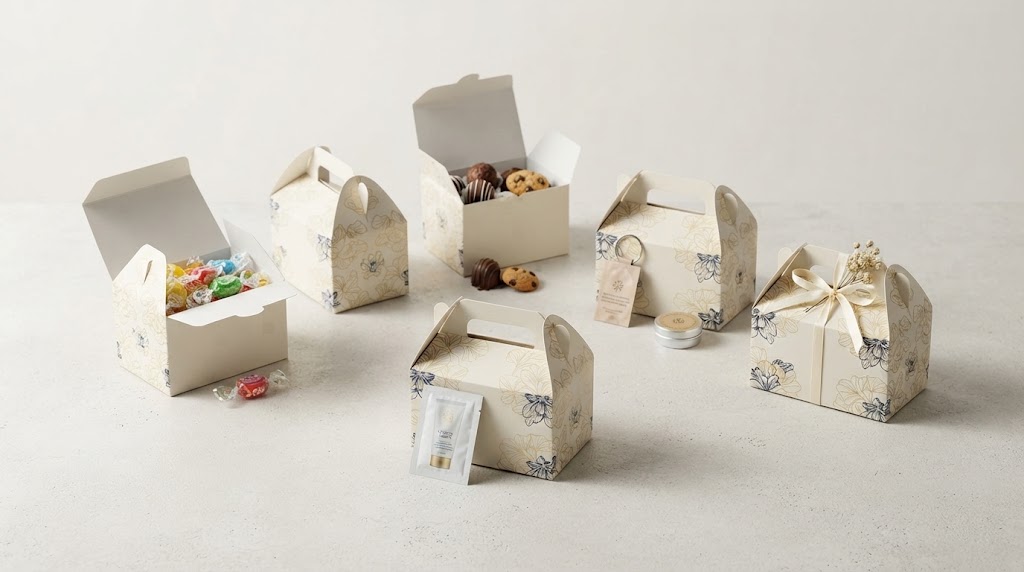
Typical applications include:
- Wedding favors
- Party favors
- Candy and sweets
- Small samples
- Promotional items
- Individual treats
The compact format can also make mini boxes useful for events where hundreds of individual packages need to be displayed or distributed.
Large Gable Boxes: When Do You Need More Capacity?
Large gable boxes are useful when the product is bigger, multiple items are packaged together, or additional protective space is required.
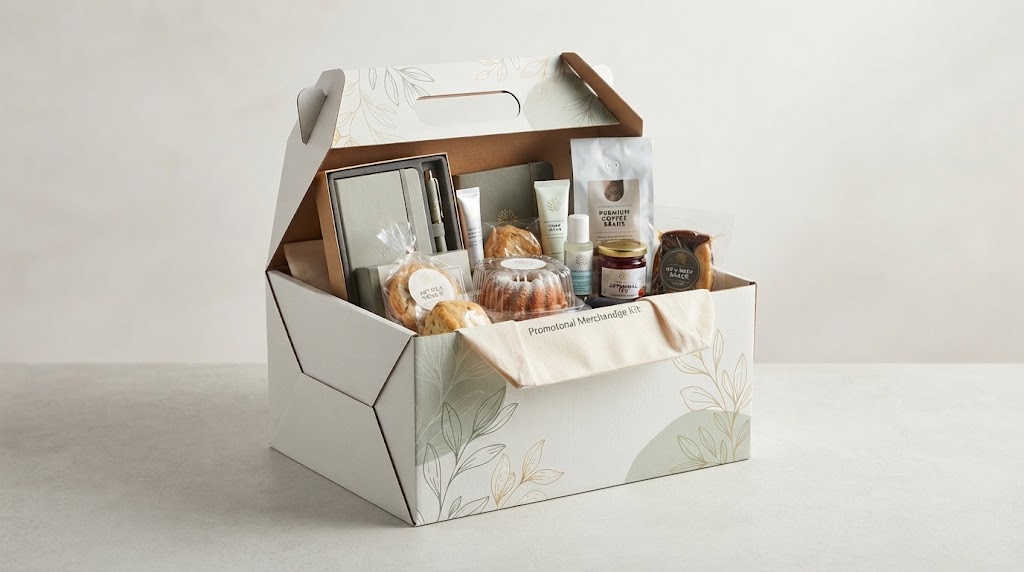
Applications can include:
- Large gift sets
- Bakery assortments
- Multiple food portions
- Retail product bundles
- Corporate gift packages
- Promotional kits
However, increasing the box dimensions also increases the amount of material required and may affect the structural strength of the package.
For heavier or larger products, material thickness and handle construction should be considered alongside the dimensions.
How to Measure Your Product for a Gable Box
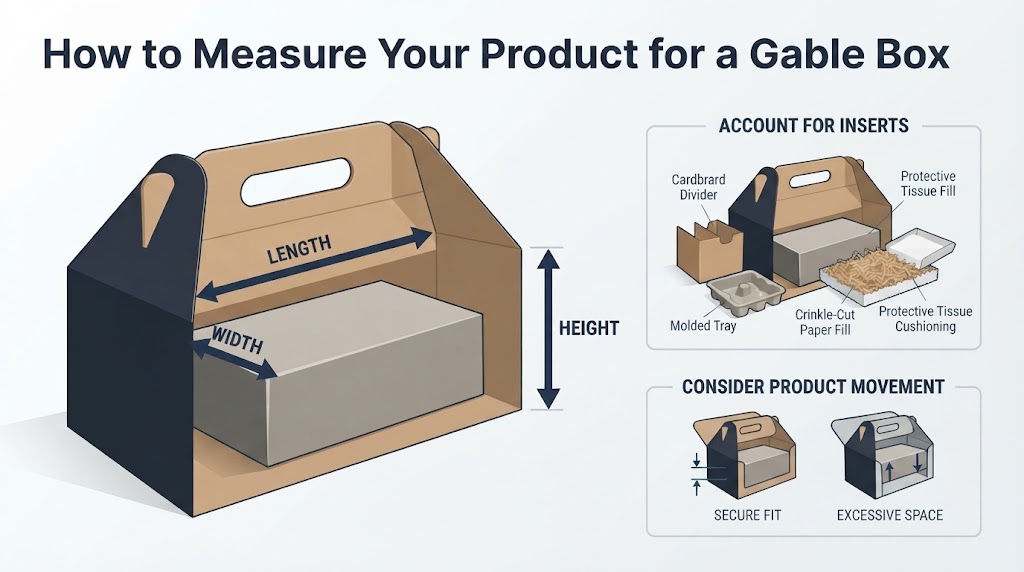
Accurate measurements are the starting point for selecting the right box.
1. Measure the Length
Measure the longest horizontal dimension of the product.
2. Measure the Width
Measure the widest point across the product.
3. Measure the Height
Measure from the bottom of the product to its highest point.
4. Account for Inserts
If your package will include dividers, trays, tissue paper, cushioning, or other inserts, include their space in the required internal dimensions.
5. Consider Product Movement
The product should not be forced into the box, but excessive empty space can allow it to move during handling.
A good product fit balances protection with presentation.
Internal Dimensions vs. External Dimensions
One of the most important considerations when ordering custom packaging is understanding the difference between internal and external dimensions.
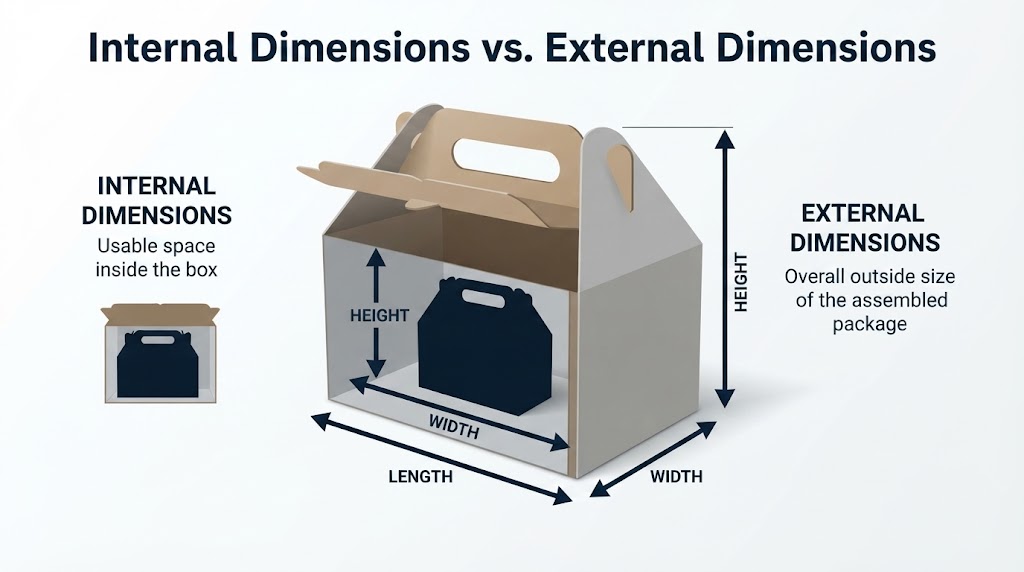
Internal dimensions describe the usable space inside the box.
External dimensions describe the overall outside measurements of the assembled package.
For product packaging, internal dimensions are usually the more important starting point because they determine whether the product will physically fit.
Always confirm which dimension convention a packaging supplier is using before approving production.
How Box Capacity Affects Your Choice
Box capacity refers to how much usable space the package provides for the product and any supporting components.
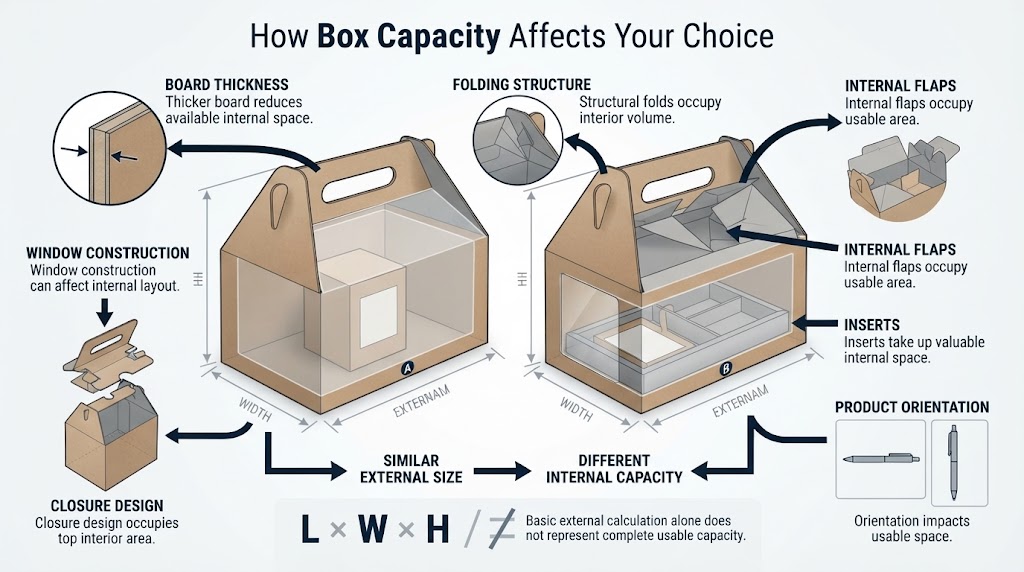
Two boxes can have similar external dimensions but provide different usable capacity because of:
- Board thickness
- Folding structure
- Internal flaps
- Inserts
- Window construction
- Closure design
- Product orientation
For this reason, calculating capacity based only on length × width × height may not provide the complete picture for a folding gable package.
How Gable Box Thickness Affects Size Selection
Size and material thickness should be considered together.
A larger box carrying a heavier product may require stronger board construction than a small box holding lightweight sweets or favors.
Factors affecting material selection include:
- Product weight
- Box dimensions
- Handle load
- Stacking requirements
- Transportation conditions
- Moisture exposure
- Food-contact requirements
For more information, see How to Choose the Right Gable Box Thickness for Your Product.
Small Gable Boxes for Food and Bakery Products
Small gable packaging can be useful for individual food portions and bakery products when the construction is appropriate for the application.
Potential uses include:
- Individual pastries
- Cookies
- Donuts
- Small desserts
- Sweets
- Bakery gift portions
For food applications, size is only one consideration. The material, coating, grease resistance, moisture resistance, and food-contact suitability should also be evaluated.
See Gable Boxes for Food Packaging for more information.
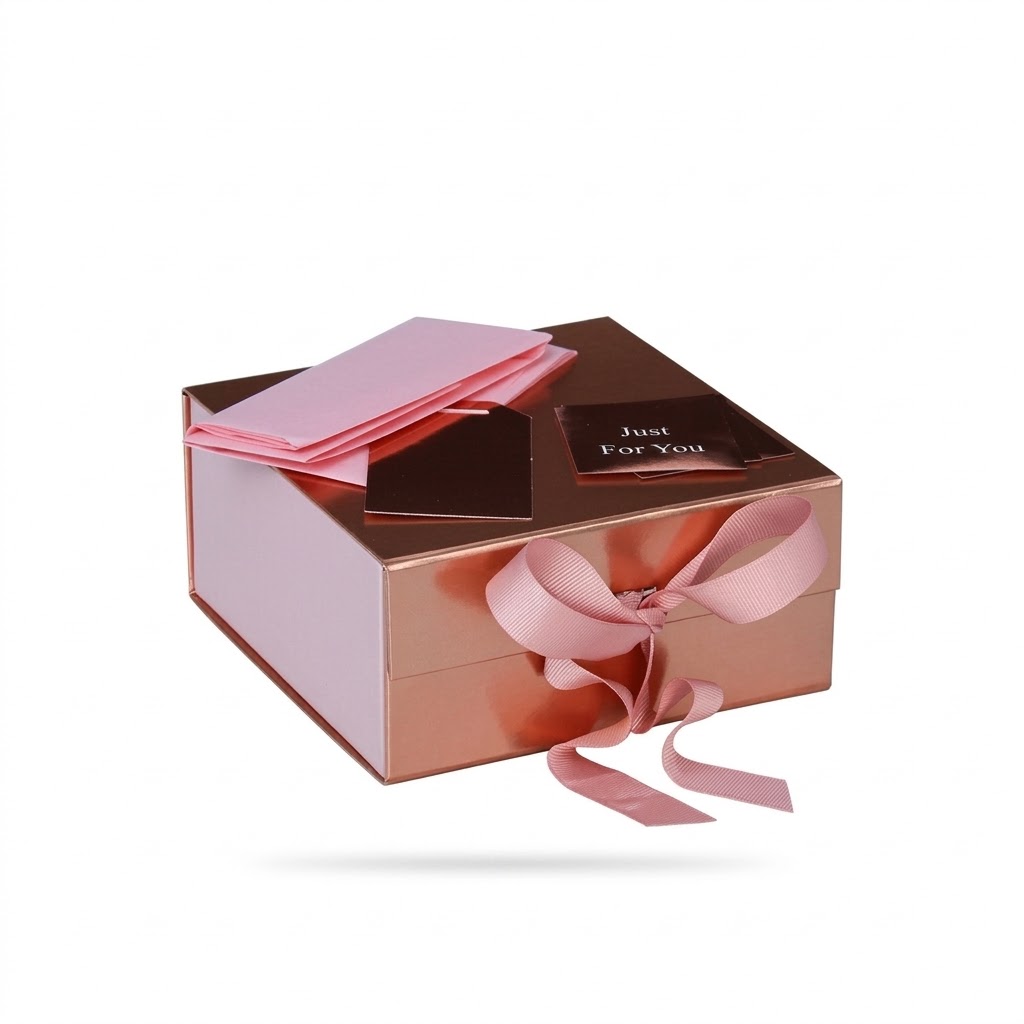
Choosing the Right Size for Gift Packaging
Gift packaging often requires enough space for both the product and presentation elements.
For example, a gift set may include:
- The main product
- Several smaller items
- Tissue paper
- Inserts
- Cards
- Ribbons or decorative elements
In this situation, the smallest possible box may not provide the best presentation. A slightly larger package can create useful space around the contents while still maintaining a controlled appearance.
For ready-to-give applications, see Gable Gift Boxes.
Choosing Gable Box Sizes for Retail Products
Retail products require a balance between product protection, shelf presentation, storage efficiency, and branding.
A retail box should:
- Fit the product securely
- Provide sufficient branding space
- Avoid unnecessary empty space
- Support the expected handling conditions
- Work with the intended display format
If customers need to see the product, a window can also be incorporated into an appropriate size and structural design.
Custom Gable Box Sizes: When Standard Sizes Aren’t Enough
Standard sizes can work well for common products, but custom gable box sizes are often the better option when a product has unusual dimensions or specific presentation requirements.
Custom sizing is useful when:
- The product has an unusual shape
- Multiple products need to fit together
- Inserts are required
- The product is fragile
- The box needs a specific shelf footprint
- You want to reduce unused internal space
- A specific handle position is required
Custom Gable Boxes can be produced around the product’s required dimensions rather than forcing the product into a generic package.
How to Avoid Choosing a Box That Is Too Large
An oversized package can create several problems.
Excess internal space may allow the product to shift during transportation. It can also require additional filling materials and increase the overall package footprint.
For retail and e-commerce applications, unnecessary package volume can also affect storage and shipping efficiency.
Instead of simply choosing the largest available box, consider the smallest practical size that provides:
- Adequate product protection
- Comfortable loading
- Required inserts
- Appropriate presentation
- Safe handle performance
How to Avoid Choosing a Box That Is Too Small
A box that is too small can create even more obvious problems.
It may:
- Compress the product
- Damage fragile items
- Make loading difficult
- Distort the box
- Put unnecessary stress on the handle
- Affect the closing mechanism
- Reduce presentation quality
For food and bakery products, insufficient space can also damage delicate surfaces or toppings.
The goal is not the tightest possible fit; it is a secure and practical product fit.
Does Product Weight Affect Gable Box Size?
Yes. Product weight should be considered alongside dimensions.
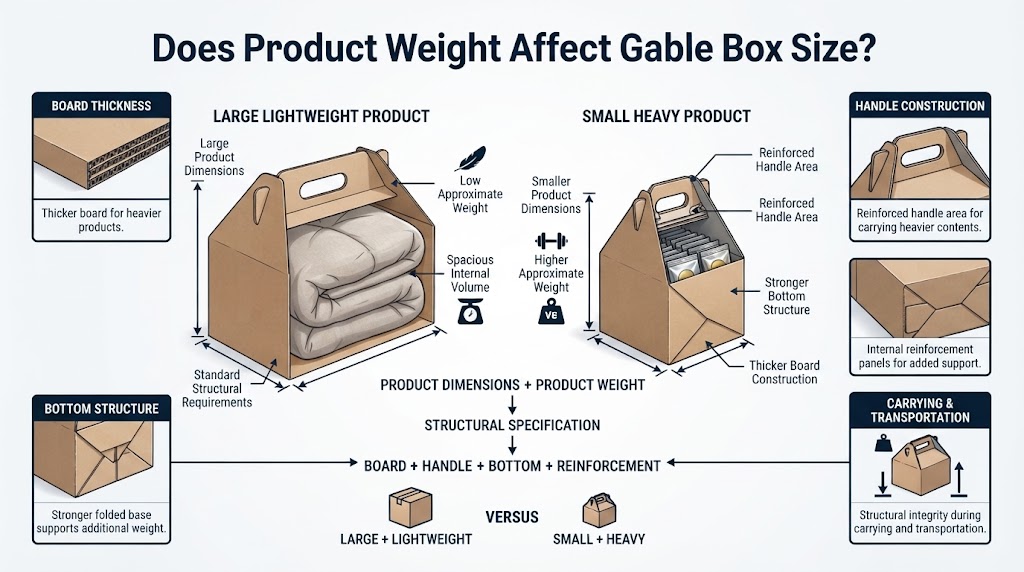
A large lightweight product and a small heavy product can require completely different structural specifications.
Weight can influence:
- Board thickness
- Handle construction
- Bottom structure
- Reinforcement requirements
- Carrying comfort
- Transportation performance
Therefore, a supplier should know both the product dimensions and approximate packaged weight when recommending a custom structure.
Size Selection by Common Application
| Application | Recommended Starting Format | Key Consideration |
| Wedding favors | Mini or small | Compact presentation |
| Small sweets | Mini or small | Product protection |
| Bakery portions | Small or medium | Food-contact requirements |
| Gift sets | Medium or large | Product + presentation space |
| Takeaway meals | Small to medium | Weight and moisture |
| Retail products | Small to medium | Product fit and branding |
| Corporate gift sets | Medium to large | Multiple-item capacity |
| Promotional kits | Medium to large | Product combination |
| Large product bundles | Large/custom | Structural strength |
These are starting points rather than universal size recommendations. The final dimensions should be based on the actual product.
A Simple Gable Box Size Selection Process
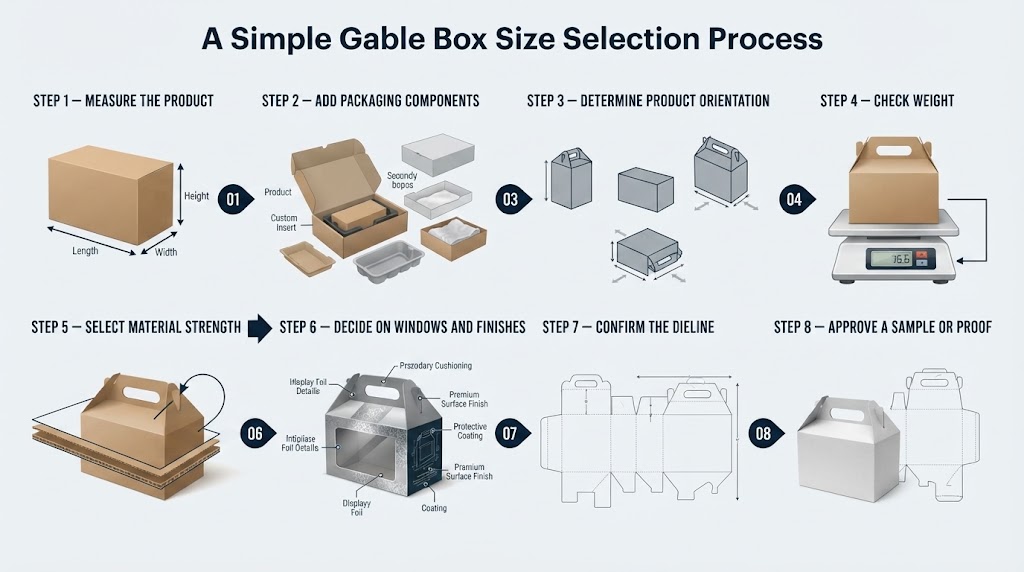
Use this process before placing a packaging order:
Step 1: Measure the Product
Record the maximum length, width, and height.
Step 2: Add Packaging Components
Account for inserts, trays, protective materials, tissue, or secondary packaging.
Step 3: Determine Product Orientation
Decide whether the product will stand vertically, lie flat, or require a specific orientation.
Step 4: Check Weight
Determine the approximate total packaged weight.
Step 5: Select Material Strength
Choose a suitable board based on the product weight and expected handling conditions.
Step 6: Decide on Windows and Finishes
If a display window, foil, coating, or other feature is required, incorporate it into the structural design.
Step 7: Confirm the Dieline
A packaging dieline should confirm the final panels, folds, handle, closure, and dimensions before production.
Step 8: Approve a Sample or Proof
For important packaging projects, reviewing a sample or structural proof can help identify sizing problems before bulk manufacturing.
Common Mistakes When Choosing Gable Box Sizes
Choosing Based Only on Product Height
A product may fit vertically but still be too wide or deep for the package.
Ignoring the Handle
The box needs sufficient structural strength around the handle, particularly when carrying heavier products.
Forgetting Inserts
An insert can significantly reduce the usable internal space.
Using Oversized Packaging
Excess space can increase movement, material use, and shipping volume.
Selecting Thickness After the Size
Material strength should be considered during structural design, not as an afterthought.
Not Testing the Actual Product
Measurements are important, but a physical sample can reveal practical fit and handling issues that dimensions alone may not show.
Frequently Asked Questions About Gable Box Sizes
What are the standard gable box sizes?
There is no single universal standard size because gable boxes are manufactured for different products and applications. Common formats range from mini and small boxes to medium and large designs, with custom dimensions available for specific products.
How do I know what size gable box I need?
Measure the product’s length, width, and height, then account for inserts, protective materials, and the required product clearance. Also consider the product’s weight and how the finished box will be carried.
Are mini gable boxes suitable for gifts?
Yes. Mini gable boxes can work well for small gifts, party favors, wedding favors, sweets, samples, and promotional items.
Can gable boxes be made in custom sizes?
Yes. Custom sizing allows the box structure to be designed around the product rather than relying on a generic dimension.
Does a larger gable box need thicker material?
Not necessarily, but larger dimensions can increase structural demands, particularly when the box holds heavier products. Material thickness should be selected according to the box dimensions, product weight, handle requirements, and intended use.
Should the product fit tightly inside a gable box?
The product should have a secure, practical fit rather than being tightly compressed. The required clearance depends on the product type, fragility, inserts, and presentation requirements.
Conclusion
The right gable box size should balance product fit, structural performance, presentation, and carrying convenience. Small and mini formats are useful for favors, samples, sweets, and compact products, while medium and large formats provide greater capacity for gift sets, bakery assortments, takeaway orders, retail products, and promotional packages.
When standard dimensions do not provide the right fit, custom gable box sizes allow the structure to be developed around the product. By considering dimensions, capacity, weight, material thickness, handle construction, inserts, and intended use together, businesses can select packaging that performs well while maintaining a professional presentation.
Explore Custom Gable Boxes for product-specific dimensions, materials, printing, and structural customization.